Description

PHOTINIA x FRASERI ‘HERSHEY RED’
If you’re tired of the same old evergreen hedges that fade to dull green by midsummer, meet Hershey Red—the shrub that doesn’t just sit there looking boring. This is a photinia that actually earns its place in your garden with year-round color that ranges from brilliant burgundy-red in spring to deep wine tones in winter, with hints of emerald green peeking through when the light hits just right. It’s the kind of plant that makes people stop and ask, “What is that gorgeous thing?”
What it looks like
Hershey Red is a semi-evergreen to evergreen shrub with a naturally upright, columnar form that’s perfect if you want some height without sprawl. The foliage is the real showstopper—new growth emerges in that stunning deep red color that gives the plant its name, gradually maturing to a burgundy-tinged green as the season progresses. Come autumn and winter, temperatures trigger another color shift, and you’ll see the foliage deepen to rich wine and bronze tones that practically glow against Connecticut’s grey winter skies. The leaves are glossy and somewhat leathery, giving the plant a polished, sophisticated appearance even in the off-season.
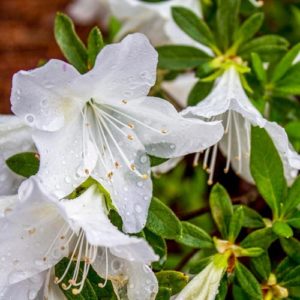
In late spring, small white flowers appear among the foliage—they’re not dramatically showy, but they’re sweetly fragrant and attract pollinators, adding functional beauty to the mix.
Growing it in your garden
Here’s what makes Hershey Red such a winner in New England gardens: it’s tougher than it looks. While photinias have a reputation for being finicky, this particular cultivar has been bred for better cold hardiness and disease resistance than its cousins. That said, it does want full sun—at least six hours daily—to develop that signature red color. In partial shade, you’ll still get a nice plant, but it’ll lean more toward green with burgundy undertones rather than that showstopping ruby tone.
Plant it in well-draining soil with a pH slightly on the acidic side. Unlike some shrubs that are indifferent to soil quality, Hershey Red appreciates soil that’s been amended with compost or peat moss. Connecticut’s clay-heavy soil? Amend it. Sandy soil? Add organic matter. The better you prep the planting hole, the faster this shrub establishes and rewards you with color.
Through the seasons
Spring is when Hershey Red puts on its most dramatic show. New growth emerges in that intense red that lasts for weeks, creating a stunning display when everything else in Connecticut is still in soft greens and pastels. By early summer, the foliage settles into a burgundy-tinged green that provides reliable color contrast without being overwhelming. Late summer and fall bring another subtle shift as shorter days and cooler nights deepen the wine tones in the foliage.
In winter, when much of your garden has faded to brown and grey, Hershey Red remains a beacon of color. The foliage deepens to bronze and burgundy, and if you site it where winter sun can backlight it, you’ll see incredible depth and dimension in the color palette.
Where it shines
This is your plant for creating living screens and formal hedges that actually look interesting twelve months a year. Use it as a backdrop for lighter-colored plants, as an accent in mixed borders, or plant multiples as a privacy screen along a property line. It’s also stunning in containers—the upright form and jewel-tone color make it a sophisticated choice for framing entryways or creating focal points on patios.
Hershey Red works beautifully in contemporary gardens, cottage borders, and anywhere you want year-round color without relying on seasonal bloomers. In Connecticut gardens, it’s especially valuable in winter when so much else has retreated.
Perfect companions
Plant Hershey Red with silver or grey-foliaged plants like artemisia or dusty miller to make its red tones pop even more dramatically. Pair it with white-blooming plants like oakleaf hydrangea or white-flowering shrub roses for sophisticated contrast. For winter interest, combine it with golden threadleaf cypress or yellow-twig dogwood to create a jewel-box planting that’s stunning in the coldest months.
Care tips
Water regularly during the first growing season to establish a strong root system. Once established, Hershey Red is moderately drought-tolerant, though it appreciates consistent moisture during hot, dry Connecticut summers. Prune in late winter or early spring to maintain shape and encourage fresh red growth. Light pruning throughout the growing season helps maintain density. Watch for leaf spot diseases in very wet years—ensure good air circulation to minimize risk.
Quick facts
- Hardiness Zone: 7-10 (performs reliably in Connecticut with good siting)
- Mature Height & Spread: 10-12 feet tall, 4-6 feet wide
- Bloom Season: Late spring (white, fragrant flowers)
- Light Requirements: Full sun (6+ hours for best color)
- Water Needs: Moderate; prefers consistent moisture but tolerates some drought once established
- Available at: Both our retail and wholesale locations