ROSA SPP.

Here’s the honest truth about everblooming roses: they’re not actually ever-blooming, but they come pretty darn close. While their heirloom cousins give you one glorious flush of flowers and call it a season, these roses keep the show running from late spring straight through to the first hard frost. In a Connecticut garden, that means months of color when you need it most—those long stretches between spring bulbs and fall mums when the garden can feel a little quiet.

What it looks like

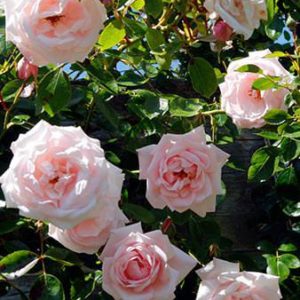
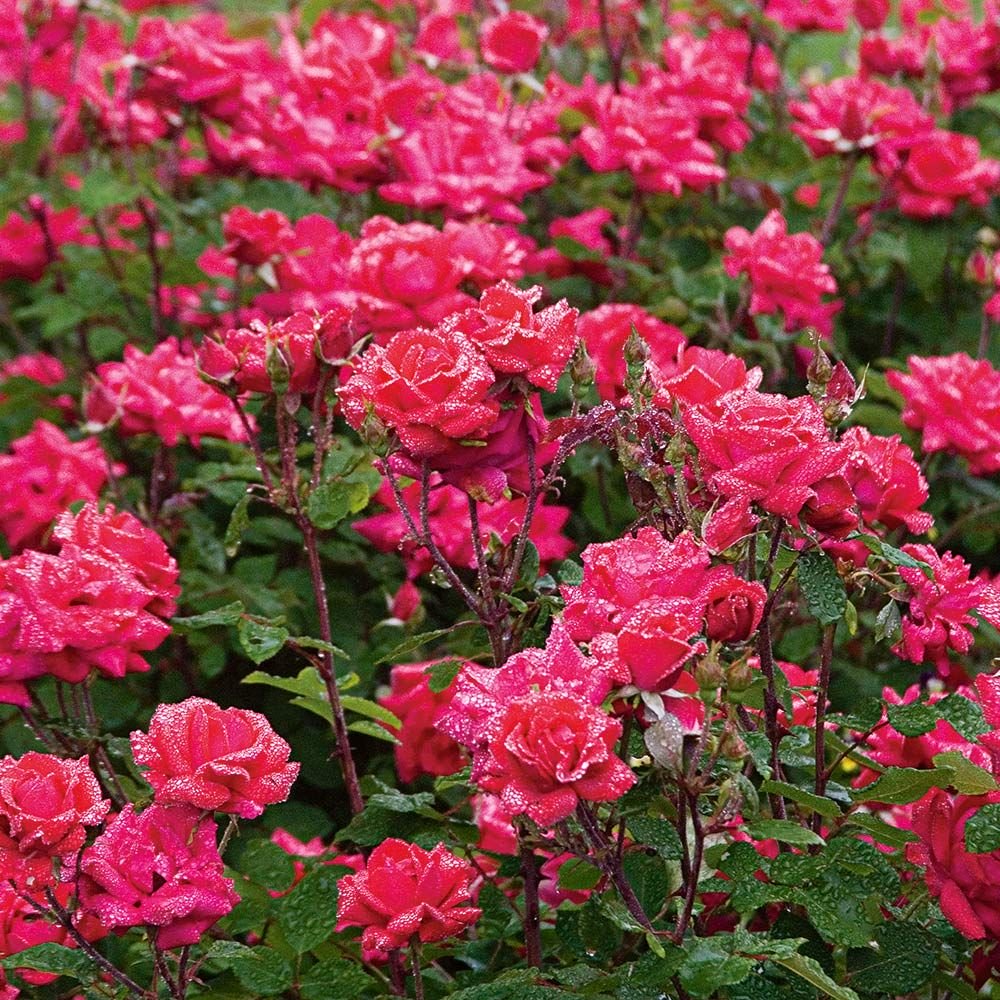
Everblooming roses come in a staggering range of forms and colors, which is partly why gardeners keep coming back for more. You might choose a classic hybrid tea with perfectly spiraled petals in deep crimson, a cheerful floribunda cluster variety in coral-pink that looks good even when wet, or a landscape rose so covered in blooms you can barely see the foliage. Most grow as upright shrubs ranging from 3 to 6 feet tall, depending on the variety, with dark green or blue-toned foliage that often flushes purple-red when it’s young. Many modern varieties have been bred for disease resistance, meaning you get fewer black spots and powdery mildew issues—a real blessing in our humid New England springs.

Growing it in your garden

Roses have a reputation for being fussy, but everblooming varieties are significantly more forgiving than their ancestors. They’re not going to thrive in deep shade, but they’ll surprise you with how well they perform in 4-6 hours of direct sun, which is plenty for Connecticut conditions. The real secret to success is soil: roses want it rich, well-draining, and slightly acidic. If your garden is heavy clay (and let’s be honest, much of Connecticut is), amend generously with compost before planting. Space them so air can circulate around the foliage—this is your best defense against the fungal issues that love our humid growing season.

Through the seasons

Spring arrives with tender new growth, sometimes tinged with burgundy, and the first buds forming by late May. Through the heat of summer, everblooming varieties just keep producing—deadhead spent blooms and you’ll encourage even more flowers. Unlike many shrubs, roses don’t need you to decide which flowers to remove; just snip off the faded ones and the plant puts all its energy into new buds. Fall brings a second wind when cooler nights intensify the color in the petals. By November, after the first frost, cut the canes back moderately and mulch well to protect the base through Connecticut winters. Zone 5 varieties are hardy enough to come back reliably year after year.

Where it shines

Plant everblooming roses where you’ll see them: along the pathway to your front door, in a mixed border where their flowers provide continuity through the seasons, or massed together for impact in a dedicated rose garden. They’re especially valuable in front of evergreen shrubs, where the dark foliage makes the bloom colors pop. Many varieties work beautifully in containers if your garden space is limited—just ensure excellent drainage and consistent watering during hot spells. In a cutting garden, they’re absolute MVPs; a single established plant can provide dozens of flowers for arrangements throughout the season.

Perfect companions

Underplant everblooming roses with lavender or catmint to soften their formal structure and add complementary colors. Ornamental grasses like PANICUM or CALAMAGROSTIS dance gracefully around them without competing for light. For a classic combination, pair red or pink roses with silvery ARTEMISIA foliage plants. Climbing varieties work wonderfully trained against a fence or pergola, where you can combine them with CLEMATIS for season-long color. Even humble sedums and coreopsis make good partners, filling in around the base and extending visual interest into winter.

Care tips

Water at the soil level early in the morning rather than overhead—this reduces fungal problems in our moisture-prone climate. Feed monthly during the growing season with a balanced fertilizer or a rose-specific formula if you prefer. Deadheading is your secret weapon; removing spent blooms every few days encourages continuous flowering. In late winter before growth begins, prune out any dead or diseased canes and shape the plant to an open vase form that lets light and air penetrate. Most everblooming varieties are low-maintenance enough for busy gardeners, though you’ll need to watch for the occasional aphid in spring and rose rosette virus is something to be aware of, though resistant varieties have made this less common.

Quick facts

  • Hardiness Zone: 5-9 (varies by variety; we stock Zone 5 hardy types)
  • Mature Height & Spread: 3-6 feet tall and wide depending on variety
  • Bloom Season: Late May through first frost
  • Light Requirements: Full sun (6+ hours); tolerates 4-6 hours in New England conditions
  • Water Needs: Moderate; deep watering weekly, more in hot spells
  • Available at: Both our retail and wholesale locations
Everblooming Rose

Category:

Beautiful roses with good resistance to black spot. Prolific fragrant- flowers lead way to wonderful red rose hips.

Zoning: 4-9
Mature Height and Spread: 3’

Description

ROSA SPP.

Here’s the honest truth about everblooming roses: they’re not actually ever-blooming, but they come pretty darn close. While their heirloom cousins give you one glorious flush of flowers and call it a season, these roses keep the show running from late spring straight through to the first hard frost. In a Connecticut garden, that means months of color when you need it most—those long stretches between spring bulbs and fall mums when the garden can feel a little quiet.

What it looks like

Everblooming roses come in a staggering range of forms and colors, which is partly why gardeners keep coming back for more. You might choose a classic hybrid tea with perfectly spiraled petals in deep crimson, a cheerful floribunda cluster variety in coral-pink that looks good even when wet, or a landscape rose so covered in blooms you can barely see the foliage. Most grow as upright shrubs ranging from 3 to 6 feet tall, depending on the variety, with dark green or blue-toned foliage that often flushes purple-red when it’s young. Many modern varieties have been bred for disease resistance, meaning you get fewer black spots and powdery mildew issues—a real blessing in our humid New England springs.

Growing it in your garden

Roses have a reputation for being fussy, but everblooming varieties are significantly more forgiving than their ancestors. They’re not going to thrive in deep shade, but they’ll surprise you with how well they perform in 4-6 hours of direct sun, which is plenty for Connecticut conditions. The real secret to success is soil: roses want it rich, well-draining, and slightly acidic. If your garden is heavy clay (and let’s be honest, much of Connecticut is), amend generously with compost before planting. Space them so air can circulate around the foliage—this is your best defense against the fungal issues that love our humid growing season.

Through the seasons

Spring arrives with tender new growth, sometimes tinged with burgundy, and the first buds forming by late May. Through the heat of summer, everblooming varieties just keep producing—deadhead spent blooms and you’ll encourage even more flowers. Unlike many shrubs, roses don’t need you to decide which flowers to remove; just snip off the faded ones and the plant puts all its energy into new buds. Fall brings a second wind when cooler nights intensify the color in the petals. By November, after the first frost, cut the canes back moderately and mulch well to protect the base through Connecticut winters. Zone 5 varieties are hardy enough to come back reliably year after year.

Where it shines

Plant everblooming roses where you’ll see them: along the pathway to your front door, in a mixed border where their flowers provide continuity through the seasons, or massed together for impact in a dedicated rose garden. They’re especially valuable in front of evergreen shrubs, where the dark foliage makes the bloom colors pop. Many varieties work beautifully in containers if your garden space is limited—just ensure excellent drainage and consistent watering during hot spells. In a cutting garden, they’re absolute MVPs; a single established plant can provide dozens of flowers for arrangements throughout the season.

Perfect companions

Underplant everblooming roses with lavender or catmint to soften their formal structure and add complementary colors. Ornamental grasses like PANICUM or CALAMAGROSTIS dance gracefully around them without competing for light. For a classic combination, pair red or pink roses with silvery ARTEMISIA foliage plants. Climbing varieties work wonderfully trained against a fence or pergola, where you can combine them with CLEMATIS for season-long color. Even humble sedums and coreopsis make good partners, filling in around the base and extending visual interest into winter.

Care tips

Water at the soil level early in the morning rather than overhead—this reduces fungal problems in our moisture-prone climate. Feed monthly during the growing season with a balanced fertilizer or a rose-specific formula if you prefer. Deadheading is your secret weapon; removing spent blooms every few days encourages continuous flowering. In late winter before growth begins, prune out any dead or diseased canes and shape the plant to an open vase form that lets light and air penetrate. Most everblooming varieties are low-maintenance enough for busy gardeners, though you’ll need to watch for the occasional aphid in spring and rose rosette virus is something to be aware of, though resistant varieties have made this less common.

Quick facts

  • Hardiness Zone: 5-9 (varies by variety; we stock Zone 5 hardy types)
  • Mature Height & Spread: 3-6 feet tall and wide depending on variety
  • Bloom Season: Late May through first frost
  • Light Requirements: Full sun (6+ hours); tolerates 4-6 hours in New England conditions
  • Water Needs: Moderate; deep watering weekly, more in hot spells
  • Available at: Both our retail and wholesale locations