Climbing Rose

ROSA SPECIES AND HYBRIDS (CLIMBING VARIETIES)

When people talk about romance in the garden, they’re usually picturing a climbing rose. There’s something almost impossible about them—these vigorous vines that burst into waves of blooms, transforming bare walls and tired fences into something from a storybook. But here’s what makes them special in a Connecticut garden: they’re not just beautiful. They’re architectural. They frame views, create privacy, add dimension to your landscape, and still deliver those intoxicating fragrant flowers year after year. A mature climbing rose doesn’t just sit in your garden. It becomes part of your home’s personality.

What it looks like

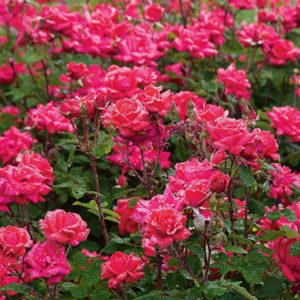
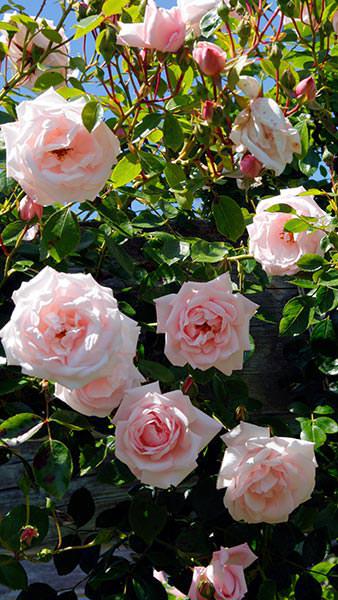
Climbing roses vary dramatically depending on the variety you choose, but they share one essential feature: long, flexible canes that want to grow horizontally more than vertically. This is what makes them climbers rather than shrubs. The canes are often thorny (sometimes generously so), clothed in attractive foliage that ranges from glossy deep green to softer, grayish tones. The flowers are where the real magic happens. You might choose a David Austin rose with quartered, romantic blooms in cream or blush pink. You might prefer a classic hybrid tea climber with large, perfectly formed flowers in red or apricot. Or you might go for a vigorous rambler that produces hundreds of smaller blooms in clusters—the kind that completely engulfs an arbor in a single flush of color. Most modern varieties have been bred for better disease resistance and longer bloom seasons, which matters tremendously in our humid New England summers.

Growing it in your garden

The secret to success with climbing roses isn’t complicated, but it does require understanding how they grow. These plants need support—a sturdy arbor, fence, wall-mounted trellis, or pergola. Flimsy structures will bow under their weight once established. Unlike some climbing vines, roses don’t cling on their own; their canes need to be tied to the support structure as they grow, which gives you beautiful control over their shape. They appreciate good air circulation, which helps prevent the fungal diseases that thrive in Connecticut’s humid climate. Plant them in rich, well-draining soil amended with compost. A south or east-facing location is ideal—they want sunshine to fuel all those blooms, typically needing at least six hours of direct light daily. In our zone 6 to 7 climate, they’re completely winter-hardy, though the exact survival of the canes depends on variety and microclimate.

Through the seasons

Spring is when the magic begins. As temperatures warm, your climbing rose leafs out with fresh green growth, and buds begin forming along the canes. Early summer brings the first flush of blooms—often the most abundant display of the season. Depending on variety, you might get repeat blooms throughout summer and into fall, or one spectacular show that lasts several weeks. Summer is also when you’ll do most of your pruning and training, tying new growth to encourage the form you want. Fall color is usually subtle—perhaps a deepening of the foliage—but the plant remains ornamental. Winter exposes the structure of the canes against walls and fences, which is actually quite beautiful, especially on a frost-covered morning.

Where it shines

Climbing roses transform vertical surfaces. They soften hard architectural lines on houses, create romantic backdrops for seating areas, frame entryways, and turn utilitarian structures into garden features. They’re stunning trained over pergolas where their fragrance drifts down toward paths below. Some varieties work beautifully as focal points in smaller spaces—a single climber on a carefully placed trellis can anchor an entire garden design. They’re also excellent for creating privacy screens on property lines where you want something more elegant than a hedge.

Perfect companions

Clematis vines are natural companions for climbing roses—plant them to grow through the same support structure for an extended bloom season and contrasting flower forms. At the base, try catmint (NEPETA), salvias, or sedums to add texture and extend color. Shade-loving perennials like hellebores and hardy geraniums fill space beneath where roses naturally leaf out higher. Ornamental grasses add movement and elegance without competing for the rose’s spotlight.

Care tips

Water deeply and consistently during establishment and dry periods; mature plants are fairly drought-tolerant. Mulch around the base to retain moisture and keep roots cool. Prune after blooming to shape and remove dead canes—this timing works well for Connecticut’s growing season. Watch for powdery mildew and blackspot in humid conditions; good air circulation and prompt removal of affected foliage help significantly. In late fall, tie back any extremely long canes that might whip in winter winds. A balanced fertilizer in spring supports vigorous growth.

Quick facts

  • Hardiness Zone: 4-9, depending on variety
  • Mature Height & Spread: 8-20 feet tall and 4-6 feet wide (varies by selection and training)
  • Bloom Season: Late spring through summer; many varieties are repeat bloomers
  • Light Requirements: Full sun (6+ hours direct light daily)
  • Water Needs: Regular watering during establishment; moderate once mature
  • Available at: Both our retail and wholesale locations
Climbing Rose

Category:

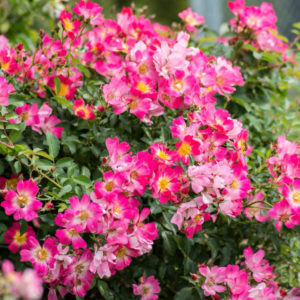
This outstanding classic is the standard of all repeat-flowering climbers. Blooms are fragrant, with glossy, dark green foliage, very long bloom season. Climbing 8-20’ x 10’ wide

Pot Size (gallons), Height: #10

Description

Climbing Rose

ROSA SPECIES AND HYBRIDS (CLIMBING VARIETIES)

When people talk about romance in the garden, they’re usually picturing a climbing rose. There’s something almost impossible about them—these vigorous vines that burst into waves of blooms, transforming bare walls and tired fences into something from a storybook. But here’s what makes them special in a Connecticut garden: they’re not just beautiful. They’re architectural. They frame views, create privacy, add dimension to your landscape, and still deliver those intoxicating fragrant flowers year after year. A mature climbing rose doesn’t just sit in your garden. It becomes part of your home’s personality.

What it looks like

Climbing roses vary dramatically depending on the variety you choose, but they share one essential feature: long, flexible canes that want to grow horizontally more than vertically. This is what makes them climbers rather than shrubs. The canes are often thorny (sometimes generously so), clothed in attractive foliage that ranges from glossy deep green to softer, grayish tones. The flowers are where the real magic happens. You might choose a David Austin rose with quartered, romantic blooms in cream or blush pink. You might prefer a classic hybrid tea climber with large, perfectly formed flowers in red or apricot. Or you might go for a vigorous rambler that produces hundreds of smaller blooms in clusters—the kind that completely engulfs an arbor in a single flush of color. Most modern varieties have been bred for better disease resistance and longer bloom seasons, which matters tremendously in our humid New England summers.

Growing it in your garden

The secret to success with climbing roses isn’t complicated, but it does require understanding how they grow. These plants need support—a sturdy arbor, fence, wall-mounted trellis, or pergola. Flimsy structures will bow under their weight once established. Unlike some climbing vines, roses don’t cling on their own; their canes need to be tied to the support structure as they grow, which gives you beautiful control over their shape. They appreciate good air circulation, which helps prevent the fungal diseases that thrive in Connecticut’s humid climate. Plant them in rich, well-draining soil amended with compost. A south or east-facing location is ideal—they want sunshine to fuel all those blooms, typically needing at least six hours of direct light daily. In our zone 6 to 7 climate, they’re completely winter-hardy, though the exact survival of the canes depends on variety and microclimate.

Through the seasons

Spring is when the magic begins. As temperatures warm, your climbing rose leafs out with fresh green growth, and buds begin forming along the canes. Early summer brings the first flush of blooms—often the most abundant display of the season. Depending on variety, you might get repeat blooms throughout summer and into fall, or one spectacular show that lasts several weeks. Summer is also when you’ll do most of your pruning and training, tying new growth to encourage the form you want. Fall color is usually subtle—perhaps a deepening of the foliage—but the plant remains ornamental. Winter exposes the structure of the canes against walls and fences, which is actually quite beautiful, especially on a frost-covered morning.

Where it shines

Climbing roses transform vertical surfaces. They soften hard architectural lines on houses, create romantic backdrops for seating areas, frame entryways, and turn utilitarian structures into garden features. They’re stunning trained over pergolas where their fragrance drifts down toward paths below. Some varieties work beautifully as focal points in smaller spaces—a single climber on a carefully placed trellis can anchor an entire garden design. They’re also excellent for creating privacy screens on property lines where you want something more elegant than a hedge.

Perfect companions

Clematis vines are natural companions for climbing roses—plant them to grow through the same support structure for an extended bloom season and contrasting flower forms. At the base, try catmint (NEPETA), salvias, or sedums to add texture and extend color. Shade-loving perennials like hellebores and hardy geraniums fill space beneath where roses naturally leaf out higher. Ornamental grasses add movement and elegance without competing for the rose’s spotlight.

Care tips

Water deeply and consistently during establishment and dry periods; mature plants are fairly drought-tolerant. Mulch around the base to retain moisture and keep roots cool. Prune after blooming to shape and remove dead canes—this timing works well for Connecticut’s growing season. Watch for powdery mildew and blackspot in humid conditions; good air circulation and prompt removal of affected foliage help significantly. In late fall, tie back any extremely long canes that might whip in winter winds. A balanced fertilizer in spring supports vigorous growth.

Quick facts

  • Hardiness Zone: 4-9, depending on variety
  • Mature Height & Spread: 8-20 feet tall and 4-6 feet wide (varies by selection and training)
  • Bloom Season: Late spring through summer; many varieties are repeat bloomers
  • Light Requirements: Full sun (6+ hours direct light daily)
  • Water Needs: Regular watering during establishment; moderate once mature
  • Available at: Both our retail and wholesale locations