If you’re looking to make a real statement in your Connecticut garden, the Legacy Sugar Maple (ACER SACCHARUM ‘LEGACY’) is an absolute showstopper. This isn’t just any sugar maple—it’s a carefully selected cultivar that brings all the best qualities of our beloved native tree while offering superior disease resistance and consistent, stunning fall color year after year. Whether you’re a longtime New England gardener or just discovering the magic of sugar maples, this tree is going to become your favorite outdoor companion.

What it looks like

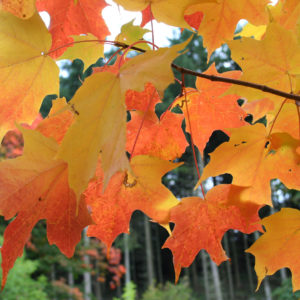
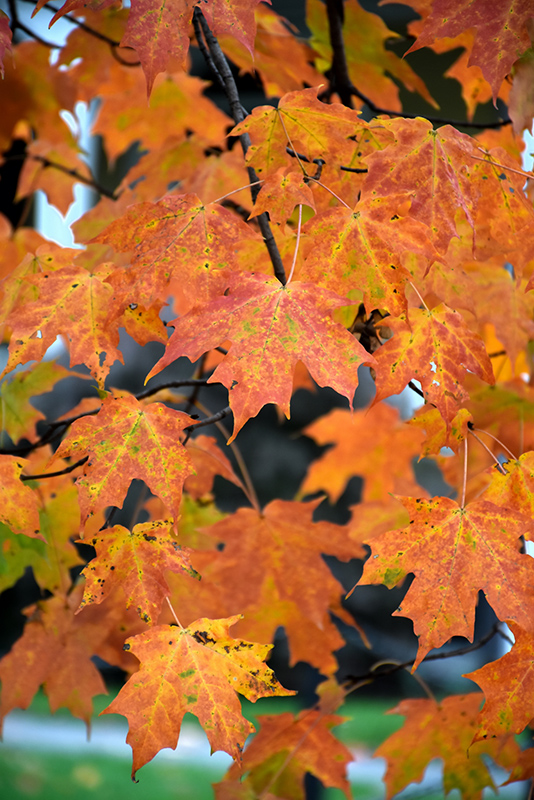
The Legacy Sugar Maple is a true beauty with a classic, symmetrical growth habit that practically screams “classic New England.” You’ll love its dense, rounded crown and deeply lobed leaves that are the iconic shape we all think of when someone mentions a maple tree. The foliage is a fresh, vibrant medium green throughout the growing season, providing that lush, substantial look that makes a tree feel like a real anchor in the landscape. But here’s where it gets really exciting—come autumn, this tree transforms into an absolute riot of color. We’re talking brilliant reds, oranges, and golden yellows that seem to light up from within. The color transformation typically lasts longer than many other maples, which means you get to enjoy those peak fall colors for an extended period. Even the bark has character, with a smooth, gray texture when young that develops more character and detail as the tree matures.

Growing it in your garden

The wonderful news about the Legacy Sugar Maple is that it’s wonderfully well-adapted to our Connecticut growing conditions. This cultivar was specifically selected for superior performance, which means it handles our New England winters without flinching and typically shows better disease resistance than seedling sugar maples. It prefers full sun—and I mean good, solid sun exposure of at least six hours daily—to really develop that spectacular fall color we all crave. When it comes to soil, sugar maples are fairly particular, and this beauty is no exception. They love well-drained soil that’s slightly acidic to neutral, which is actually quite common in Connecticut gardens. If your soil tends toward alkaline, you might need to amend it a bit, but honestly, the tree is fairly forgiving as long as drainage is good. Avoid planting it in compacted or poorly-draining spots; these trees don’t appreciate wet feet.

Through the seasons

Spring arrives with fresh, emerging foliage that’s absolutely delightful—those new leaves often have a reddish tinge before greening up. By late spring and early summer, you’ve got a lush, full canopy providing wonderful shade for your garden beds and outdoor spaces. The tiny flowers that appear in spring are subtle and easy to miss, but they’re the precursor to the winged seeds (samaras) that will helicopter down in fall—kids absolutely love these! Summer is when the Legacy truly earns its keep as a shade tree, creating that cool, comfortable microclimate underneath its branches. Then comes fall, our favorite season here in Connecticut, and this tree absolutely steals the show with color that would make a Vermont postcard jealous. Winter shows off the tree’s strong branching structure and attractive gray bark, providing year-round interest even when the leaves have fallen.

Where it shines

The Legacy Sugar Maple is ideal as a specimen tree where it can be appreciated on all sides, but it’s also wonderful as part of a larger landscape scheme. It’s perfect for creating a shaded understory in larger properties, and it makes an excellent street tree if you have room. Many Connecticut gardeners love using sugar maples as focal points in their front yards—they’re substantial enough to anchor a property and beautiful enough to draw compliments from every passing neighbor. Because it’s native to New England, it supports our local wildlife beautifully, providing seeds for birds and squirrels, plus a wonderful habitat for insects and other creatures. It’s also a fantastic choice if you want to tap it for maple syrup—there’s something magical about making your own syrup from a tree in your own yard!

Perfect companions

The Legacy Sugar Maple is a bit of a landscape star that works well with many other plants. Underneath its canopy, shade-loving perennials like hellebores, woodland ferns, astilbes, and hostas thrive beautifully. Shade-tolerant shrubs like oakleaf hydrangeas and native azaleas make excellent companions. For a classic New England look, pair it with other native trees like white pines or birches. Spring bulbs like daffodils and trilliums naturalize wonderfully beneath the tree’s branches, creating a charming woodland floor. Avoid planting too densely underneath, though—sugar maples appreciate good air circulation.

Care tips

Young Legacy Sugar Maples benefit from regular watering during their first two to three growing seasons, especially during Connecticut’s occasionally dry summers. Once established, they’re quite drought-tolerant, though consistent moisture produces the best growth. Pruning should be minimal—these trees naturally develop a beautiful form. If you do need to prune, do it in late winter or early spring before growth begins, and never top or pollard these magnificent trees. Avoid wounding the bark and keep the area around the base of the tree clear of grass and weeds to reduce competition. Mulching with two to three inches of wood chips is helpful during establishment, but keep it away from the actual trunk. These trees don’t typically need fertilizing if planted in reasonable soil, and they’re quite disease-resistant compared to some maples, though you should still watch for pests like aphids or scale insects in our region.

Quick facts

  • Hardiness Zone: 3-8 (perfect for Connecticut!)
  • Mature Height & Spread: 50-60 feet tall, 40-50 feet wide
  • Bloom Season: Spring (inconspicuous flowers); Fall color September-November
  • Light Requirements: Full sun (6+ hours daily)
  • Water Needs: Regular watering when young; moderate once established; prefers consistent moisture
  • Available at: Both our retail and wholesale locations
Lagacy Sugar Maple

Category:

One of the best sugar maples, dense foliage is resistant to wind damage, spectacular fall colors; an ideal shade tree for the home landscape; adaptable to soils, but dislikes air pollution and compaction

Zoning: 4-8

Description

If you’re looking to make a real statement in your Connecticut garden, the Legacy Sugar Maple (ACER SACCHARUM ‘LEGACY’) is an absolute showstopper. This isn’t just any sugar maple—it’s a carefully selected cultivar that brings all the best qualities of our beloved native tree while offering superior disease resistance and consistent, stunning fall color year after year. Whether you’re a longtime New England gardener or just discovering the magic of sugar maples, this tree is going to become your favorite outdoor companion.

What it looks like

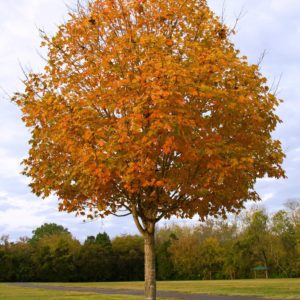
The Legacy Sugar Maple is a true beauty with a classic, symmetrical growth habit that practically screams “classic New England.” You’ll love its dense, rounded crown and deeply lobed leaves that are the iconic shape we all think of when someone mentions a maple tree. The foliage is a fresh, vibrant medium green throughout the growing season, providing that lush, substantial look that makes a tree feel like a real anchor in the landscape. But here’s where it gets really exciting—come autumn, this tree transforms into an absolute riot of color. We’re talking brilliant reds, oranges, and golden yellows that seem to light up from within. The color transformation typically lasts longer than many other maples, which means you get to enjoy those peak fall colors for an extended period. Even the bark has character, with a smooth, gray texture when young that develops more character and detail as the tree matures.

Growing it in your garden

The wonderful news about the Legacy Sugar Maple is that it’s wonderfully well-adapted to our Connecticut growing conditions. This cultivar was specifically selected for superior performance, which means it handles our New England winters without flinching and typically shows better disease resistance than seedling sugar maples. It prefers full sun—and I mean good, solid sun exposure of at least six hours daily—to really develop that spectacular fall color we all crave. When it comes to soil, sugar maples are fairly particular, and this beauty is no exception. They love well-drained soil that’s slightly acidic to neutral, which is actually quite common in Connecticut gardens. If your soil tends toward alkaline, you might need to amend it a bit, but honestly, the tree is fairly forgiving as long as drainage is good. Avoid planting it in compacted or poorly-draining spots; these trees don’t appreciate wet feet.

Through the seasons

Spring arrives with fresh, emerging foliage that’s absolutely delightful—those new leaves often have a reddish tinge before greening up. By late spring and early summer, you’ve got a lush, full canopy providing wonderful shade for your garden beds and outdoor spaces. The tiny flowers that appear in spring are subtle and easy to miss, but they’re the precursor to the winged seeds (samaras) that will helicopter down in fall—kids absolutely love these! Summer is when the Legacy truly earns its keep as a shade tree, creating that cool, comfortable microclimate underneath its branches. Then comes fall, our favorite season here in Connecticut, and this tree absolutely steals the show with color that would make a Vermont postcard jealous. Winter shows off the tree’s strong branching structure and attractive gray bark, providing year-round interest even when the leaves have fallen.

Where it shines

The Legacy Sugar Maple is ideal as a specimen tree where it can be appreciated on all sides, but it’s also wonderful as part of a larger landscape scheme. It’s perfect for creating a shaded understory in larger properties, and it makes an excellent street tree if you have room. Many Connecticut gardeners love using sugar maples as focal points in their front yards—they’re substantial enough to anchor a property and beautiful enough to draw compliments from every passing neighbor. Because it’s native to New England, it supports our local wildlife beautifully, providing seeds for birds and squirrels, plus a wonderful habitat for insects and other creatures. It’s also a fantastic choice if you want to tap it for maple syrup—there’s something magical about making your own syrup from a tree in your own yard!

Perfect companions

The Legacy Sugar Maple is a bit of a landscape star that works well with many other plants. Underneath its canopy, shade-loving perennials like hellebores, woodland ferns, astilbes, and hostas thrive beautifully. Shade-tolerant shrubs like oakleaf hydrangeas and native azaleas make excellent companions. For a classic New England look, pair it with other native trees like white pines or birches. Spring bulbs like daffodils and trilliums naturalize wonderfully beneath the tree’s branches, creating a charming woodland floor. Avoid planting too densely underneath, though—sugar maples appreciate good air circulation.

Care tips

Young Legacy Sugar Maples benefit from regular watering during their first two to three growing seasons, especially during Connecticut’s occasionally dry summers. Once established, they’re quite drought-tolerant, though consistent moisture produces the best growth. Pruning should be minimal—these trees naturally develop a beautiful form. If you do need to prune, do it in late winter or early spring before growth begins, and never top or pollard these magnificent trees. Avoid wounding the bark and keep the area around the base of the tree clear of grass and weeds to reduce competition. Mulching with two to three inches of wood chips is helpful during establishment, but keep it away from the actual trunk. These trees don’t typically need fertilizing if planted in reasonable soil, and they’re quite disease-resistant compared to some maples, though you should still watch for pests like aphids or scale insects in our region.

Quick facts

  • Hardiness Zone: 3-8 (perfect for Connecticut!)
  • Mature Height & Spread: 50-60 feet tall, 40-50 feet wide
  • Bloom Season: Spring (inconspicuous flowers); Fall color September-November
  • Light Requirements: Full sun (6+ hours daily)
  • Water Needs: Regular watering when young; moderate once established; prefers consistent moisture
  • Available at: Both our retail and wholesale locations