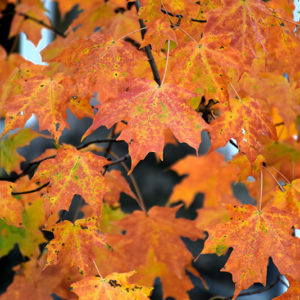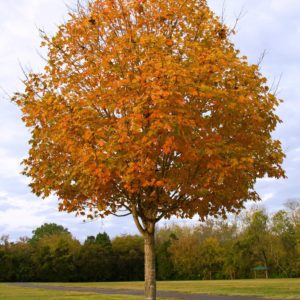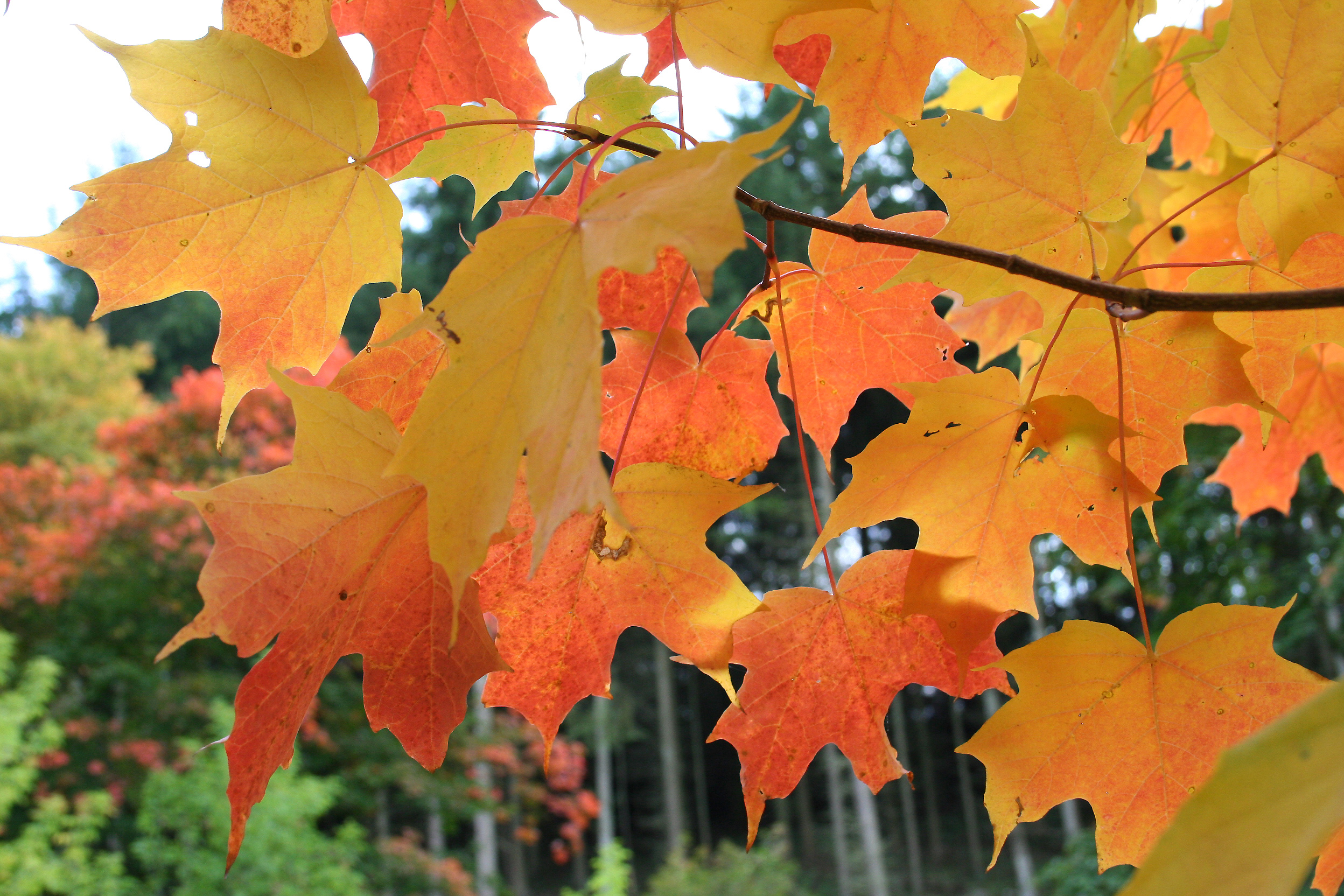
Description
ACER SACCHARUM
The Sugar Maple is Connecticut’s autumn champion, the tree that transforms our entire landscape into a blazing masterpiece every October. But here’s what makes this native truly special: it’s not just about those legendary scarlet leaves. Sugar Maples are the backbone of New England’s identity—they’re the trees that defined our region’s character long before we even knew to love them for it. Plant one now, and you’re not just adding a tree to your yard; you’re planting three centuries of tradition.
What it looks like
Imagine a tree with perfect proportions—symmetrical, stately, and composed. That’s the Sugar Maple. In spring, it leafs out in soft yellow-green, those delicate emerging leaves catching morning light like stained glass. By summer, the canopy deepens into a rich, dark green so dense it creates genuine shade beneath—the kind where you can actually sit comfortably in July. But October? That’s when the magic happens. The foliage transforms through shades of gold, orange, and deep crimson, often all on the same tree at once. The bark on mature specimens develops that distinctive furrowed, gray-brown character that adds interest even in winter.
Growing it in your garden
Sugar Maples are surprisingly accommodating trees, though they do have preferences. They love full sun to partial shade and perform beautifully throughout Connecticut’s growing zones. The key is soil—these trees prefer well-draining, slightly acidic conditions. If your soil tends toward alkaline, you can absolutely still grow one; it might just show some chlorosis (yellowing between the veins), but it’ll still thrive. They’re deep-rooted trees, so once established, they’re remarkably drought-tolerant, which makes them far lower-maintenance than many people assume. Plant in spring or fall, water regularly during that first growing season, and then mostly let nature do the work.
Through the seasons
Spring arrives with those tender yellow-green buds breaking into fresh foliage, followed by small flowers that are easy to miss but beloved by bees. Summer is about abundance—deep green shade, the gentle sound of wind through millions of leaves, and that peaceful sense of a fully mature canopy. Fall is the showstopper, obviously, but even after the leaves drop, Sugar Maples maintain architectural interest with their strong branching structure and textured bark. Winter reveals the tree’s true skeleton—beautiful in its own spare way. And if you’re lucky enough to have a cold snap followed by warm days, you might witness the lesser-known magic: Sugar Maples are the source of maple syrup, and on those late-winter days, the sap runs strong.
Where it shines
Sugar Maples are landscape stars, whether planted as specimen trees or grouped in groves. They’re exceptional for creating a legacy planting—something you’re establishing for future generations. They’re perfect as shade trees for the west or south side of your home, naturally cooling your house on those hot Connecticut summer days. They work beautifully in woodland edges, in naturalized settings, or as the anchor tree in a more formal landscape. Many of our customers plant them specifically to recreate that quintessential New England feeling—a Sugar Maple is practically synonymous with colonial homes, farmsteads, and the landscape of our regional identity.
Perfect companions
Underplant Sugar Maples with shade-tolerant perennials like hellebores, epimedium, or native Virginia bluebells. As the tree matures and shade deepens, hostas, ferns, and astilbes create a lush understory. Pair with other native trees—Birches, Ash, or Eastern Red Cedar—to create a woodland composition. In spring, before the canopy fully leafs out, daffodils and bloodroot create a beautiful understory show beneath young Maples.
Care tips
Sugar Maples are notably low-maintenance, but a few things help them thrive. Water regularly during establishment and through any drought periods. A layer of mulch around the base keeps roots cool and conserves moisture—but keep it a few inches away from the trunk to prevent rot. Pruning is minimal; do it in late winter when the tree is dormant, removing any crossed branches or weak growth. These trees are generally pest-resistant, though you may occasionally see aphids (which create sticky honeydew) or, rarely, scale insects. Most issues resolve themselves, especially once the tree is well-established.
Quick facts
- Hardiness Zone: Zones 3-8 (thrives throughout Connecticut)
- Mature Height & Spread: 60-75 feet tall, 40-50 feet wide
- Bloom Season: Spring (inconspicuous flowers); spectacular fall foliage
- Light Requirements: Full sun to partial shade
- Water Needs: Moderate; regular watering until established, then drought-tolerant
- Available at: Both our retail and wholesale locations