
Description

LINDERA BENZOIN
If you’ve been searching for something that handles wet soil, deep shade, and Connecticut winters without complaint—while also rewarding you with fragrant yellow flowers in early spring, brilliant fall color, and an entire ecosystem of wildlife support—Spicebush might be the answer you’ve been waiting for. This native Connecticut shrub doesn’t demand much but gives back generously, season after season, year after year.
What it looks like
Spicebush is the definition of elegant simplicity. It grows as a deciduous shrub with an airy, upright form and soft, medium-green leaves that emerge relatively late in spring. Those leaves are what give this plant its common name—crush one between your fingers and you’ll understand immediately. That spicy, citrusy fragrance is intoxicating, a little burst of autumn spice released right into your palm.
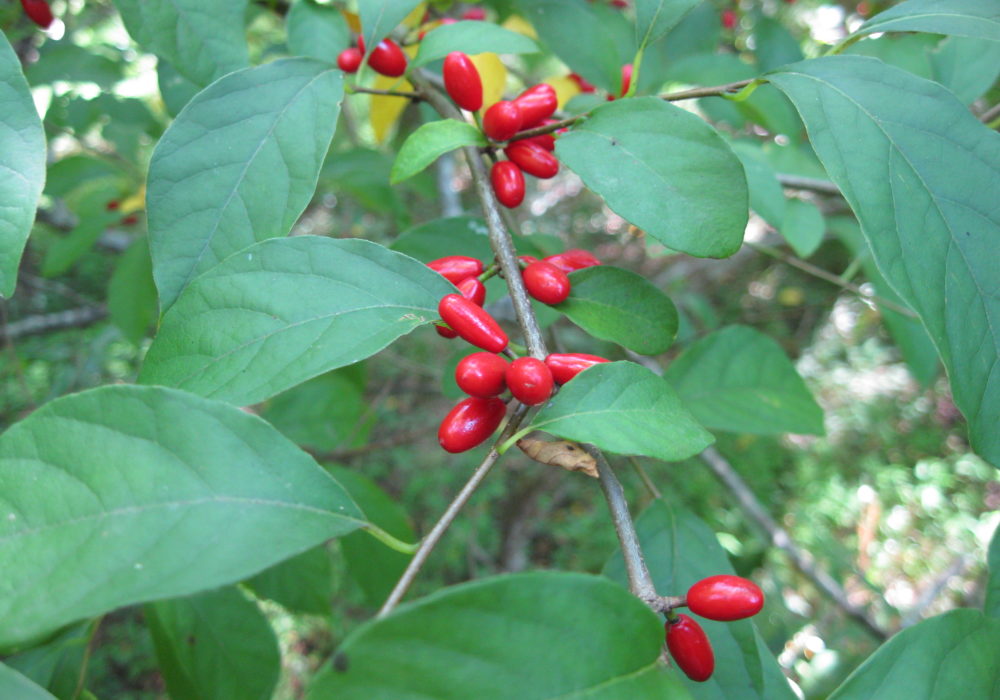
Long before the leaves arrive, though, tiny clusters of pale yellow flowers burst along the stems in very early spring—sometimes as early as March in Connecticut. They’re delicate and modest, but they’re a real celebration after winter. If you’re lucky enough to have both male and female plants, the females will produce brilliant red berries (turning dark red as they mature) that literally disappear when songbirds find them.
Growing it in your garden
Here’s where LINDERA BENZOIN truly shines: it’s one of the most adaptable native shrubs you can plant in New England. It thrives in the conditions that challenge other plants. Wet soil? Bring it on. Dense shade? Perfect. Clay, loam, sandy soil—LINDERA BENZOIN handles it all. It’s not fussy about pH either, tolerating both acidic and neutral soils with ease.
This is a plant that was made for Connecticut gardens. It evolved here, thrived here for thousands of years, and understands exactly what our growing season demands. Plant it and watch it settle in without the fussing and coddling that some ornamentals require.
Through the seasons
Spring arrives early with those cheerful yellow flowers—a genuine thrill when you spot them on the bare branches. It’s one of the first signs that winter is truly behind us. As spring progresses, soft leaves emerge and the shrub becomes an airy backdrop for other plantings.
Summer finds Spicebush playing a supporting role. It’s not showy, but it’s solid and dependable, providing structure and that wonderful spicy fragrance whenever you brush past it. If you planted a female cultivar, small red berries are developing, adding subtle color.
Autumn is when LINDERA BENZOIN takes a real bow. Those soft green leaves transform into warm shades of golden yellow and orange—nothing garish, but genuinely beautiful. The berries, if present, deepen to a rich dark red. Then the birds arrive, and those berries vanish in days or weeks.
Winter leaves it bare and sculptural, its fine branch structure visible against gray skies.
Where it shines
Spicebush excels in woodland settings and shade gardens where many other shrubs struggle. Plant it along the edges of tree lines, in the dappled shade beneath tall oaks or maples, or in the moister spots of your property that other plants avoid. It’s at home in naturalized gardens, cottage gardens, and even more formal landscapes where its restrained elegance works beautifully.
If you’re creating habitat for wildlife—particularly Swallowtail butterflies, which use Spicebush as a host plant—this is non-negotiable. The entire ecosystem loves it.
Perfect companions
In shade gardens, pair Spicebush with hostas, hellebores, and shade-loving ferns. Its airy structure plays beautifully against broad-leafed plants. Along moisture-loving borders, combine it with native Virginia sweetspire, arrowwood viburnum, and swamp azalea. In early spring gardens, plant it near hellebores and early woodland wildflowers that bloom while the Spicebush is flowering. Summer-blooming astilbes create a wonderful contrast to its shape and color.
Care tips
Plant LINDERA BENZOIN in spring and water regularly through the first growing season to establish a good root system. Once established, it’s remarkably low-maintenance. It doesn’t require pruning unless you want to shape it, and it has no significant pest or disease problems in Connecticut gardens. If you want those beautiful berries, plant at least one male and one female plant for cross-pollination. Mulching helps keep roots cool and moist, particularly if you’re planting in drier shade.
Quick facts
- Hardiness Zone: 4-9 (perfect for Connecticut)
- Mature Height & Spread: 6-12 feet tall and wide, depending on growing conditions
- Bloom Season: Early spring (March-April)
- Light Requirements: Part shade to full shade; tolerates sun but prefers afternoon shade
- Water Needs: Moderate to moist; excellent for wet soils
- Available at: Both our retail and wholesale locations