Nova Zembla

RHODODENDRON NOVA ZEMBLA (RHODODENDRON HYBRID ‘NOVA ZEMBLA’)

If you’ve been searching for a rhododendron tough enough to laugh at Connecticut winters, beautiful enough to steal the show in spring, and bold enough to handle the imperfect conditions most of us actually have in our gardens—stop looking. NOVA ZEMBLA is the plant that doesn’t compromise, and that’s exactly why it’s been a favorite among New England gardeners for decades.

What it looks like

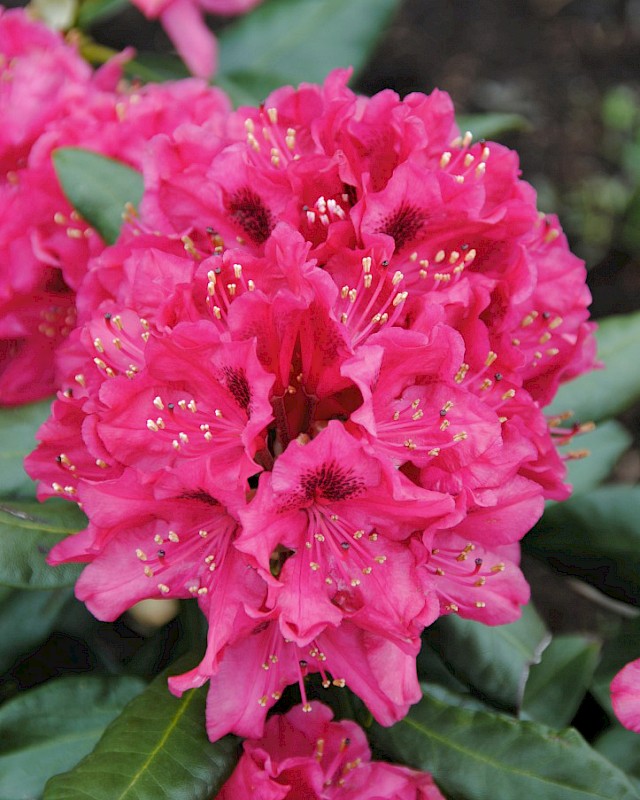
NOVA ZEMBLA is a stunning evergreen shrub with a naturally compact, mounded form that grows wider than it is tall. Its deep green foliage provides year-round structure and substance to your garden, but the real magic happens in late spring when it erupts with brilliant red flowers. These aren’t subtle blooms—we’re talking vibrant, unforgettable scarlet-red flowers clustered in dense trusses that practically glow against the glossy foliage. Each flower has that classic rhododendron character: slightly ruffled petals and a dark, speckled throat that draws the eye deeper into the bloom. The flowers last for weeks, making NOVA ZEMBLA one of the longest-performing rhododendrons in the spring garden.

Growing it in your garden

Here’s where NOVA ZEMBLA earns its reputation as a workhorse. This hybrid was specifically bred for cold climates, which means it’s incredibly winter-hardy—even in the harshest Connecticut winters. It doesn’t just survive; it thrives. The plant is remarkably forgiving about soil, tolerating the slightly alkaline or neutral soils that challenge many rhododendrons. That said, it still prefers the acidic, well-draining conditions that make all rhododendrons happy. If your soil leans toward neutral or slightly alkaline, don’t worry—NOVA ZEMBLA will perform better than almost any other rhododendron you could plant.

It prefers partial shade, especially afternoon shade during hot summers, but it’s more sun-tolerant than many rhododendron varieties. In Connecticut, a location with morning sun and afternoon shade, or dappled shade beneath tall trees, gives you the sweet spot. The plant needs consistent moisture during its growing season but absolutely must have well-draining soil—waterlogged conditions in winter are the enemy of any rhododendron.

Through the seasons

Spring is NOVA ZEMBLA’s moment of glory. Those spectacular red flowers appear in late May and into June, right when you need color after a long New England winter. They’re reliable bloomers too—unlike some rhododendrons that have biennial flowering patterns, NOVA ZEMBLA flowers consistently year after year.

Summer brings lush, deep green foliage that stays attractive through the heat, and the plant doesn’t look tired or faded like some evergreens can by August. Fall passes quietly, but that’s fine—the foliage deepens slightly and remains perfectly ornamental. Winter is where NOVA ZEMBLA really shows its mettle. While many rhododendrons struggle with frozen ground and harsh drying winds, NOVA ZEMBLA stands firm. The foliage may curl slightly in extreme cold, but this is completely normal and not a sign of damage—the plant unfurls beautifully once temperatures warm.

Where it shines

Plant NOVA ZEMBLA where its spring flowers can be a focal point—as an anchor plant in a mixed border, as a backdrop for shade-loving perennials, or grouped with other early-blooming shrubs for a layered spring show. It’s spectacular paired with white-flowering plants like PIERIS or DOUBLEFILE VIBURNUM, or with other rhododendrons in complementary colors.

It also works beautifully as a foundational planting near homes, especially on the north or east side where it gets morning light but afternoon protection. Many gardeners use it to create privacy screens or as part of a woodland garden aesthetic.

Perfect companions

NOVA ZEMBLA plays well with other acid-loving shrubs like azaleas (especially white or pink varieties for contrast), MOUNTAIN LAUREL, and LEUCOTHOE. Shade-loving perennials like hellebores, epimedium, and hosta thrive in the dappled shade beneath its canopy. For spring succession, combine it with CANADIAN HEMLOCK, NATIVE FERNS, and early spring bulbs like trillium and Solomon’s seal.

Care tips

Mulch with 2-3 inches of acidic material like pine bark or composted leaves—this keeps roots cool, maintains moisture, and gradually lowers soil pH. Avoid deep planting; rhododendrons have shallow, fibrous roots that should be just at or slightly above soil level. Prune spent flowers (deadhead) just after blooming, pinching between your fingers to remove the faded truss without damaging new growth buds below. Water deeply but infrequently rather than with shallow, frequent watering. In Connecticut’s typical growing conditions, natural rainfall usually supplies adequate moisture except during summer droughts.

Quick facts

  • Hardiness Zone: Zones 5-8
  • Mature Height & Spread: 4-5 feet tall and 5-6 feet wide
  • Bloom Season: Late May through June
  • Light Requirements: Partial shade; tolerates morning sun with afternoon shade
  • Water Needs: Consistent moisture; well-draining soil essential
  • Available at: Both our retail and wholesale locations
Nova Zembla

Category:

Flowers crimson-red in late May. Hardy evergreen with dark green foliage.

Zoning: 4-8
Mature Height and Spread: 6-8’

Description

Nova Zembla

RHODODENDRON NOVA ZEMBLA (RHODODENDRON HYBRID ‘NOVA ZEMBLA’)

If you’ve been searching for a rhododendron tough enough to laugh at Connecticut winters, beautiful enough to steal the show in spring, and bold enough to handle the imperfect conditions most of us actually have in our gardens—stop looking. NOVA ZEMBLA is the plant that doesn’t compromise, and that’s exactly why it’s been a favorite among New England gardeners for decades.

What it looks like

NOVA ZEMBLA is a stunning evergreen shrub with a naturally compact, mounded form that grows wider than it is tall. Its deep green foliage provides year-round structure and substance to your garden, but the real magic happens in late spring when it erupts with brilliant red flowers. These aren’t subtle blooms—we’re talking vibrant, unforgettable scarlet-red flowers clustered in dense trusses that practically glow against the glossy foliage. Each flower has that classic rhododendron character: slightly ruffled petals and a dark, speckled throat that draws the eye deeper into the bloom. The flowers last for weeks, making NOVA ZEMBLA one of the longest-performing rhododendrons in the spring garden.

Growing it in your garden

Here’s where NOVA ZEMBLA earns its reputation as a workhorse. This hybrid was specifically bred for cold climates, which means it’s incredibly winter-hardy—even in the harshest Connecticut winters. It doesn’t just survive; it thrives. The plant is remarkably forgiving about soil, tolerating the slightly alkaline or neutral soils that challenge many rhododendrons. That said, it still prefers the acidic, well-draining conditions that make all rhododendrons happy. If your soil leans toward neutral or slightly alkaline, don’t worry—NOVA ZEMBLA will perform better than almost any other rhododendron you could plant.

It prefers partial shade, especially afternoon shade during hot summers, but it’s more sun-tolerant than many rhododendron varieties. In Connecticut, a location with morning sun and afternoon shade, or dappled shade beneath tall trees, gives you the sweet spot. The plant needs consistent moisture during its growing season but absolutely must have well-draining soil—waterlogged conditions in winter are the enemy of any rhododendron.

Through the seasons

Spring is NOVA ZEMBLA’s moment of glory. Those spectacular red flowers appear in late May and into June, right when you need color after a long New England winter. They’re reliable bloomers too—unlike some rhododendrons that have biennial flowering patterns, NOVA ZEMBLA flowers consistently year after year.

Summer brings lush, deep green foliage that stays attractive through the heat, and the plant doesn’t look tired or faded like some evergreens can by August. Fall passes quietly, but that’s fine—the foliage deepens slightly and remains perfectly ornamental. Winter is where NOVA ZEMBLA really shows its mettle. While many rhododendrons struggle with frozen ground and harsh drying winds, NOVA ZEMBLA stands firm. The foliage may curl slightly in extreme cold, but this is completely normal and not a sign of damage—the plant unfurls beautifully once temperatures warm.

Where it shines

Plant NOVA ZEMBLA where its spring flowers can be a focal point—as an anchor plant in a mixed border, as a backdrop for shade-loving perennials, or grouped with other early-blooming shrubs for a layered spring show. It’s spectacular paired with white-flowering plants like PIERIS or DOUBLEFILE VIBURNUM, or with other rhododendrons in complementary colors.

It also works beautifully as a foundational planting near homes, especially on the north or east side where it gets morning light but afternoon protection. Many gardeners use it to create privacy screens or as part of a woodland garden aesthetic.

Perfect companions

NOVA ZEMBLA plays well with other acid-loving shrubs like azaleas (especially white or pink varieties for contrast), MOUNTAIN LAUREL, and LEUCOTHOE. Shade-loving perennials like hellebores, epimedium, and hosta thrive in the dappled shade beneath its canopy. For spring succession, combine it with CANADIAN HEMLOCK, NATIVE FERNS, and early spring bulbs like trillium and Solomon’s seal.

Care tips

Mulch with 2-3 inches of acidic material like pine bark or composted leaves—this keeps roots cool, maintains moisture, and gradually lowers soil pH. Avoid deep planting; rhododendrons have shallow, fibrous roots that should be just at or slightly above soil level. Prune spent flowers (deadhead) just after blooming, pinching between your fingers to remove the faded truss without damaging new growth buds below. Water deeply but infrequently rather than with shallow, frequent watering. In Connecticut’s typical growing conditions, natural rainfall usually supplies adequate moisture except during summer droughts.

Quick facts

  • Hardiness Zone: Zones 5-8
  • Mature Height & Spread: 4-5 feet tall and 5-6 feet wide
  • Bloom Season: Late May through June
  • Light Requirements: Partial shade; tolerates morning sun with afternoon shade
  • Water Needs: Consistent moisture; well-draining soil essential
  • Available at: Both our retail and wholesale locations