Description

RHODODENDRON ‘PJM’
If you’ve been searching for an evergreen that actually stays green through a Connecticut winter—not brown, not bronzed, but genuinely green—PJM Rhododendron might just be the answer you’ve been waiting for. This isn’t one of those fussy rhododendrons that demands perfect conditions and still looks miserable by February. PJM is the tough one. The reliable one. The one that shows up in your garden year after year, tough as nails but elegant as you’d expect from a rhododendron. It’s the plant for gardeners who want four-season interest without the drama.
What it looks like
PJM is a compact evergreen shrub with fine-textured, deep green foliage that takes on an absolutely gorgeous mahogany-purple cast when temperatures drop. This winter coloring is one of its signature traits—while other plants fade to dull shades, PJM deepens into wine-toned hues that look almost jewel-like against the snow. The foliage is dense and tidy, creating a naturally full shape without much pruning required.
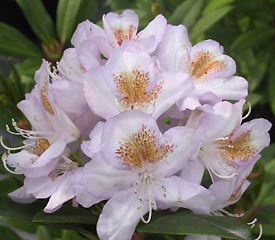
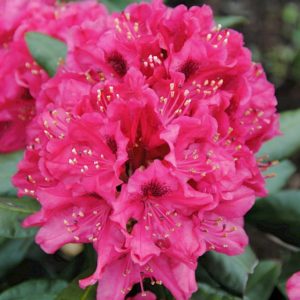
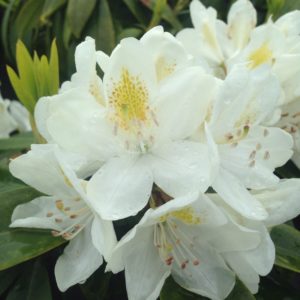
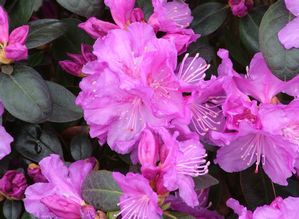
In spring, typically mid-April through early May in Connecticut, PJM erupts with funnel-shaped flowers in a soft, rosy-mauve color. They’re not flashy—they’re refined. The blooms cover the plant generously, creating an elegant display that complements rather than overwhelms the landscape. Each flower cluster sits prettily against the deep green and purple foliage, and if you take a moment to get close, you’ll notice they have a delicate, subtle fragrance.
Growing it in your garden
Here’s what makes PJM different from many of its rhododendron cousins: it’s actually cold-hardy. Really cold-hardy. This isn’t a plant that’s pushing its limits in zone 5. It’s genuinely happy here. Plant it in a location with morning sun and afternoon shade—that east or north-facing spot where you’ve given up on other plants often becomes PJM’s sweet spot. It needs soil that drains well but stays somewhat moist; if you have heavy clay, work in some peat moss or compost to improve drainage and create the slightly acidic conditions rhododendrons prefer.
PJM tolerates more sun than you might think for a rhododendron, especially if the soil stays consistently moist. In shadier locations, it still blooms reliably, though with perhaps slightly fewer flowers. The key is avoiding scorching afternoon sun combined with dry soil—that’s the one combination that will stress it.
Through the seasons
Spring is when PJM puts on its main show, blanketing itself in rosy-mauve flowers that seem to glow in the softer New England light. Summer brings reliable, deep green foliage that provides a solid backdrop for other plantings. There’s a quiet confidence to PJM in July and August—it’s not demanding water constantly like some plants, and it doesn’t look stressed or tired.
Fall is when the real magic happens. As temperatures drop, the foliage shifts into those rich mahogany-purple tones. It’s not dramatic, but it’s beautiful—the kind of subtle seasonal change that makes you appreciate good plant choices. Winter is when PJM truly proves its worth. While nearby evergreens bronze out or look dingy, PJM’s foliage deepens even more, creating structure and color in the dormant garden. It holds that color right through March, providing garden interest when it’s needed most.
Where it shines
PJM is perfect for Connecticut gardens where you want reliable evergreen structure. Foundation plantings benefit tremendously from its compact habit and year-round presence. It’s excellent in woodland gardens, particularly in dappled shade beneath tall pines or oaks. Use it in mixed borders where you need something that looks good in every season without requiring constant attention. Several PJMs planted together create a screen or hedge with far more visual interest than most evergreen alternatives.
It’s also ideal for gardeners who’ve had bad experiences with rhododendrons. PJM forgives occasional oversights—a missed watering here and there, less-than-perfect soil, our tough New England winters. It’s not just hardy; it’s genuinely easy.
Perfect companions
Pair PJM with shade-tolerant perennials like hellebores and epimedium that bloom around the same time. Hostas with blue-toned foliage create a beautiful contrast with PJM’s deep greens and purples. Underplant with spring bulbs like scilla or snowdrops—they’ll emerge right through the mulch and bloom alongside the rhododendron flowers. In winter gardens, PJM looks stunning next to fine-textured conifers like dwarf Alberta spruces or spreading junipers.
Care tips
Mulch around PJM with 2-3 inches of pine bark or oak leaves to maintain consistent soil moisture and acidity. Water regularly the first season to establish a strong root system, then decrease frequency as the plant matures. Deadhead spent flowers by pinching them off gently—this directs energy into growth rather than seed production. PJM rarely needs pruning, but if you want to shape it, do this immediately after flowering. Avoid heavy pruning into old wood.
Quick facts
- Hardiness Zone: 4-8
- Mature Height & Spread: 3-4 feet tall and wide
- Bloom Season: April-May
- Light Requirements: Morning sun, afternoon shade (tolerates dappled shade)
- Water Needs: Moderate; consistent moisture, well-draining soil
- Available at: Both our retail and wholesale locations