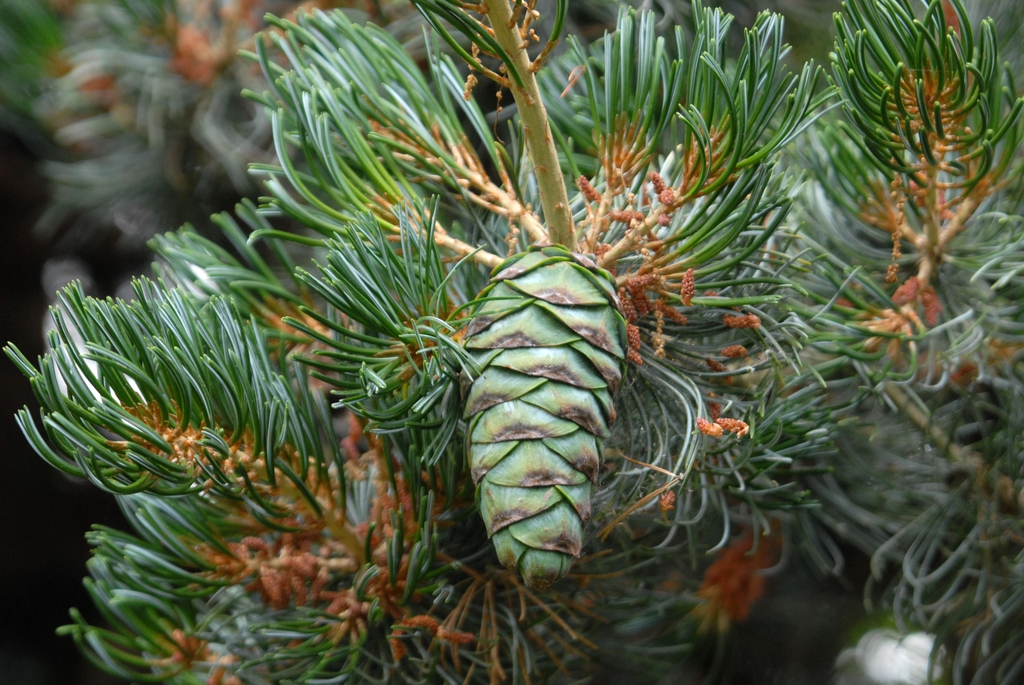
Japanese White Pine

If you’re looking for a plant that brings sophisticated elegance and year-round structure to your Connecticut garden, Japanese White Pine (PINUS PARVIFLORA) is an absolute treasure. This isn’t just another evergreen—it’s a living sculpture that will make your neighbors stop and stare, and honestly, it’s more rewarding to grow than you might think. With its graceful, layered branching habit and soft, feathery needles, this pine offers the kind of garden presence that makes people ask, “Where did you find that?” whether it’s been in your landscape for one year or ten.

What it looks like

Japanese White Pine is a coniferous evergreen with a naturally pyramidal to columnar form, though many specimens develop a more refined, tiered branching structure as they mature. The needles are absolutely gorgeous—soft and fine-textured in a lovely blue-green to gray-green color, arranged in bundles that give the whole tree an airy, almost feathery appearance. What really sets PINUS PARVIFLORA apart is its elegant branching pattern. The tree develops horizontal layers of branches that create distinct tiers, and even young trees have this sophisticated, architectural quality. Unlike dense, chunky conifers, this pine has an open, refined structure that lets light play through it beautifully and creates wonderful shadows in your garden. You might see some charming reddish-brown bark on the trunk and branches too, which adds another dimension of visual interest, especially in winter.

Growing it in your garden

Here’s what I love about Japanese White Pine in a Connecticut garden—it’s actually more adaptable than people assume. While it prefers well-draining soil and does best in slightly acidic conditions (which, lucky us, many New England soils naturally provide), PINUS PARVIFLORA isn’t fussy about soil type as long as drainage is good. The key to success is giving it plenty of sunshine—aim for at least six hours of direct sun daily, though it can tolerate light afternoon shade, especially during our hot Connecticut summers. This tree likes air circulation, so don’t plant it in a tight, enclosed spot. It’s hardy here in Connecticut and throughout New England, so you don’t need to worry about winter kill. The real secret to getting the best results is planting it in a location where it has room to develop its natural form without being squeezed or shaded by other plants. Think of it as giving your Japanese White Pine a stage to perform on.

Through the seasons

Spring brings fresh, new needles that emerge in a slightly lighter shade of green, creating a beautiful color contrast throughout the canopy. Summer is when you’ll really appreciate the fine texture and airy form—the needles stay that lovely blue-green color, and the branching structure becomes increasingly visible and admirable as the season progresses. Fall and winter are where PINUS PARVIFLORA truly shines in a Connecticut landscape. While the needles don’t change color dramatically like deciduous trees, they may take on slightly deeper or more muted tones as temperatures drop. What becomes stunning is the architectural branch structure—now fully visible without competing foliage from surrounding plants, it becomes a sculptural focal point. On snowy winter mornings, Japanese White Pine is absolutely breathtaking with snow clinging to its layered branches. Even in the darkest part of winter, when your garden might feel sparse, this evergreen provides year-round color and structure that keeps your landscape from looking bare and cold.

Where it shines

Japanese White Pine is at its best when positioned as a specimen plant—a focal point where its elegant form can be appreciated from multiple angles. Plant it where you can see it from your house, particularly from windows you look out of frequently. It’s wonderful near seating areas or along pathways where visitors naturally slow down and take in the view. This is also an excellent choice for smaller Connecticut properties because it doesn’t demand the vast space that some large conifers require. It works beautifully in modern landscapes, Asian-inspired gardens, or as a refined accent in traditional New England gardens. If you’re designing a garden to have structure and interest even in winter, Japanese White Pine is a non-negotiable must-have. It also does well in containers for several years, which means you could showcase one on a patio or deck during the growing season if you’re still deciding where to plant it permanently.

Perfect companions

Japanese White Pine looks stunning paired with other plants that respect its refined aesthetic. Underplant it with shade-tolerant groundcovers like Japanese Forest Grass (HAKONECHLOA) or various sedges that won’t compete with its root system. Pair it with Japanese Maples, dwarf rhododendrons, or smooth hydrangeas that share its elegant sensibility. Evergreen shrubs like dwarf boxwoods or compact hollies echo its year-round presence without competing visually. For seasonal color, consider shade-tolerant perennials like hellebores or autumn ferns positioned nearby but not directly underneath. The key is choosing companions that enhance rather than distract from the pine’s beautiful architecture.

Care tips

While Japanese White Pine doesn’t require constant fussing, a little thoughtful care keeps it looking its best. Water regularly, especially during the first growing season and during dry spells—consistent moisture is important, though the soil must drain well to prevent root rot. A two to three-inch layer of mulch around the base helps retain moisture and keeps roots cool during hot Connecticut summers. Prune lightly in late spring after new growth emerges; this stimulates branch development and maintains the tree’s naturally refined form. Avoid heavy pruning, which can damage the delicate branch structure. Watch for spider mites during dry periods—they occasionally trouble pines in Connecticut, though Japanese White Pine is generally quite pest-resistant. Every few years, you might thin out crossing branches to enhance the tiered effect, but honestly, with this naturally graceful tree, less pruning is usually better than more.

Quick facts

  • Hardiness Zone: Zones 4-8 (perfect for Connecticut)
  • Mature Height & Spread: 20-50 feet tall, 15-35 feet wide (depending on variety and growing conditions)
  • Bloom Season: Spring (male and female cones; not showy)
  • Light Requirements: Full sun to part shade (best with 6+ hours direct sun)
  • Water Needs: Moderate; consistent moisture, well-draining soil essential
  • Available at: Both our retail and wholesale locations

Japanese White Pine

Category:

Call for Details

Description

Japanese White Pine

If you’re looking for a plant that brings sophisticated elegance and year-round structure to your Connecticut garden, Japanese White Pine (PINUS PARVIFLORA) is an absolute treasure. This isn’t just another evergreen—it’s a living sculpture that will make your neighbors stop and stare, and honestly, it’s more rewarding to grow than you might think. With its graceful, layered branching habit and soft, feathery needles, this pine offers the kind of garden presence that makes people ask, “Where did you find that?” whether it’s been in your landscape for one year or ten.

What it looks like

Japanese White Pine is a coniferous evergreen with a naturally pyramidal to columnar form, though many specimens develop a more refined, tiered branching structure as they mature. The needles are absolutely gorgeous—soft and fine-textured in a lovely blue-green to gray-green color, arranged in bundles that give the whole tree an airy, almost feathery appearance. What really sets PINUS PARVIFLORA apart is its elegant branching pattern. The tree develops horizontal layers of branches that create distinct tiers, and even young trees have this sophisticated, architectural quality. Unlike dense, chunky conifers, this pine has an open, refined structure that lets light play through it beautifully and creates wonderful shadows in your garden. You might see some charming reddish-brown bark on the trunk and branches too, which adds another dimension of visual interest, especially in winter.

Growing it in your garden

Here’s what I love about Japanese White Pine in a Connecticut garden—it’s actually more adaptable than people assume. While it prefers well-draining soil and does best in slightly acidic conditions (which, lucky us, many New England soils naturally provide), PINUS PARVIFLORA isn’t fussy about soil type as long as drainage is good. The key to success is giving it plenty of sunshine—aim for at least six hours of direct sun daily, though it can tolerate light afternoon shade, especially during our hot Connecticut summers. This tree likes air circulation, so don’t plant it in a tight, enclosed spot. It’s hardy here in Connecticut and throughout New England, so you don’t need to worry about winter kill. The real secret to getting the best results is planting it in a location where it has room to develop its natural form without being squeezed or shaded by other plants. Think of it as giving your Japanese White Pine a stage to perform on.

Through the seasons

Spring brings fresh, new needles that emerge in a slightly lighter shade of green, creating a beautiful color contrast throughout the canopy. Summer is when you’ll really appreciate the fine texture and airy form—the needles stay that lovely blue-green color, and the branching structure becomes increasingly visible and admirable as the season progresses. Fall and winter are where PINUS PARVIFLORA truly shines in a Connecticut landscape. While the needles don’t change color dramatically like deciduous trees, they may take on slightly deeper or more muted tones as temperatures drop. What becomes stunning is the architectural branch structure—now fully visible without competing foliage from surrounding plants, it becomes a sculptural focal point. On snowy winter mornings, Japanese White Pine is absolutely breathtaking with snow clinging to its layered branches. Even in the darkest part of winter, when your garden might feel sparse, this evergreen provides year-round color and structure that keeps your landscape from looking bare and cold.

Where it shines

Japanese White Pine is at its best when positioned as a specimen plant—a focal point where its elegant form can be appreciated from multiple angles. Plant it where you can see it from your house, particularly from windows you look out of frequently. It’s wonderful near seating areas or along pathways where visitors naturally slow down and take in the view. This is also an excellent choice for smaller Connecticut properties because it doesn’t demand the vast space that some large conifers require. It works beautifully in modern landscapes, Asian-inspired gardens, or as a refined accent in traditional New England gardens. If you’re designing a garden to have structure and interest even in winter, Japanese White Pine is a non-negotiable must-have. It also does well in containers for several years, which means you could showcase one on a patio or deck during the growing season if you’re still deciding where to plant it permanently.

Perfect companions

Japanese White Pine looks stunning paired with other plants that respect its refined aesthetic. Underplant it with shade-tolerant groundcovers like Japanese Forest Grass (HAKONECHLOA) or various sedges that won’t compete with its root system. Pair it with Japanese Maples, dwarf rhododendrons, or smooth hydrangeas that share its elegant sensibility. Evergreen shrubs like dwarf boxwoods or compact hollies echo its year-round presence without competing visually. For seasonal color, consider shade-tolerant perennials like hellebores or autumn ferns positioned nearby but not directly underneath. The key is choosing companions that enhance rather than distract from the pine’s beautiful architecture.

Care tips

While Japanese White Pine doesn’t require constant fussing, a little thoughtful care keeps it looking its best. Water regularly, especially during the first growing season and during dry spells—consistent moisture is important, though the soil must drain well to prevent root rot. A two to three-inch layer of mulch around the base helps retain moisture and keeps roots cool during hot Connecticut summers. Prune lightly in late spring after new growth emerges; this stimulates branch development and maintains the tree’s naturally refined form. Avoid heavy pruning, which can damage the delicate branch structure. Watch for spider mites during dry periods—they occasionally trouble pines in Connecticut, though Japanese White Pine is generally quite pest-resistant. Every few years, you might thin out crossing branches to enhance the tiered effect, but honestly, with this naturally graceful tree, less pruning is usually better than more.

Quick facts

  • Hardiness Zone: Zones 4-8 (perfect for Connecticut)
  • Mature Height & Spread: 20-50 feet tall, 15-35 feet wide (depending on variety and growing conditions)
  • Bloom Season: Spring (male and female cones; not showy)
  • Light Requirements: Full sun to part shade (best with 6+ hours direct sun)
  • Water Needs: Moderate; consistent moisture, well-draining soil essential
  • Available at: Both our retail and wholesale locations