Peach Drift Rose

If you’re looking for a rose that’ll make you feel like a gardening superstar without requiring a PhD in rose care, the Peach Drift Rose (ROSA ‘Meiggili’) is absolutely your answer. This charming groundcover rose has stolen my heart—and I think it’ll steal yours too—with its ability to deliver continuous, gorgeous peachy-pink blooms from early summer right through the first hard frost here in Connecticut. Whether you’re a seasoned rose enthusiast or someone who’s been intimidated by roses in the past, this variety is forgiving, beautiful, and honestly just a joy to grow.

What it looks like

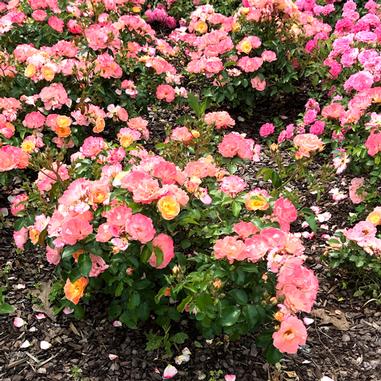
The Peach Drift Rose is a sprawling, low-growing shrub that creates the most beautiful mounding habit, typically staying quite compact and tidy without constant pruning. The flowers are absolutely delightful—soft, peachy-pink blooms that are full and ruffled, with that classic rose form we all love. They appear in small clusters, which gives the plant a generous, abundant look throughout the growing season. The foliage is glossy and deep green, providing the perfect backdrop for those peachy beauties. It’s the kind of plant that looks intentional and well-designed in your garden, even though it’s remarkably low-maintenance. The overall effect is one of effortless elegance—think of it as the rose equivalent of a casually sophisticated outfit that actually took minimal effort.

Growing it in your garden

Here’s what I love about Peach Drift for our New England climate: it’s tough. This rose was bred with modern gardeners in mind, and it shows genuine resilience in our Connecticut growing conditions. Plant it in a location that receives at least six hours of direct sunlight daily—morning sun is particularly beneficial here as it helps dry dew and reduce fungal issues, which can be a concern in our humid summers. The rose prefers well-draining soil, so if you’re working with heavy clay (which many of us are in Connecticut), work in some compost or aged manure before planting to improve drainage. It’s really quite adaptable, though, and won’t throw a tantrum if your soil isn’t perfect. Space plants about three to four feet apart if you’re creating a mass planting, which is where this variety truly shines. Water regularly the first season to establish a strong root system, but once established, it’s reasonably drought-tolerant—though it’ll flower more prolifically with consistent moisture during the growing season.

Through the seasons

Spring arrives, and the Peach Drift Rose wakes up ready to party. New growth emerges with that gorgeous bronzy tint before turning to shiny green, and buds form quickly. By early summer, you’ve got blooms—and lots of them. Throughout summer and into fall, the show continues beautifully. Unlike some roses that get tired as heat builds, this variety keeps blooming steadily. I’ve had these flowering beautifully right through September and even into October in my own Connecticut garden. The blooms are repeat-flowering, meaning they’re not just a one-time spring show—you get continuous color all season long. As temperatures drop in late fall, the plant gradually goes dormant, and that’s when it’s time for a light pruning in early spring to maintain its shape. There’s no need to prune heavily; just remove any dead wood and shape it lightly.

Where it shines

The Peach Drift Rose absolutely sings in mass plantings—three, five, or even more plants together create a spectacular drift of color that’s nothing short of stunning. It’s perfect for landscape beds, sloped areas, or any spot where you want continuous color and minimal fussing. I also love it as a specimen plant in containers or smaller garden spaces. Because of its tidy, compact habit, it works beautifully along pathways, borders, or as a low-growing accent in mixed perennial gardens. It’s excellent for Connecticut gardeners who want the romance of roses without dedicating their entire weekend to maintenance. It also performs admirably in slightly challenging spots—it’s more heat and humidity tolerant than many roses, making it a solid choice for warmer microclimates in your yard.

Perfect companions

The peachy tones of these roses play beautifully with lavender, catmint (NEPETA), and Russian sage (PEROVSKIA), creating those dreamy color combinations we see in high-end garden design. Silver foliage plants like artemisia or dusty miller provide stunning contrast. For a romantic, cottage-garden vibe, pair it with coreopsis, salvia, and ornamental grasses like feather reed grass. Spring bulbs planted nearby—like tulips in coordinating peachy or cream tones—extend your seasonal interest beautifully. The low, spreading habit makes it an ideal companion for upright plants that you want to showcase, like ornamental grasses or tall perennials.

Care tips

Water deeply but infrequently to encourage deep rooting—this is especially important during dry spells in our Connecticut summers. Apply mulch around the base to conserve moisture and regulate soil temperature, but keep it a few inches away from the stems to prevent rot. Deadheading (removing spent blooms) encourages more flowering, though this variety is fairly self-cleaning. In early spring, after the last frost danger has passed, do a light pruning to shape the plant and remove any winter damage. Watch for common rose issues like black spot, which can occur in our humid climate, but this variety is more resistant than many. Good air circulation and avoiding overhead watering go a long way. If you do see fungal issues, there are many organic options available to Connecticut gardeners. A balanced rose fertilizer or general-purpose fertilizer applied in spring and early summer keeps plants vigorous and blooming.

Quick facts

  • Hardiness Zone: 4-11 (Perfect for Connecticut!)
  • Mature Height & Spread: 1.5-2 feet tall by 2-3 feet wide
  • Bloom Season: Early summer through fall frost
  • Light Requirements: Full sun (6+ hours daily)
  • Water Needs: Moderate; regular water during growing season, drought-tolerant once established
  • Available at: Both our retail and wholesale locations

Peach Drift Rose

Soft peach blooms cover the plant from mid-spring to the first hard freeze of late fall. Exhibits strong disease resistance

Pot Size (gallons), Height: #2

Description

Peach Drift Rose

If you’re looking for a rose that’ll make you feel like a gardening superstar without requiring a PhD in rose care, the Peach Drift Rose (ROSA ‘Meiggili’) is absolutely your answer. This charming groundcover rose has stolen my heart—and I think it’ll steal yours too—with its ability to deliver continuous, gorgeous peachy-pink blooms from early summer right through the first hard frost here in Connecticut. Whether you’re a seasoned rose enthusiast or someone who’s been intimidated by roses in the past, this variety is forgiving, beautiful, and honestly just a joy to grow.

What it looks like

The Peach Drift Rose is a sprawling, low-growing shrub that creates the most beautiful mounding habit, typically staying quite compact and tidy without constant pruning. The flowers are absolutely delightful—soft, peachy-pink blooms that are full and ruffled, with that classic rose form we all love. They appear in small clusters, which gives the plant a generous, abundant look throughout the growing season. The foliage is glossy and deep green, providing the perfect backdrop for those peachy beauties. It’s the kind of plant that looks intentional and well-designed in your garden, even though it’s remarkably low-maintenance. The overall effect is one of effortless elegance—think of it as the rose equivalent of a casually sophisticated outfit that actually took minimal effort.

Growing it in your garden

Here’s what I love about Peach Drift for our New England climate: it’s tough. This rose was bred with modern gardeners in mind, and it shows genuine resilience in our Connecticut growing conditions. Plant it in a location that receives at least six hours of direct sunlight daily—morning sun is particularly beneficial here as it helps dry dew and reduce fungal issues, which can be a concern in our humid summers. The rose prefers well-draining soil, so if you’re working with heavy clay (which many of us are in Connecticut), work in some compost or aged manure before planting to improve drainage. It’s really quite adaptable, though, and won’t throw a tantrum if your soil isn’t perfect. Space plants about three to four feet apart if you’re creating a mass planting, which is where this variety truly shines. Water regularly the first season to establish a strong root system, but once established, it’s reasonably drought-tolerant—though it’ll flower more prolifically with consistent moisture during the growing season.

Through the seasons

Spring arrives, and the Peach Drift Rose wakes up ready to party. New growth emerges with that gorgeous bronzy tint before turning to shiny green, and buds form quickly. By early summer, you’ve got blooms—and lots of them. Throughout summer and into fall, the show continues beautifully. Unlike some roses that get tired as heat builds, this variety keeps blooming steadily. I’ve had these flowering beautifully right through September and even into October in my own Connecticut garden. The blooms are repeat-flowering, meaning they’re not just a one-time spring show—you get continuous color all season long. As temperatures drop in late fall, the plant gradually goes dormant, and that’s when it’s time for a light pruning in early spring to maintain its shape. There’s no need to prune heavily; just remove any dead wood and shape it lightly.

Where it shines

The Peach Drift Rose absolutely sings in mass plantings—three, five, or even more plants together create a spectacular drift of color that’s nothing short of stunning. It’s perfect for landscape beds, sloped areas, or any spot where you want continuous color and minimal fussing. I also love it as a specimen plant in containers or smaller garden spaces. Because of its tidy, compact habit, it works beautifully along pathways, borders, or as a low-growing accent in mixed perennial gardens. It’s excellent for Connecticut gardeners who want the romance of roses without dedicating their entire weekend to maintenance. It also performs admirably in slightly challenging spots—it’s more heat and humidity tolerant than many roses, making it a solid choice for warmer microclimates in your yard.

Perfect companions

The peachy tones of these roses play beautifully with lavender, catmint (NEPETA), and Russian sage (PEROVSKIA), creating those dreamy color combinations we see in high-end garden design. Silver foliage plants like artemisia or dusty miller provide stunning contrast. For a romantic, cottage-garden vibe, pair it with coreopsis, salvia, and ornamental grasses like feather reed grass. Spring bulbs planted nearby—like tulips in coordinating peachy or cream tones—extend your seasonal interest beautifully. The low, spreading habit makes it an ideal companion for upright plants that you want to showcase, like ornamental grasses or tall perennials.

Care tips

Water deeply but infrequently to encourage deep rooting—this is especially important during dry spells in our Connecticut summers. Apply mulch around the base to conserve moisture and regulate soil temperature, but keep it a few inches away from the stems to prevent rot. Deadheading (removing spent blooms) encourages more flowering, though this variety is fairly self-cleaning. In early spring, after the last frost danger has passed, do a light pruning to shape the plant and remove any winter damage. Watch for common rose issues like black spot, which can occur in our humid climate, but this variety is more resistant than many. Good air circulation and avoiding overhead watering go a long way. If you do see fungal issues, there are many organic options available to Connecticut gardeners. A balanced rose fertilizer or general-purpose fertilizer applied in spring and early summer keeps plants vigorous and blooming.

Quick facts

  • Hardiness Zone: 4-11 (Perfect for Connecticut!)
  • Mature Height & Spread: 1.5-2 feet tall by 2-3 feet wide
  • Bloom Season: Early summer through fall frost
  • Light Requirements: Full sun (6+ hours daily)
  • Water Needs: Moderate; regular water during growing season, drought-tolerant once established
  • Available at: Both our retail and wholesale locations