
Description
ULMUS AMERICANA ‘PRINCETON’
The American Elm has a complicated history in New England—one of heartbreak, loss, and hard-won redemption. For generations, these magnificent trees lined our streets and graced our town commons, their cathedral-like canopies creating cool, shaded passages through summer heat. Then Dutch elm disease arrived, devastating native populations and leaving behind a landscape that felt incomplete. The Princeton American Elm represents something different: a second chance, a cultivar selected specifically for disease resistance that lets us plant these iconic trees again without fear. If you’re looking to restore something essential to the Connecticut landscape—and do it right—this is your answer.
What it looks like
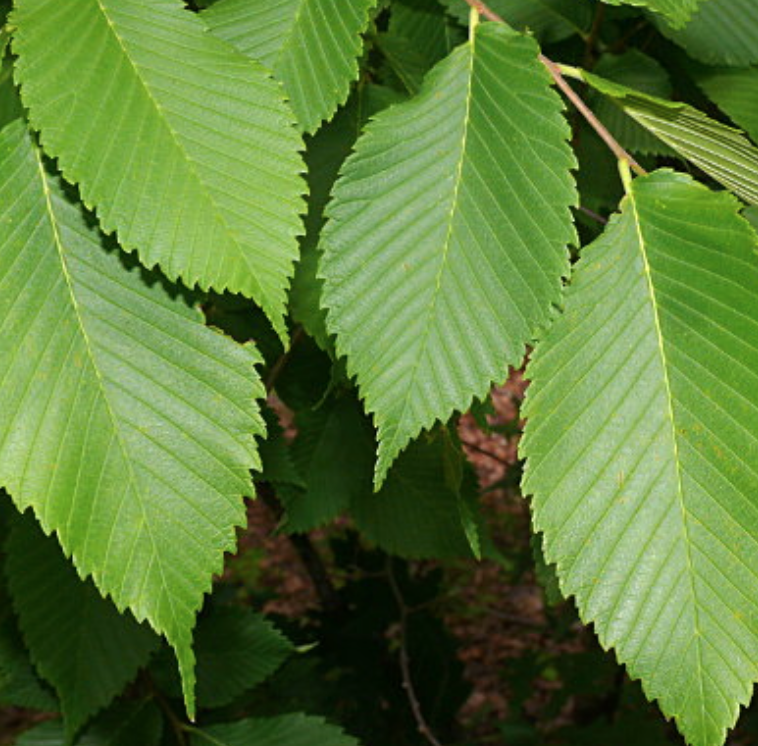
Picture the classic American elm silhouette: an elegant, vase-shaped crown that seems to reach upward and outward simultaneously, creating an almost architectural grace. The Princeton variety develops a strong central leader with evenly-spaced branching that matures into that distinctive spreading form we’ve all admired. The bark is deeply furrowed and gray-brown, developing character and texture as it ages. In spring, delicate flowers appear—tiny, reddish, and barely noticed, but they’re part of the tree’s quiet elegance. The leaves are doubly-serrate (saw-toothed on both edges), medium green through summer, and transform to golden-yellow in fall. This is a tree that looks noble even in winter, when its branch structure becomes a study in graceful geometry.
Growing it in your garden
Here’s what makes the Princeton cultivar special: it was selected and tested specifically for resistance to Dutch elm disease, the fungal pathogen that ravaged American elm populations across the Northeast starting in the 1930s. That doesn’t mean it’s immune—no tree is—but it has proven superior resistance compared to wild-type American elms. For Connecticut gardeners, this is genuinely significant. The Princeton grows best in full sun to part shade and prefers well-drained soil, though it’s remarkably adaptable once established. Plant in spring or fall, when the tree can focus energy on root development rather than leafing out. Dig a hole roughly as deep as the root ball and 2–3 times as wide, loosening the surrounding soil. Water deeply at planting and maintain consistent moisture through the first growing season. These trees develop a strong taproot system, so they’re more drought-tolerant once they’ve settled in—which is exactly what you want in a specimen tree.
Through the seasons
Spring arrives with a flush of fresh, bright green foliage that catches the light beautifully. Early May brings those small but important flowers, followed quickly by winged samaras (seeds) that drift on late-spring breezes. Summer is when the Princeton truly earns its place: the dense canopy creates that legendary cooling shade that can lower surrounding temperatures noticeably on hot days. The tree’s structure becomes a framework for evening light, and you’ll find yourself sitting beneath it, just breathing. Fall is spectacular—that golden-yellow color seems to glow from within, and the leaves drop gradually, creating texture in the landscape through November. Winter reveals the skeleton of the tree, and here’s something few people mention: the branch structure is genuinely beautiful, almost Japanese in its considered elegance.
Where it shines
This is the tree for those larger spaces where you can let it develop fully: parks, estates, town commons, and substantial residential properties. The Princeton American Elm works beautifully as a specimen tree where it can be viewed from multiple angles, or in groups to recreate that classic elm-lined street effect. It’s wonderful near buildings—its spreading canopy filters sun on south-facing walls and creates wonderful shade patterns on patios. Because of its ultimate size and mature form, it needs space to become what it’s meant to be. This isn’t a tree for tight corners, but it’s absolutely the tree for meaningful places where you want something that will grow more beautiful for generations.
Perfect companions
Shade-tolerant perennials thrive beneath a mature elm’s canopy: try Hellebores, Epimedium, Autumn Fern, and shade-loving Hostas. At the edge of that canopy where light is dappled, Oakleaf Hydrangeas and native Serviceberry create lovely layering. For a more naturalistic approach, underplant with shade-tolerant native groundcovers like Carex pensylvanica. If you’re recreating that classic New England town feel, companion trees might include native Flowering Dogwood, Eastern Redbud, and American Hornbeam.
Care tips
Keep newly planted trees consistently watered through their first season. Once established, they’re quite self-sufficient, though they appreciate deep watering during Connecticut’s occasional dry spells. Minimal pruning is needed—remove any crossing branches or dead wood in late winter or early spring. The Princeton’s strong branch angles mean it’s naturally less susceptible to storm damage than some other cultivars. Watch for the classic elm beetle symptoms (small holes in bark, wilting branches) and contact a certified arborist immediately if you spot them; early intervention makes all the difference. Avoid wounding the trunk, as this can provide entry points for pathogens.
Quick facts
- Hardiness Zone: 3–9
- Mature Height & Spread: 60–80 feet tall and wide
- Bloom Season: Early spring (inconspicuous flowers)
- Light Requirements: Full sun to part shade
- Water Needs: Moderate; prefers consistent moisture when young, drought-tolerant when established
- Available at: Both our retail and wholesale locations