Colorado Blue Spruce

If you’re looking to add a touch of dramatic elegance to your Connecticut landscape, the Colorado Blue Spruce (PICEA PUNGENS) might just be your answer! This stunning conifer has captured hearts across New England for decades, and honestly, once you see one thriving in a local garden, you’ll understand why. With its striking silvery-blue needles that seem to glow against our gray New England skies, this beauty offers year-round interest and a stately presence that makes it the perfect anchor plant for any yard. Whether you’re dreaming of a classic Christmas card scene or simply want to create a stunning focal point that’ll make your neighbors envious, this is one of those plants that genuinely delivers on all fronts.

What it looks like

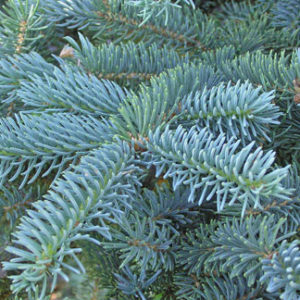
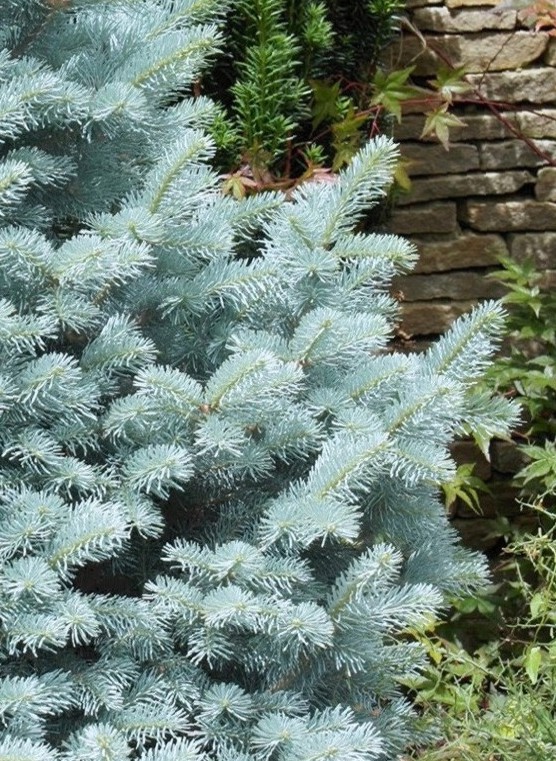
The Colorado Blue Spruce is absolutely gorgeous, with a naturally pyramidal form that doesn’t require much fussing to look polished. What really sets it apart is that iconic blue-gray foliage—some specimens are more silvery-blue while others lean toward a deeper steel blue, and the color intensity often increases as the tree matures. The needles are slightly stiff and prickly to the touch (which is why it’s sometimes called the Blue Prickly Spruce), arranged all around the branches in that classic conical shape we all recognize. As the tree grows, it develops a full, dense structure that looks like living sculpture. Come fall and winter, the tree becomes even more striking, with the silvery-blue color really popping against the brown and dormant landscape around it. You might also notice the tree producing small cones later in its life, adding another layer of visual interest.

Growing it in your garden

Here in Connecticut, Colorado Blue Spruce thrives when given the right conditions, and thankfully, they’re not too demanding once established. These trees prefer a location with full sun—at least six to eight hours daily—which helps develop that gorgeous blue color we all want. They’re not particularly fussy about soil, but they do appreciate well-draining conditions, which is actually perfect for our Connecticut soils. The key here is avoiding wet feet; these are mountain natives, so they prefer things on the drier side once established. If you’re planting in heavy clay (which isn’t uncommon here), you can amend with some compost to improve drainage. Spring or early fall planting gives you the best results, allowing the tree time to establish a good root system before our challenging New England winters. Space your tree with mature size in mind—these can get quite large—so give it plenty of room to stretch out and become the specimen it’s meant to be.

Through the seasons

One of the absolute joys of the Colorado Blue Spruce is that it offers something beautiful in every season. Spring brings new growth with fresh, bright blue tips that contrast beautifully against the deeper mature foliage—it’s like the tree is continuously renewing itself. Summer is when the tree really gets to show off, maintaining that stunning form and color throughout our warm months. Fall is when you might notice those small cones developing, adding subtle ornamental interest as other plants are fading. And winter? Oh, winter is when this tree absolutely shines. While everything else in your Connecticut garden is dormant and gray, your Blue Spruce stands proud in its silvery-blue glory, dusted with snow and providing wonderful color contrast. Many people love the way these trees look when freshly snowed on—it’s genuinely magical.

Where it shines

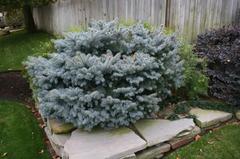
The Colorado Blue Spruce is a real superstar when used as a specimen plant—that is, a single plant positioned where it can be admired from multiple angles, like in a front yard corner or as a backdrop to perennial plantings. It’s also wonderful for creating privacy screens or windbreaks along property lines, though remember to give it space to mature fully. Because of its formal, elegant appearance, it works beautifully in more structured landscape designs, but honestly, it’s stunning in informal settings too. It’s tall enough to anchor larger landscapes but not so massive that it overwhelms typical residential properties. Many Connecticut gardeners use these as living evergreen screens on their north or west sides to help protect other plants from our harsh winter winds, while simultaneously creating a gorgeous view from inside the house.

Perfect companions

The Colorado Blue Spruce looks absolutely stunning when paired with other plants that complement its cool tones. Consider planting it near birches, which have similarly cool-toned bark, for a harmonious combination. At its base, low-growing junipers or some of our tougher New England shrubs like serviceberry or dogwood create nice layered interest. For a cottage garden feel, plant some early spring bulbs—like crocuses or snowdrops—nearby to emerge at the tree’s feet. Ornamental grasses with silvery foliage, like Russian sage, complement the blue beautifully, and they’re all pretty equally tough in Connecticut conditions. Avoid planting anything with deep gold or warm orange tones too close, as the color contrast might feel a bit jarring.

Care tips

Once your Colorado Blue Spruce is established—typically after the first year—it’s remarkably low-maintenance, which is wonderful news for busy gardeners! Water regularly during the first growing season, especially during our dry Connecticut summers, to help establish a strong root system. After that, it’s quite drought-tolerant, though it’ll appreciate supplemental water during prolonged dry spells. Pruning is generally unnecessary since the tree naturally forms a beautiful shape, but if you need to remove any dead or damaged branches, late fall is your best bet. These trees are generally quite pest and disease-resistant here in New England, though in hot, humid years you might occasionally see spider mites—a good spray with the hose usually takes care of this. Avoid planting too close to driveways where road salt might splash, as these trees prefer neutral to slightly acidic conditions. Mulching around the base helps retain moisture and keeps roots cool, which they appreciate, especially in our increasingly warm summers.

Quick facts

  • Hardiness Zone: Zones 2-7
  • Mature Height & Spread: 40-60 feet tall, 20-30 feet wide at maturity
  • Bloom Season: Cones appear in fall
  • Light Requirements: Full sun (6-8 hours daily)
  • Water Needs: Moderate; prefers well-drained soil, drought-tolerant once established
  • Available at: Both our retail and wholesale locations
Colorado Blue Spruce

Category:

Superb evergreen conifer with rich blue needles on a densely branched, naturally pyramidal form. An outstanding landscape specimen. A very slow grower that will become quite large over time, in ideal conditions.

Zoning: 2-8
Mature Height and Spread: 40′ & 20′
Pot Size (gallons), Height: 6’

Description

Colorado Blue Spruce

If you’re looking to add a touch of dramatic elegance to your Connecticut landscape, the Colorado Blue Spruce (PICEA PUNGENS) might just be your answer! This stunning conifer has captured hearts across New England for decades, and honestly, once you see one thriving in a local garden, you’ll understand why. With its striking silvery-blue needles that seem to glow against our gray New England skies, this beauty offers year-round interest and a stately presence that makes it the perfect anchor plant for any yard. Whether you’re dreaming of a classic Christmas card scene or simply want to create a stunning focal point that’ll make your neighbors envious, this is one of those plants that genuinely delivers on all fronts.

What it looks like

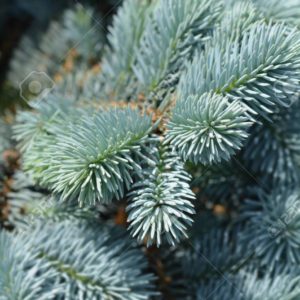
The Colorado Blue Spruce is absolutely gorgeous, with a naturally pyramidal form that doesn’t require much fussing to look polished. What really sets it apart is that iconic blue-gray foliage—some specimens are more silvery-blue while others lean toward a deeper steel blue, and the color intensity often increases as the tree matures. The needles are slightly stiff and prickly to the touch (which is why it’s sometimes called the Blue Prickly Spruce), arranged all around the branches in that classic conical shape we all recognize. As the tree grows, it develops a full, dense structure that looks like living sculpture. Come fall and winter, the tree becomes even more striking, with the silvery-blue color really popping against the brown and dormant landscape around it. You might also notice the tree producing small cones later in its life, adding another layer of visual interest.

Growing it in your garden

Here in Connecticut, Colorado Blue Spruce thrives when given the right conditions, and thankfully, they’re not too demanding once established. These trees prefer a location with full sun—at least six to eight hours daily—which helps develop that gorgeous blue color we all want. They’re not particularly fussy about soil, but they do appreciate well-draining conditions, which is actually perfect for our Connecticut soils. The key here is avoiding wet feet; these are mountain natives, so they prefer things on the drier side once established. If you’re planting in heavy clay (which isn’t uncommon here), you can amend with some compost to improve drainage. Spring or early fall planting gives you the best results, allowing the tree time to establish a good root system before our challenging New England winters. Space your tree with mature size in mind—these can get quite large—so give it plenty of room to stretch out and become the specimen it’s meant to be.

Through the seasons

One of the absolute joys of the Colorado Blue Spruce is that it offers something beautiful in every season. Spring brings new growth with fresh, bright blue tips that contrast beautifully against the deeper mature foliage—it’s like the tree is continuously renewing itself. Summer is when the tree really gets to show off, maintaining that stunning form and color throughout our warm months. Fall is when you might notice those small cones developing, adding subtle ornamental interest as other plants are fading. And winter? Oh, winter is when this tree absolutely shines. While everything else in your Connecticut garden is dormant and gray, your Blue Spruce stands proud in its silvery-blue glory, dusted with snow and providing wonderful color contrast. Many people love the way these trees look when freshly snowed on—it’s genuinely magical.

Where it shines

The Colorado Blue Spruce is a real superstar when used as a specimen plant—that is, a single plant positioned where it can be admired from multiple angles, like in a front yard corner or as a backdrop to perennial plantings. It’s also wonderful for creating privacy screens or windbreaks along property lines, though remember to give it space to mature fully. Because of its formal, elegant appearance, it works beautifully in more structured landscape designs, but honestly, it’s stunning in informal settings too. It’s tall enough to anchor larger landscapes but not so massive that it overwhelms typical residential properties. Many Connecticut gardeners use these as living evergreen screens on their north or west sides to help protect other plants from our harsh winter winds, while simultaneously creating a gorgeous view from inside the house.

Perfect companions

The Colorado Blue Spruce looks absolutely stunning when paired with other plants that complement its cool tones. Consider planting it near birches, which have similarly cool-toned bark, for a harmonious combination. At its base, low-growing junipers or some of our tougher New England shrubs like serviceberry or dogwood create nice layered interest. For a cottage garden feel, plant some early spring bulbs—like crocuses or snowdrops—nearby to emerge at the tree’s feet. Ornamental grasses with silvery foliage, like Russian sage, complement the blue beautifully, and they’re all pretty equally tough in Connecticut conditions. Avoid planting anything with deep gold or warm orange tones too close, as the color contrast might feel a bit jarring.

Care tips

Once your Colorado Blue Spruce is established—typically after the first year—it’s remarkably low-maintenance, which is wonderful news for busy gardeners! Water regularly during the first growing season, especially during our dry Connecticut summers, to help establish a strong root system. After that, it’s quite drought-tolerant, though it’ll appreciate supplemental water during prolonged dry spells. Pruning is generally unnecessary since the tree naturally forms a beautiful shape, but if you need to remove any dead or damaged branches, late fall is your best bet. These trees are generally quite pest and disease-resistant here in New England, though in hot, humid years you might occasionally see spider mites—a good spray with the hose usually takes care of this. Avoid planting too close to driveways where road salt might splash, as these trees prefer neutral to slightly acidic conditions. Mulching around the base helps retain moisture and keeps roots cool, which they appreciate, especially in our increasingly warm summers.

Quick facts

  • Hardiness Zone: Zones 2-7
  • Mature Height & Spread: 40-60 feet tall, 20-30 feet wide at maturity
  • Bloom Season: Cones appear in fall
  • Light Requirements: Full sun (6-8 hours daily)
  • Water Needs: Moderate; prefers well-drained soil, drought-tolerant once established
  • Available at: Both our retail and wholesale locations