Description
PICEA PUNGENS ‘PENDULA’
Not many plants earn the right to be called architectural. A Weeping Norway Blue Spruce does. This isn’t a tree that blends into the landscape—it’s a statement piece, a living sculpture that commands attention from every angle. With its distinctive cascading branches that sweep dramatically downward and its incredible steel-blue foliage that seems to glow on gray Connecticut afternoons, this spruce transforms an ordinary garden into something genuinely memorable. If you’ve been looking for a specimen tree that offers year-round interest, doesn’t require fussy care, and will still be thriving long after you plant it, this is it.
What it looks like
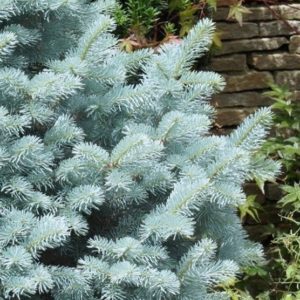
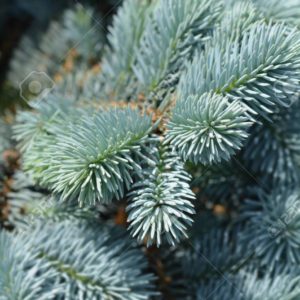
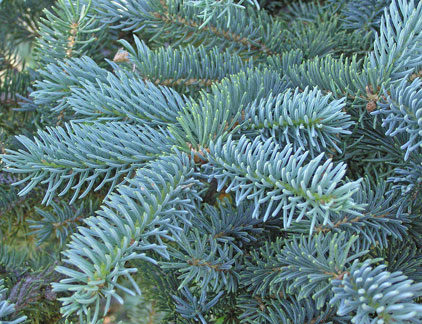
Imagine a waterfall made of evergreen branches. The Weeping Norway Blue Spruce grows with a naturally weeping form—branches cascade and drape downward in elegant, layered tiers, creating a fountain-like silhouette that’s softer than typical upright spruces but still distinctly architectural. The needles are short and densely packed, displaying that coveted powder-blue color that makes this tree special. The color is most intense in spring when new growth emerges, though the blue persists beautifully throughout the year, deepening slightly in winter. The overall effect is of a tree that looks equally stunning whether you’re viewing it from the distance or standing beneath its branches.
Growing it in your garden
Connecticut’s climate suits this spruce beautifully. It’s completely winter-hardy in our Zone 3-4 gardens and actually prefers the cooler temperatures of New England to hot, humid summers. Plant it where it gets full sun—at least six hours daily, ideally more. While it will tolerate afternoon shade, you’ll see the best color development in full-sun locations. Soil-wise, this tree isn’t particularly fussy, but it does prefer well-draining conditions. It won’t perform well in constantly soggy spots, but once established, it shows good tolerance for the typical New England growing season, including our occasional drought periods and the freeze-thaw cycles that characterize our springs.
Through the seasons
Spring brings the most dramatic transformation. New growth emerges in brilliant silvery-blue tones, creating a two-tone effect against the previous year’s darker foliage. It’s genuinely stunning. Summer is when you appreciate the tree’s structural form—the weeping branches create wonderful dappled shade underneath, and the blue color deepens to its mature tone. Fall brings a subtle shift toward gray-blue as cooler nights arrive, and the needles develop richer undertones. Winter is perhaps when this tree truly shines. While deciduous trees are bare, your Weeping Norway Blue Spruce stands as a focal point in the dormant garden, its architectural form and pewter-blue foliage providing essential structure and color when the landscape needs it most. Snow and ice collect beautifully on the drooping branches, creating an enchanting winter display.
Where it shines
This is your tree for a prominent location. Use it as a standalone specimen where its weeping form can be fully appreciated—perhaps anchoring a corner of your property, framing an entry, or serving as the centerpiece of a foundation planting. It’s also wonderful in larger mixed borders where its vertical interest and color contrast beautifully with green-foliaged plants. If you have a small woodland edge or a location where you want to create visual interest without overwhelming the space, a Weeping Norway Blue Spruce is perfect. The main requirement is visible placement where you’ll actually see it—this tree deserves an audience.
Perfect companions
Plant your Weeping Norway Blue Spruce with plants that respect its architectural presence. Soft-textured companions like feather reed grass (CALAMAGROSTIS ACUTIFLORA ‘Karl Foerster’) echo its vertical elements without competing. Shade-tolerant perennials planted beneath—like hellebores, bleeding heart, or epimedium—appreciate the dappled shade and create a softening understory. Evergreen companions with contrasting forms work beautifully too. Consider pairing it with rounded junipers or the fine texture of thread-leaf conifers planted nearby to echo its delicate needle structure.
Care tips
Water regularly the first season to establish a deep root system, then this tree becomes quite drought-tolerant. Mulch around the base to help retain moisture and regulate soil temperature through our temperature swings. Pruning is rarely necessary—let it weep naturally and enjoy its unmanicured elegance. These spruces can occasionally attract spider mites in hot, dry years, so keep an eye out and provide consistent moisture if conditions are extremely dry. The tree’s main enemy is poor drainage; avoid low spots where water pools. Otherwise, you’re looking at a plant that essentially takes care of itself for decades.
Quick facts
- Hardiness Zone: 2-8
- Mature Height & Spread: 20-30 feet tall, 8-15 feet wide (varies by cultivar; dwarf selections available)
- Bloom Season: Non-flowering; ornamental cones in fall
- Light Requirements: Full sun to part shade (full sun for best color)
- Water Needs: Moderate; prefers well-draining soil
- Available at: Both our retail and wholesale locations