Description

PICEA PUNGENS
The Colorado Blue Spruce is Connecticut’s answer to the dramatic evergreen. With its striking silvery-blue needles and perfect pyramidal form, this is the tree that makes neighbors pause mid-conversation to ask, “What IS that?” It’s the kind of specimen that commands attention in any landscape—not through showiness, but through sheer presence. If you want a tree that looks like it was sculpted by someone with very particular taste, this is it.
What it looks like
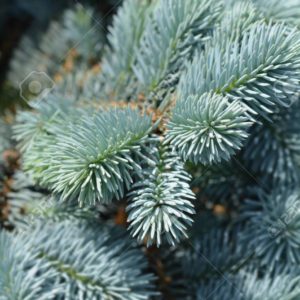
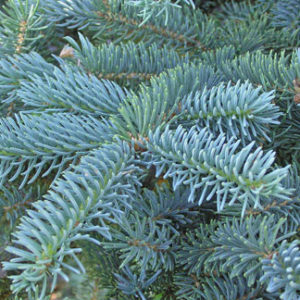
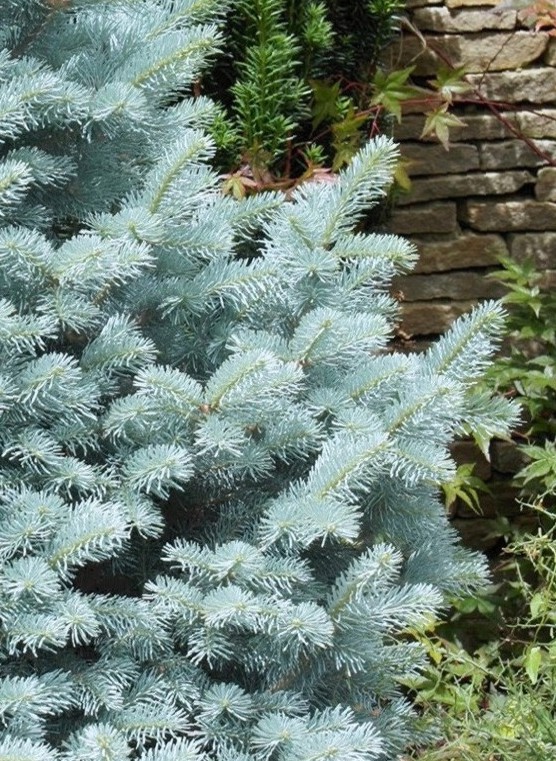
Imagine an evergreen that looks almost unreal in its perfection. The PICEA PUNGENS grows in a dense, symmetrical pyramid that could be mistaken for a living sculpture. The real showstopper is the foliage: needles in shades of steel blue, powder blue, and silvery gray that seem to glow in winter sunlight. The color intensity varies among cultivars—some lean toward a more subtle sage-blue, while the most prized selections (like ‘Hoopsii’) display that famous Colorado Blue coloring that can take your breath away. The needles are stiff and slightly curved, arranged densely along branches that extend nearly to the ground when the tree is young. Mature trees develop a rugged, somewhat open character that adds textural interest year-round.
Growing it in your garden
Colorado Blue Spruces thrive in New England’s cooler climate, which suits them far better than their native Rocky Mountain habitat might suggest. They’re cold-hardy performers that appreciate Connecticut’s winter chill and spring moisture. Plant in a location with excellent air circulation—these trees don’t appreciate humidity-trapped growing conditions. They’re not fussy about soil pH but do insist on excellent drainage. While they tolerate some urban pollution better than many evergreens, they’ll be happier in a spot with good air movement and away from compacted soils. Once established, they develop deep roots and become quite self-sufficient. These are trees that actually improve with time and maturity, growing more beautiful as they age.
Through the seasons
Spring brings new growth in softer, often brighter shades of blue-green that gradually deepen and intensify as the season progresses. Summer showcases the full glory of the mature blue coloring—if anything, the intensity deepens when the tree is happy and well-watered during the growing season. Fall doesn’t bring much change to this evergreen, but that’s the point: while your deciduous trees are dropping leaves, the PICEA PUNGENS stands steadfast, its silvery color becoming even more striking against autumn’s bare branches. Winter is when these trees truly shine. The blue tones seem to intensify against snow and gray skies, and the dense branching provides good form and interest during the dormant season. Ice and snow showcase the structural integrity of the tree beautifully.
Where it shines
Use the Colorado Blue Spruce as a specimen tree where it can be fully appreciated—perhaps anchoring a corner of your property, framing an entryway, or serving as a focal point in a mixed border. They’re exceptional in large foundation plantings where their height and color can prevent a landscape from looking flat. They work beautifully in contemporary designs where their geometric form reads as architectural. In naturalistic settings, group several specimens at varying distances to create visual rhythm. They’re also splendid in screening applications, where their dense branching and year-round presence create a living wall that’s far more interesting than typical screening evergreens.
Perfect companions
The Colorado Blue Spruce’s cool blue tones pair beautifully with warm-colored evergreens like golden Hinoki Cypress or the warm bronze tones of winter-colored ornamental grasses. Pair it with acid-loving shrubs that appreciate similar drainage conditions: rhododendrons, mountain laurels, and blueberries create a sophisticated, naturalistic combination. In more formal settings, use it with silvery-foliaged perennials like Artemisia or Russian Sage to echo and enhance the blue tones. Dark green conifers in the background make the blue stand out even more dramatically. Deciduous trees like paper birch or quaking aspen provide textural contrast while allowing winter interest.
Care tips
Water regularly during establishment—Connecticut’s first-year plants benefit from consistent moisture. Once established, these trees are quite drought-tolerant, but they’ll be most beautiful when they receive supplemental water during hot, dry spells. Don’t mulch directly against the trunk, but a ring of mulch at a distance helps moderate soil moisture. Pruning is rarely necessary; the natural form is the whole point. If you must prune, do it in late winter or early spring. Monitor for spider mites in hot, dry conditions—increased watering can help prevent issues. These trees appreciate good air circulation, so site them thoughtfully rather than crammed between other plants.
Quick facts
- Hardiness Zone: 2–8 (thrives throughout Connecticut)
- Mature Height & Spread: 40–60 feet tall, 10–20 feet wide
- Bloom Season: Non-flowering evergreen; colorful foliage year-round
- Light Requirements: Full sun for best color intensity
- Water Needs: Moderate; regular moisture during establishment, then drought-tolerant once settled
- Available at: Both our retail and wholesale locations.