Red Twig Dogwood

CORNUS ALBA ‘SIBIRICA’

If you’ve been searching for something that handles wet soil, deep shade, and Connecticut winters without complaint, while also delivering serious visual drama—meet your new garden essential. Red Twig Dogwood isn’t just another shrub. It’s a four-season performer that transforms from understated greenery into a glowing beacon of crimson branches the moment autumn arrives, then steals the show all winter long when everything else has faded to brown. In a New England garden, this is the plant that makes people stop and ask, “What is that?”

What it looks like

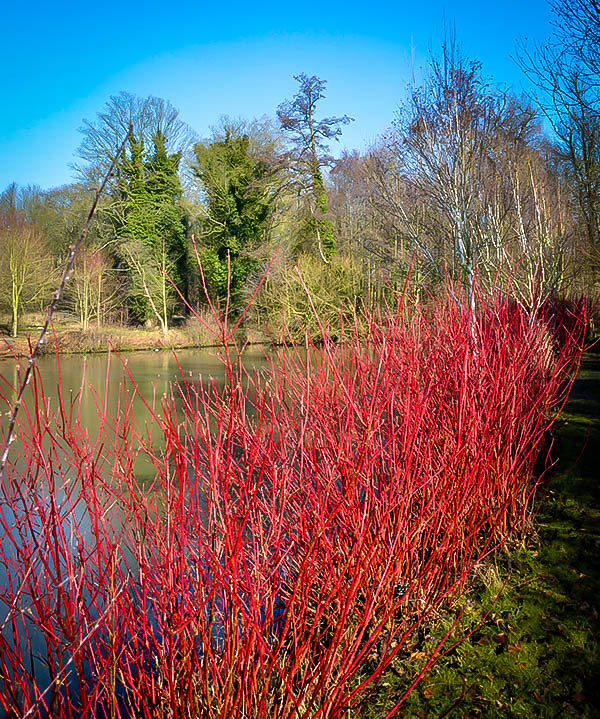
Red Twig Dogwood grows as a deciduous shrub with an upright, somewhat spreading habit that reaches maturity at around 7 to 9 feet tall and wide, though it’s easily managed through pruning. The summer foliage is a soft, unremarkable green—nothing flashy, nothing demanding your attention. But that’s the point. Come fall, those leaves shift to a muted burgundy before dropping completely. Then the real show begins. The stems themselves emerge in brilliant crimson red, intensifying as temperatures drop. In the depths of Connecticut’s winters, when snow accumulates on those scarlet branches, you’re looking at something truly spectacular—the kind of living artwork that justifies a whole section of the garden.

Growing it in your garden

This is where Red Twig Dogwood becomes a gardener’s best friend. It’s remarkably unfussy about soil conditions and will thrive in spots where other shrubs struggle. Wet areas? Perfect. Heavy clay? No problem. Sandy soil? It’ll make do. It handles partial shade beautifully and will even tolerate full sun, though the red coloration tends to be most intense with at least a few hours of direct light. Plant it in spring or fall, water it well during its establishment year, and then mostly let it do its thing. This is a plant that actually prefers you don’t fuss over it too much.

Through the seasons

Spring brings delicate white flower clusters—nothing showy, but they’re there if you look closely, and they attract pollinators. Summer is when the plant fills out with those soft green leaves, creating a neutral backdrop in the garden that lets other plants shine. Autumn transitions beautifully, with foliage turning wine-red before dropping. But it’s winter when Red Twig Dogwood becomes your garden’s star. Those bare red branches glow against snow, catch the low winter sun, and provide structure and color during months when the landscape desperately needs both. In early spring, cut back hard—this encourages the brightest red growth for the following season.

Where it shines

Red Twig Dogwood is at its best in moist areas of your garden—near rain gardens, along stream banks, or in low spots that stay damp in spring. Plant several together for a grouped effect that’s absolutely stunning in winter, or use it as a backdrop planting where its fine summer texture won’t compete with showier perennials. It’s extraordinary along property lines, where its winter color adds privacy and visual interest. In Connecticut gardens, it works beautifully in naturalistic settings, paired with evergreens that highlight its winter brilliance, or even in more formal designs where you want seasonal drama with a refined edge.

Perfect companions

Pair Red Twig Dogwood with evergreens like Eastern Red Cedar or dwarf conifers to create contrast that emphasizes the winter color. White-barked birches planted nearby create a striking partnership. Underneath, plant shade-tolerant perennials like Hellebores, Astilbe, or native ferns that add texture without competing for attention. Variegated shrubs like Variegated Boxwood also work beautifully nearby, their lighter foliage picking up the brightness of the dogwood’s stems. In spring, underplant with early bulbs—Snowdrops and Crocus look lovely emerging near the branch base.

Care tips

The secret to the most vibrant red stems is hard pruning in early spring. Cut about one-third of the oldest canes down to within a few inches of the ground. This rejuvenates the plant, encourages new growth (which displays the brightest color), and maintains a shapely form. Water regularly during the first year after planting and during extended dry spells, though once established, Red Twig Dogwood is quite drought-tolerant. It’s naturally disease-resistant and pest-resistant—this is a plant that genuinely doesn’t need much from you beyond patience and occasional pruning.

Quick facts

  • Hardiness Zone: 2-8 (thrives throughout Connecticut)
  • Mature Height & Spread: 7-9 feet tall, 7-9 feet wide
  • Bloom Season: Late spring (white flowers)
  • Light Requirements: Full sun to partial shade
  • Water Needs: Moderate to high; prefers consistent moisture
  • Available at: Both our retail and wholesale locations
Red Twig Dogwood

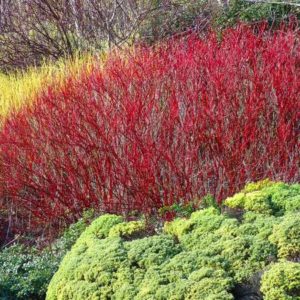
Red twig dogwood will brighten your winter landscaping with its bright red branches, but the shrubs can also provide year-round interest, with beautiful spring blossoms, variegated leaves during summer, and berries from summer to fall.

Description

Red Twig Dogwood

CORNUS ALBA ‘SIBIRICA’

If you’ve been searching for something that handles wet soil, deep shade, and Connecticut winters without complaint, while also delivering serious visual drama—meet your new garden essential. Red Twig Dogwood isn’t just another shrub. It’s a four-season performer that transforms from understated greenery into a glowing beacon of crimson branches the moment autumn arrives, then steals the show all winter long when everything else has faded to brown. In a New England garden, this is the plant that makes people stop and ask, “What is that?”

What it looks like

Red Twig Dogwood grows as a deciduous shrub with an upright, somewhat spreading habit that reaches maturity at around 7 to 9 feet tall and wide, though it’s easily managed through pruning. The summer foliage is a soft, unremarkable green—nothing flashy, nothing demanding your attention. But that’s the point. Come fall, those leaves shift to a muted burgundy before dropping completely. Then the real show begins. The stems themselves emerge in brilliant crimson red, intensifying as temperatures drop. In the depths of Connecticut’s winters, when snow accumulates on those scarlet branches, you’re looking at something truly spectacular—the kind of living artwork that justifies a whole section of the garden.

Growing it in your garden

This is where Red Twig Dogwood becomes a gardener’s best friend. It’s remarkably unfussy about soil conditions and will thrive in spots where other shrubs struggle. Wet areas? Perfect. Heavy clay? No problem. Sandy soil? It’ll make do. It handles partial shade beautifully and will even tolerate full sun, though the red coloration tends to be most intense with at least a few hours of direct light. Plant it in spring or fall, water it well during its establishment year, and then mostly let it do its thing. This is a plant that actually prefers you don’t fuss over it too much.

Through the seasons

Spring brings delicate white flower clusters—nothing showy, but they’re there if you look closely, and they attract pollinators. Summer is when the plant fills out with those soft green leaves, creating a neutral backdrop in the garden that lets other plants shine. Autumn transitions beautifully, with foliage turning wine-red before dropping. But it’s winter when Red Twig Dogwood becomes your garden’s star. Those bare red branches glow against snow, catch the low winter sun, and provide structure and color during months when the landscape desperately needs both. In early spring, cut back hard—this encourages the brightest red growth for the following season.

Where it shines

Red Twig Dogwood is at its best in moist areas of your garden—near rain gardens, along stream banks, or in low spots that stay damp in spring. Plant several together for a grouped effect that’s absolutely stunning in winter, or use it as a backdrop planting where its fine summer texture won’t compete with showier perennials. It’s extraordinary along property lines, where its winter color adds privacy and visual interest. In Connecticut gardens, it works beautifully in naturalistic settings, paired with evergreens that highlight its winter brilliance, or even in more formal designs where you want seasonal drama with a refined edge.

Perfect companions

Pair Red Twig Dogwood with evergreens like Eastern Red Cedar or dwarf conifers to create contrast that emphasizes the winter color. White-barked birches planted nearby create a striking partnership. Underneath, plant shade-tolerant perennials like Hellebores, Astilbe, or native ferns that add texture without competing for attention. Variegated shrubs like Variegated Boxwood also work beautifully nearby, their lighter foliage picking up the brightness of the dogwood’s stems. In spring, underplant with early bulbs—Snowdrops and Crocus look lovely emerging near the branch base.

Care tips

The secret to the most vibrant red stems is hard pruning in early spring. Cut about one-third of the oldest canes down to within a few inches of the ground. This rejuvenates the plant, encourages new growth (which displays the brightest color), and maintains a shapely form. Water regularly during the first year after planting and during extended dry spells, though once established, Red Twig Dogwood is quite drought-tolerant. It’s naturally disease-resistant and pest-resistant—this is a plant that genuinely doesn’t need much from you beyond patience and occasional pruning.

Quick facts

  • Hardiness Zone: 2-8 (thrives throughout Connecticut)
  • Mature Height & Spread: 7-9 feet tall, 7-9 feet wide
  • Bloom Season: Late spring (white flowers)
  • Light Requirements: Full sun to partial shade
  • Water Needs: Moderate to high; prefers consistent moisture
  • Available at: Both our retail and wholesale locations