PRUNUS SUBHIRTELLA ‘SNOW FOUNTAINS’

Imagine a delicate cascade of pure white blossoms tumbling downward like a fountain frozen mid-flow. That’s Snow Fountains Weeping Cherry—a tree that stops people mid-stride on their morning walks, that has neighbors peeking over fences, that makes you genuinely grateful you decided to plant it. This isn’t just another ornamental cherry. This is the one that turns your spring garden into something people will talk about for weeks.

What it looks like

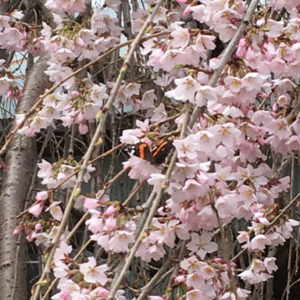
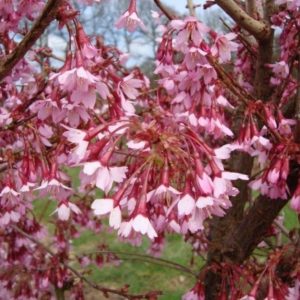
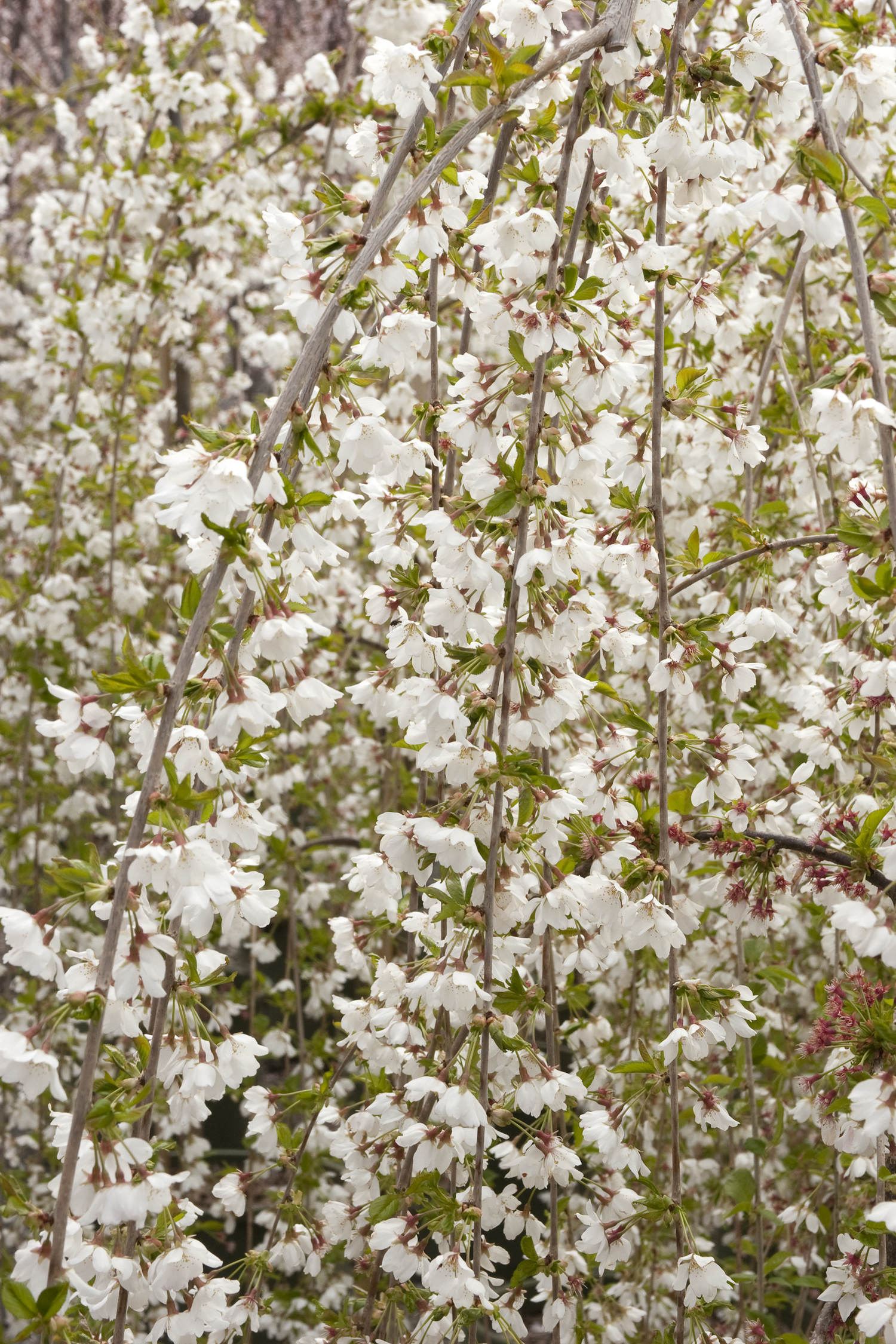
Snow Fountains is the definition of graceful. Its long, weeping branches arch downward in a natural fountain shape, reaching toward the ground with an almost ballet-like elegance. In mid to late spring, those branches become absolutely smothered in delicate double flowers—each one pure white with that characteristic cherry-blossom perfection that feels almost impossibly dainty. The foliage follows, emerging as fresh green leaves that provide a soft, fine-textured backdrop through summer. In autumn, those leaves turn a subtle golden-bronze before dropping, revealing the tree’s lovely arching branching structure through winter.

Growing it in your garden

Here’s what gardeners in Connecticut love about Snow Fountains: it’s surprisingly willing to grow with you. Plant it in a spot with full sun to partial shade—though it’ll flower most generously with at least 6 hours of direct sunlight daily. The tree prefers well-draining soil but isn’t fussy about pH. What matters most is avoiding waterlogged conditions, which our New England springs occasionally test. If you’re concerned about drainage, amend your planting hole with compost and make sure water doesn’t pool around the base.

The weeping form naturally creates a graceful shape without much intervention, though you can gently remove any branches that cross or crowd to maintain that fountain effect. Spring pruning, right after flowering, is the ideal time if you need to shape anything.

Through the seasons

Spring is obviously the showstopper moment—those cascading white flowers against the emerging green landscape are absolutely breathtaking, typically appearing in May. But Snow Fountains offers something through every season. Summer brings soft, refined foliage and a cool, shaded sitting spot beneath those arching branches. Fall delivers those golden-bronze tones, and winter reveals the tree’s architectural bones—that elegant weeping form becomes a sculptural element in your garden, especially beautiful after a light snow or frosting.

Where it shines

Plant Snow Fountains where you can really see it. A focal point in the landscape, visible from a window, or at the edge of a patio where you’ll walk past it regularly—that’s where this tree performs magic. It’s wonderful as a specimen plant, perhaps surrounded by shade-tolerant perennials or ferns that appreciate the dappled light it casts. It works beautifully near water features, where its reflection doubles the visual impact. In smaller Connecticut gardens, its upright form with weeping branches is more space-efficient than many spreading trees, making it perfect for corners or areas where you want presence without overwhelming the space.

Perfect companions

Let Snow Fountains be the star, but support it with thoughtful plantings beneath and around it. Shade-loving hostas, Japanese forest grass (HAKONECHLOA MACRA), and hellebores appreciate the dappled sunlight it provides and echo its refined aesthetic. Underplant with spring bulbs—daffodils, grape hyacinths, or hellebores—so color continues after the cherry’s bloom finishes. Nearby, early-flowering shrubs like forsythia or flowering quince create a spring moment that’s purely spectacular.

Care tips

Water regularly during the first growing season to establish a deep root system. Once established, Snow Fountains is fairly drought-tolerant, though it appreciates consistent moisture during Connecticut’s sometimes-erratic springs. A 2-3 inch layer of mulch around the base (kept a few inches back from the trunk) helps regulate soil temperature and moisture. Fertilizing isn’t necessary; a healthy tree is your best defense against the occasional pest. Monitor for aphids in spring—a strong spray from the hose usually handles it. Otherwise, this tree is remarkably low-maintenance.

Quick facts

  • Hardiness Zone: 5-8 (thrives throughout Connecticut)
  • Mature Height & Spread: 20-30 feet tall, 15-20 feet wide at the branch tips
  • Bloom Season: Mid to late spring (May)
  • Light Requirements: Full sun to partial shade (6+ hours sunlight preferred)
  • Water Needs: Moderate; prefers consistent moisture, avoid waterlogged soil
  • Available at: Both our retail and wholesale locations
Snow Fountains Weeping Cherry

Category:

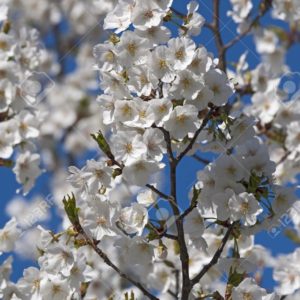
A white flowering weeping hybrid, symmetrical in shape with dense branching. Uniformly spaced from graft, great specimen plant.

Zoning: 5-8
Mature Height and Spread: 6-12’

Description

PRUNUS SUBHIRTELLA ‘SNOW FOUNTAINS’

Imagine a delicate cascade of pure white blossoms tumbling downward like a fountain frozen mid-flow. That’s Snow Fountains Weeping Cherry—a tree that stops people mid-stride on their morning walks, that has neighbors peeking over fences, that makes you genuinely grateful you decided to plant it. This isn’t just another ornamental cherry. This is the one that turns your spring garden into something people will talk about for weeks.

What it looks like

Snow Fountains is the definition of graceful. Its long, weeping branches arch downward in a natural fountain shape, reaching toward the ground with an almost ballet-like elegance. In mid to late spring, those branches become absolutely smothered in delicate double flowers—each one pure white with that characteristic cherry-blossom perfection that feels almost impossibly dainty. The foliage follows, emerging as fresh green leaves that provide a soft, fine-textured backdrop through summer. In autumn, those leaves turn a subtle golden-bronze before dropping, revealing the tree’s lovely arching branching structure through winter.

Growing it in your garden

Here’s what gardeners in Connecticut love about Snow Fountains: it’s surprisingly willing to grow with you. Plant it in a spot with full sun to partial shade—though it’ll flower most generously with at least 6 hours of direct sunlight daily. The tree prefers well-draining soil but isn’t fussy about pH. What matters most is avoiding waterlogged conditions, which our New England springs occasionally test. If you’re concerned about drainage, amend your planting hole with compost and make sure water doesn’t pool around the base.

The weeping form naturally creates a graceful shape without much intervention, though you can gently remove any branches that cross or crowd to maintain that fountain effect. Spring pruning, right after flowering, is the ideal time if you need to shape anything.

Through the seasons

Spring is obviously the showstopper moment—those cascading white flowers against the emerging green landscape are absolutely breathtaking, typically appearing in May. But Snow Fountains offers something through every season. Summer brings soft, refined foliage and a cool, shaded sitting spot beneath those arching branches. Fall delivers those golden-bronze tones, and winter reveals the tree’s architectural bones—that elegant weeping form becomes a sculptural element in your garden, especially beautiful after a light snow or frosting.

Where it shines

Plant Snow Fountains where you can really see it. A focal point in the landscape, visible from a window, or at the edge of a patio where you’ll walk past it regularly—that’s where this tree performs magic. It’s wonderful as a specimen plant, perhaps surrounded by shade-tolerant perennials or ferns that appreciate the dappled light it casts. It works beautifully near water features, where its reflection doubles the visual impact. In smaller Connecticut gardens, its upright form with weeping branches is more space-efficient than many spreading trees, making it perfect for corners or areas where you want presence without overwhelming the space.

Perfect companions

Let Snow Fountains be the star, but support it with thoughtful plantings beneath and around it. Shade-loving hostas, Japanese forest grass (HAKONECHLOA MACRA), and hellebores appreciate the dappled sunlight it provides and echo its refined aesthetic. Underplant with spring bulbs—daffodils, grape hyacinths, or hellebores—so color continues after the cherry’s bloom finishes. Nearby, early-flowering shrubs like forsythia or flowering quince create a spring moment that’s purely spectacular.

Care tips

Water regularly during the first growing season to establish a deep root system. Once established, Snow Fountains is fairly drought-tolerant, though it appreciates consistent moisture during Connecticut’s sometimes-erratic springs. A 2-3 inch layer of mulch around the base (kept a few inches back from the trunk) helps regulate soil temperature and moisture. Fertilizing isn’t necessary; a healthy tree is your best defense against the occasional pest. Monitor for aphids in spring—a strong spray from the hose usually handles it. Otherwise, this tree is remarkably low-maintenance.

Quick facts

  • Hardiness Zone: 5-8 (thrives throughout Connecticut)
  • Mature Height & Spread: 20-30 feet tall, 15-20 feet wide at the branch tips
  • Bloom Season: Mid to late spring (May)
  • Light Requirements: Full sun to partial shade (6+ hours sunlight preferred)
  • Water Needs: Moderate; prefers consistent moisture, avoid waterlogged soil
  • Available at: Both our retail and wholesale locations