Snow Goose Cherry

PRUNUS X ‘SNOW GOOSE’

Picture this: it’s mid-April in Connecticut, and your garden suddenly looks like it’s been dusted with fresh snow—except it’s warmth and life unfolding on every branch. The Snow Goose Cherry does something truly magical in spring: it covers itself so completely in pristine white blossoms that you can barely see the branches underneath. If you’ve driven past those trees that make you pull over just to stare, there’s a good chance it was a flowering cherry, and Snow Goose might just be the most generous bloomer we can grow in our climate.

What it looks like

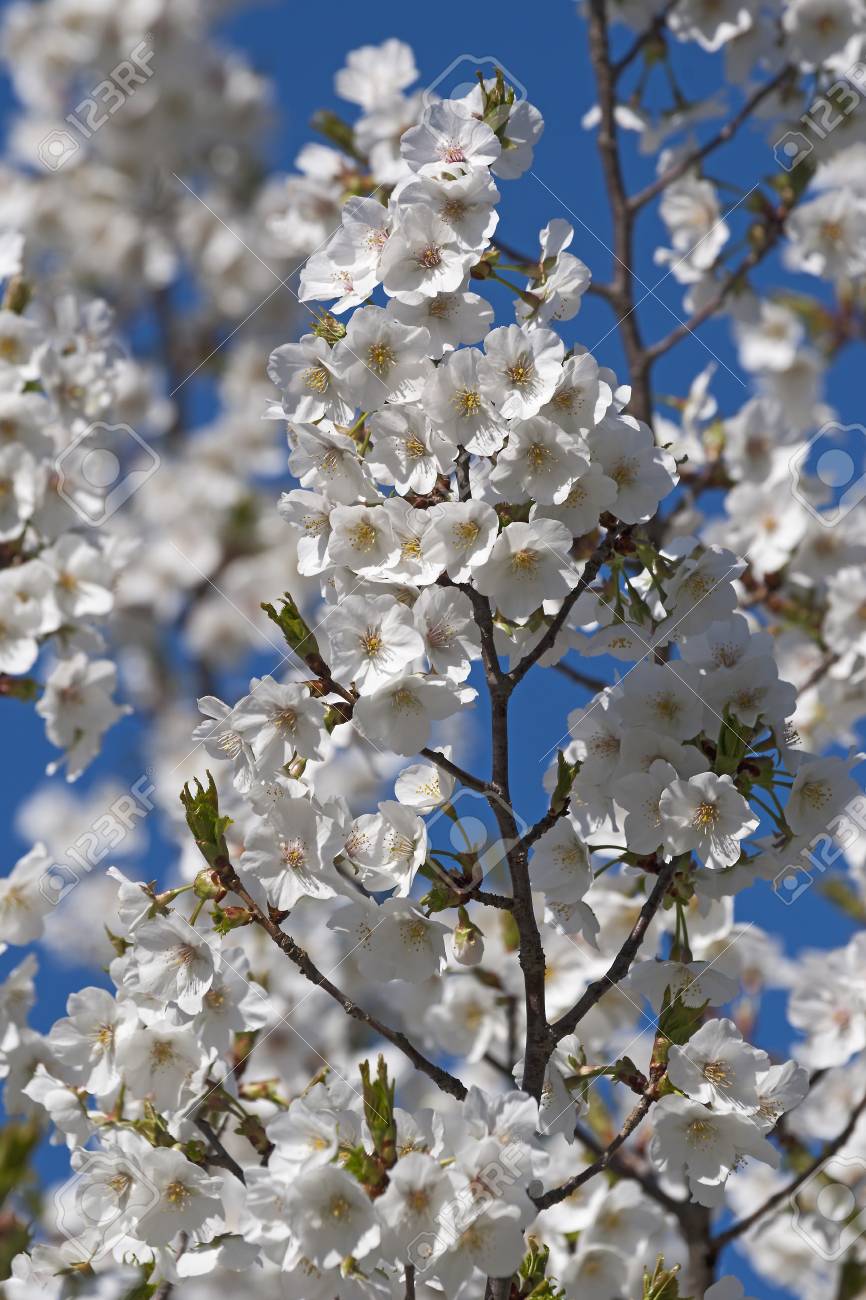
Snow Goose is an ornamental cherry that grows as a multi-stemmed small tree or large shrub, typically reaching 15-20 feet tall with a slightly spreading, vase-shaped habit. The magic happens in spring when thousands of semi-double white flowers explode across the plant. These aren’t delicate, sparse blooms—they’re abundant, showy, and genuinely stop people in their tracks. The flowers have that classic cherry blossom form, but Snow Goose is bred to be exceptionally floriferous, meaning every inch of the plant participates in the spring show.

After the flowers fade, dark green foliage emerges and provides a handsome backdrop through summer and into fall, when leaves shift to warm bronze and burgundy tones. The branching structure is elegant even in winter, with graceful spreading limbs that add architectural interest to the dormant landscape.

Growing it in your garden

Here’s what makes Snow Goose such a reliable performer: it’s been selected specifically for ornamental character and hardiness in temperate climates. This is a tree that works in Connecticut gardens. It prefers full sun—six to eight hours minimum—where it’ll produce the most abundant blooms. Plant in well-draining soil; while Snow Goose can handle average soil conditions better than some ornamental cherries, it rewards good drainage with healthier growth and better flowering.

Give this plant room to spread naturally; it develops a graceful habit when left to its own devices rather than being heavily pruned. The vase-shaped form actually fills gaps in landscapes beautifully and provides vertical interest without demanding a tight columnar shape.

Through the seasons

Spring is obviously Snow Goose’s grand moment—those weeks in late April when the flowers appear are what you’ll plan your garden around. But there’s more to this plant’s calendar than that glorious spring show. Summer brings that clean green foliage and a sense of structure to the garden even as other plants reach their peak. By mid-summer, you might notice the understated elegance of the branching pattern and the way light filters through the canopy.

Fall foliage is a pleasant surprise for many gardeners—the burgundy and bronze tones add warmth without being theatrical. Winter reveals the tree’s form and branching structure, which is genuinely beautiful in that skeletal, architectural way that good trees possess. Even leafless, Snow Goose has presence.

Where it shines

Plant Snow Goose where you’ll see it from your house, especially from windows you look out during that magical bloom time. It’s a focal point tree, meaning it deserves a position of prominence. Use it as a specimen planting in a lawn, position it to frame a view, or plant it where you’ll pass it regularly on walks through your property. It’s also spectacular along pathways or in informal woodland gardens where its natural spreading habit can develop fully.

Snow Goose works equally well in contemporary landscapes and classic gardens. Its elegant form and refined bloom season make it a sophisticated choice rather than a showy ornament, despite all that white color.

Perfect companions

Plant shade-tolerant perennials and shrubs beneath and around Snow Goose. Hostas, hellebores, and woodland sedges appreciate the dappled shade the tree provides in summer. Spring bulbs—particularly bleeding heart and early tulips—bloom alongside the cherry blossoms and extend the spring show into the ground layer. Underplant with shade-tolerant evergreen shrubs like boxwood or Japanese holly to create year-round structure beneath the canopy.

Care tips

Prune only to remove dead wood or awkwardly crossing branches; Snow Goose develops its best shape with minimal intervention. If you do need to prune, do it immediately after flowering, before the tree sets next year’s bloom buds. Water regularly the first year as roots establish, then Snow Goose becomes fairly drought-tolerant in New England conditions.

Watch for the common pest and disease issues that affect ornamental cherries in our region—spider mites during hot, dry spells and occasionally black knot fungus on branches. Good air circulation (another reason not to crowd it) helps prevent fungal problems. If black knot appears, prune out affected branches in winter.

Quick facts

  • Hardiness Zone: 4-8
  • Mature Height & Spread: 15-20 feet tall, 12-18 feet wide
  • Bloom Season: Late April through early May
  • Light Requirements: Full sun for best flowering
  • Water Needs: Moderate; drought-tolerant once established
  • Available at: Both our retail and wholesale locations
Snow Goose Cherry

Category:

Upright vase shape with white flowers, bright green foliage.

Zoning: 5
Trunk Diameter: 2”, 2.5”, 3”, 3.5”

Description

Snow Goose Cherry

PRUNUS X ‘SNOW GOOSE’

Picture this: it’s mid-April in Connecticut, and your garden suddenly looks like it’s been dusted with fresh snow—except it’s warmth and life unfolding on every branch. The Snow Goose Cherry does something truly magical in spring: it covers itself so completely in pristine white blossoms that you can barely see the branches underneath. If you’ve driven past those trees that make you pull over just to stare, there’s a good chance it was a flowering cherry, and Snow Goose might just be the most generous bloomer we can grow in our climate.

What it looks like

Snow Goose is an ornamental cherry that grows as a multi-stemmed small tree or large shrub, typically reaching 15-20 feet tall with a slightly spreading, vase-shaped habit. The magic happens in spring when thousands of semi-double white flowers explode across the plant. These aren’t delicate, sparse blooms—they’re abundant, showy, and genuinely stop people in their tracks. The flowers have that classic cherry blossom form, but Snow Goose is bred to be exceptionally floriferous, meaning every inch of the plant participates in the spring show.

After the flowers fade, dark green foliage emerges and provides a handsome backdrop through summer and into fall, when leaves shift to warm bronze and burgundy tones. The branching structure is elegant even in winter, with graceful spreading limbs that add architectural interest to the dormant landscape.

Growing it in your garden

Here’s what makes Snow Goose such a reliable performer: it’s been selected specifically for ornamental character and hardiness in temperate climates. This is a tree that works in Connecticut gardens. It prefers full sun—six to eight hours minimum—where it’ll produce the most abundant blooms. Plant in well-draining soil; while Snow Goose can handle average soil conditions better than some ornamental cherries, it rewards good drainage with healthier growth and better flowering.

Give this plant room to spread naturally; it develops a graceful habit when left to its own devices rather than being heavily pruned. The vase-shaped form actually fills gaps in landscapes beautifully and provides vertical interest without demanding a tight columnar shape.

Through the seasons

Spring is obviously Snow Goose’s grand moment—those weeks in late April when the flowers appear are what you’ll plan your garden around. But there’s more to this plant’s calendar than that glorious spring show. Summer brings that clean green foliage and a sense of structure to the garden even as other plants reach their peak. By mid-summer, you might notice the understated elegance of the branching pattern and the way light filters through the canopy.

Fall foliage is a pleasant surprise for many gardeners—the burgundy and bronze tones add warmth without being theatrical. Winter reveals the tree’s form and branching structure, which is genuinely beautiful in that skeletal, architectural way that good trees possess. Even leafless, Snow Goose has presence.

Where it shines

Plant Snow Goose where you’ll see it from your house, especially from windows you look out during that magical bloom time. It’s a focal point tree, meaning it deserves a position of prominence. Use it as a specimen planting in a lawn, position it to frame a view, or plant it where you’ll pass it regularly on walks through your property. It’s also spectacular along pathways or in informal woodland gardens where its natural spreading habit can develop fully.

Snow Goose works equally well in contemporary landscapes and classic gardens. Its elegant form and refined bloom season make it a sophisticated choice rather than a showy ornament, despite all that white color.

Perfect companions

Plant shade-tolerant perennials and shrubs beneath and around Snow Goose. Hostas, hellebores, and woodland sedges appreciate the dappled shade the tree provides in summer. Spring bulbs—particularly bleeding heart and early tulips—bloom alongside the cherry blossoms and extend the spring show into the ground layer. Underplant with shade-tolerant evergreen shrubs like boxwood or Japanese holly to create year-round structure beneath the canopy.

Care tips

Prune only to remove dead wood or awkwardly crossing branches; Snow Goose develops its best shape with minimal intervention. If you do need to prune, do it immediately after flowering, before the tree sets next year’s bloom buds. Water regularly the first year as roots establish, then Snow Goose becomes fairly drought-tolerant in New England conditions.

Watch for the common pest and disease issues that affect ornamental cherries in our region—spider mites during hot, dry spells and occasionally black knot fungus on branches. Good air circulation (another reason not to crowd it) helps prevent fungal problems. If black knot appears, prune out affected branches in winter.

Quick facts

  • Hardiness Zone: 4-8
  • Mature Height & Spread: 15-20 feet tall, 12-18 feet wide
  • Bloom Season: Late April through early May
  • Light Requirements: Full sun for best flowering
  • Water Needs: Moderate; drought-tolerant once established
  • Available at: Both our retail and wholesale locations