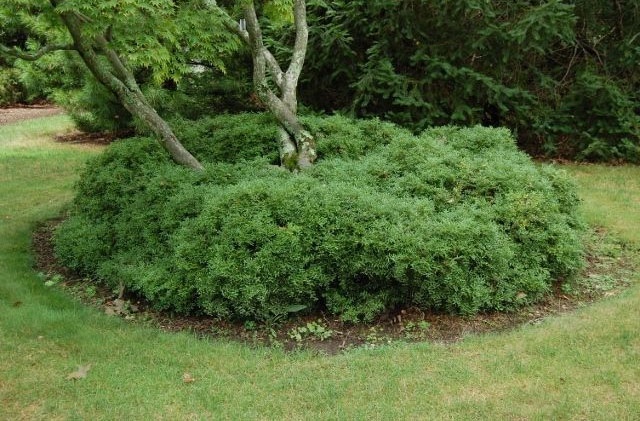
Tide Hill Boxwood

Oh, I absolutely adore Tide Hill Boxwood! If you’re looking for a boxwood that’s tough enough to handle our unpredictable New England winters while still looking absolutely gorgeous year-round, this is the one you need to get to know. BUXUS ‘Tide Hill’ is a real Connecticut gardener’s dream—it’s reliable, handsome, and versatile enough to work in nearly any landscape design you can imagine. Once you plant this beauty, you’ll wonder how you ever gardened without it!

What it looks like

Tide Hill Boxwood is a wonderful, densely branched evergreen shrub with that classic refined look that boxwoods are famous for. The foliage is a gorgeous dark green that maintains its color throughout even our coldest winters, and the leaves are small and tightly arranged along the stems, giving the whole plant a naturally neat appearance. The growth habit is naturally compact and rounded, creating an almost sculptural quality without requiring you to be a topiary artist. It has a sophisticated, polished look that somehow manages to be both formal and approachable—the kind of plant that makes your whole garden look more intentional and well-planned, even if you’re just starting out with your landscape design.

Growing it in your garden

Here’s what I love about Tide Hill—it’s adaptable and doesn’t fuss too much once it’s established. This boxwood prefers well-draining soil and actually performs better when the soil isn’t kept constantly soggy, which is important to remember here in Connecticut where we can get pretty wet springs. Plant it in a location with good air circulation, ideally with dappled afternoon shade if you’re in a hotter part of the state, though it’s quite tolerant of full sun to part shade. In our New England climate, afternoon shade can actually help prevent winter damage and sun scald, those brown patches that sometimes appear on evergreens after harsh winter weather. Give it some space to breathe—don’t crowd it against other plants or structures. And while it’s wonderfully hardy for our zone, protecting it from harsh winter winds with a burlap screen during its first couple of years helps it get established strong and healthy.

Through the seasons

What makes Tide Hill such a star in a Connecticut garden is its year-round presence and reliability. Spring brings fresh, vibrant foliage that practically glows with deep green color. Summer is when this beauty really shines as a structure plant—while everything else is blooming and changing, your Tide Hill remains a steadfast, elegant focal point. Fall and winter are where it truly earns its place in our gardens. While deciduous plants are dropping their leaves and our landscapes can start to look a bit sparse by November, Tide Hill keeps its rich green color and maintains its compact form. It’s like having a living piece of garden architecture that holds everything together during those long months when we’re craving color and structure. It won’t put on a dramatic show, but that’s kind of the point—consistency and reliability are its superpowers.

Where it shines

Tide Hill Boxwood is remarkably versatile, which is why it’s become such a staple in Connecticut gardens. It’s perfect for creating low hedges along walkways, defining garden beds, or framing doorways with that classic New England cottage garden charm. I also love using it as a specimen plant in a foundation planting where you want something that looks good from every angle. Because of its dense branching and manageable size, it’s ideal for smaller spaces where you still want year-round structure and interest. It works beautifully in formal gardens, cottage gardens, and contemporary landscapes—honestly, wherever you need a dependable evergreen, Tide Hill steps up to the plate. It’s also excellent in containers on a patio or entryway, where it can anchor your seasonal plantings throughout the year.

Perfect companions

I love pairing Tide Hill with spring bulbs—imagine bright tulips or daffodils emerging right in front of your boxwood in spring! In a mixed border, it looks stunning next to shade-tolerant perennials like hellebores, coral bells, and hostas. For a more formal look, combine several Tide Hills at varying distances to create rhythm and structure. They also play beautifully with ornamental grasses, ornamental conifers in contrasting colors, and other broadleaf evergreens. In a foundation planting, underplant it with shade-tolerant groundcovers like creeping phlox or woodland plants that appreciate the filtered light the boxwood provides. The key is letting Tide Hill be your anchor while other plants provide seasonal color and texture around it.

Care tips

Tide Hill is refreshingly low-maintenance compared to many ornamentals. Water regularly during the first growing season to help establish a strong root system, then it becomes quite drought-tolerant once established, though in our hot, dry Connecticut summers, occasional deep watering is appreciated. Pruning isn’t necessary if you like its natural form, but it responds beautifully to light shaping in late spring if you want to maintain a tighter appearance. Avoid heavy pruning in late summer or fall, as this can stimulate new tender growth that might get damaged by our cold winters. Watch for spider mites in hot, dry locations and provide good air circulation to prevent fungal issues. A light application of balanced fertilizer in early spring supports healthy growth. And here’s a pro tip: if you do get winter damage from harsh weather or salt spray near roads, wait until new growth appears in spring to prune out any damaged branches.

Quick facts

  • Hardiness Zone: Zones 5-9 (thrives throughout Connecticut)
  • Mature Height & Spread: 3-4 feet tall and wide
  • Bloom Season: Evergreen; insignificant spring flowers
  • Light Requirements: Full sun to part shade
  • Water Needs: Moderate; prefers well-draining soil
  • Available at: Both our retail and wholesale locations.

Tide Hill Boxwood

Tide Hill’ is a dwarf, spreading Korean boxwood cultivar that typically grows to 1′ tall and to 4-5′ wide over 20 years. Sometimes sold as Buxus microphylla ‘Tide Hill’ or Buxus microphylla var.

Pot Size (gallons), Height: #2

Description

Tide Hill Boxwood

Oh, I absolutely adore Tide Hill Boxwood! If you’re looking for a boxwood that’s tough enough to handle our unpredictable New England winters while still looking absolutely gorgeous year-round, this is the one you need to get to know. BUXUS ‘Tide Hill’ is a real Connecticut gardener’s dream—it’s reliable, handsome, and versatile enough to work in nearly any landscape design you can imagine. Once you plant this beauty, you’ll wonder how you ever gardened without it!

What it looks like

Tide Hill Boxwood is a wonderful, densely branched evergreen shrub with that classic refined look that boxwoods are famous for. The foliage is a gorgeous dark green that maintains its color throughout even our coldest winters, and the leaves are small and tightly arranged along the stems, giving the whole plant a naturally neat appearance. The growth habit is naturally compact and rounded, creating an almost sculptural quality without requiring you to be a topiary artist. It has a sophisticated, polished look that somehow manages to be both formal and approachable—the kind of plant that makes your whole garden look more intentional and well-planned, even if you’re just starting out with your landscape design.

Growing it in your garden

Here’s what I love about Tide Hill—it’s adaptable and doesn’t fuss too much once it’s established. This boxwood prefers well-draining soil and actually performs better when the soil isn’t kept constantly soggy, which is important to remember here in Connecticut where we can get pretty wet springs. Plant it in a location with good air circulation, ideally with dappled afternoon shade if you’re in a hotter part of the state, though it’s quite tolerant of full sun to part shade. In our New England climate, afternoon shade can actually help prevent winter damage and sun scald, those brown patches that sometimes appear on evergreens after harsh winter weather. Give it some space to breathe—don’t crowd it against other plants or structures. And while it’s wonderfully hardy for our zone, protecting it from harsh winter winds with a burlap screen during its first couple of years helps it get established strong and healthy.

Through the seasons

What makes Tide Hill such a star in a Connecticut garden is its year-round presence and reliability. Spring brings fresh, vibrant foliage that practically glows with deep green color. Summer is when this beauty really shines as a structure plant—while everything else is blooming and changing, your Tide Hill remains a steadfast, elegant focal point. Fall and winter are where it truly earns its place in our gardens. While deciduous plants are dropping their leaves and our landscapes can start to look a bit sparse by November, Tide Hill keeps its rich green color and maintains its compact form. It’s like having a living piece of garden architecture that holds everything together during those long months when we’re craving color and structure. It won’t put on a dramatic show, but that’s kind of the point—consistency and reliability are its superpowers.

Where it shines

Tide Hill Boxwood is remarkably versatile, which is why it’s become such a staple in Connecticut gardens. It’s perfect for creating low hedges along walkways, defining garden beds, or framing doorways with that classic New England cottage garden charm. I also love using it as a specimen plant in a foundation planting where you want something that looks good from every angle. Because of its dense branching and manageable size, it’s ideal for smaller spaces where you still want year-round structure and interest. It works beautifully in formal gardens, cottage gardens, and contemporary landscapes—honestly, wherever you need a dependable evergreen, Tide Hill steps up to the plate. It’s also excellent in containers on a patio or entryway, where it can anchor your seasonal plantings throughout the year.

Perfect companions

I love pairing Tide Hill with spring bulbs—imagine bright tulips or daffodils emerging right in front of your boxwood in spring! In a mixed border, it looks stunning next to shade-tolerant perennials like hellebores, coral bells, and hostas. For a more formal look, combine several Tide Hills at varying distances to create rhythm and structure. They also play beautifully with ornamental grasses, ornamental conifers in contrasting colors, and other broadleaf evergreens. In a foundation planting, underplant it with shade-tolerant groundcovers like creeping phlox or woodland plants that appreciate the filtered light the boxwood provides. The key is letting Tide Hill be your anchor while other plants provide seasonal color and texture around it.

Care tips

Tide Hill is refreshingly low-maintenance compared to many ornamentals. Water regularly during the first growing season to help establish a strong root system, then it becomes quite drought-tolerant once established, though in our hot, dry Connecticut summers, occasional deep watering is appreciated. Pruning isn’t necessary if you like its natural form, but it responds beautifully to light shaping in late spring if you want to maintain a tighter appearance. Avoid heavy pruning in late summer or fall, as this can stimulate new tender growth that might get damaged by our cold winters. Watch for spider mites in hot, dry locations and provide good air circulation to prevent fungal issues. A light application of balanced fertilizer in early spring supports healthy growth. And here’s a pro tip: if you do get winter damage from harsh weather or salt spray near roads, wait until new growth appears in spring to prune out any damaged branches.

Quick facts

  • Hardiness Zone: Zones 5-9 (thrives throughout Connecticut)
  • Mature Height & Spread: 3-4 feet tall and wide
  • Bloom Season: Evergreen; insignificant spring flowers
  • Light Requirements: Full sun to part shade
  • Water Needs: Moderate; prefers well-draining soil
  • Available at: Both our retail and wholesale locations.