
Description
VINCA MINOR
If you’ve been searching for a groundcover that handles the toughest Connecticut growing conditions—shade so deep other plants give up, compacted soil, dry root competition under trees—Vinca Minor is your answer. This little evergreen powerhouse has been quietly solving gardening problems for centuries, and it deserves a spot in every New England garden that needs reliable coverage. It won’t steal the show with flashy blooms, but what it will do is transform bare, difficult spaces into lush, living carpets that actually look beautiful year-round.
What it looks like
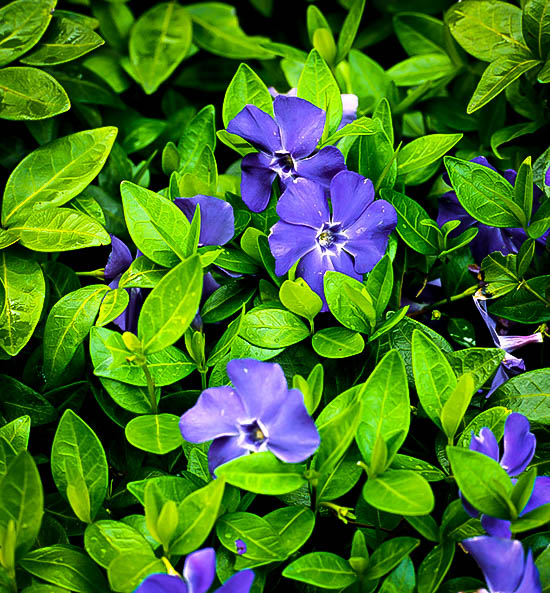
VINCA MINOR is delicate but sturdy, with small, glossy, oval leaves that remain green and vibrant even through harsh Connecticut winters. The foliage grows in a neat, trailing habit that spreads horizontally, creating a dense mat typically 4 to 6 inches tall. In spring—usually April through May in our region—it produces charming five-petaled flowers in shades of purple-blue, lavender, or white, depending on the variety. These little blooms practically cover the foliage, creating a carpet of color that belies how easy this plant is to grow. The overall effect is romantic, cottage-garden-ish, and far more sophisticated than you’d expect from such a low-maintenance performer.
Growing it in your garden
This is where VINCA MINOR really shines. It’s the plant you turn to when you’ve tried everything else and failed. Deep shade? It thrives there. Dry spots under mature maples and oaks? Its the answer. Compacted soil from foot traffic? No problem. It tolerates poor soil, clay, and even slightly acidic conditions that might challenge other plants. The only thing it genuinely dislikes is wet, boggy soil that stays saturated—but that’s a rare problem in Connecticut gardens.
Plant VINCA MINOR in spring or early fall for best establishment, spacing plants 12 inches apart for quicker coverage. Once it settles in, it’s remarkably self-sufficient. It will gradually spread via its trailing stems, eventually creating a seamless groundcover that suppresses weeds and requires minimal fussing. This is the kind of plant that makes gardeners look smarter than they actually are.
Through the seasons
Spring is when VINCA MINOR shows off, with those delightful blue-purple flowers creating an understated display that birds and early pollinators love. Throughout summer, the glossy foliage stays fresh and green, providing excellent coverage even in the shadiest corners of your garden. Fall brings no dramatic color change—that’s not VINCA MINOR’s style—but the leaves remain attractive and useful, creating evergreen interest when everything else is dormant. Winter is perhaps its most valuable season. While deciduous groundcovers disappear entirely, VINCA MINOR stays green and alive, providing essential winter structure and preventing the bare, exposed look that plagued areas often develop.
Where it shines
VINCA MINOR is the go-to for shaded woodland edges, under shrub borders, cascading down slopes, or filling in around the base of established trees. It’s perfect for problem areas where you’ve had trouble getting anything established. Use it to soften hardscapes, edge pathways, or create definition in shaded planting beds. Many gardeners love it in containers for its trailing habit, and it’s excellent for stabilizing banks or preventing erosion in difficult spots. In New England gardens, it’s often the difference between a bare, weedy problem area and a finished, intentional landscape.
Perfect companions
VINCA MINOR pairs beautifully with shade-loving perennials like Hellebores, Bleeding Heart, and Coral Bells. Plant it around the base of shade shrubs like Boxwood or Hydrangea to create a polished, layered look. It works wonderfully with hostas, providing a contrasting texture at ground level while the hostas provide vertical interest above. In spring, combine it with shade-tolerant bulbs like Snowdrops and Crocus for early season color that complements its own blooms.
Care tips
Once established, VINCA MINOR needs almost no maintenance. Water regularly during the first growing season to help it establish a strong root system, then it’s quite drought-tolerant. It doesn’t need fertilizing—poor soil is genuinely fine. You can trim it back in early spring if it gets too exuberant or encroaches on neighboring plants, but even that’s optional. It rarely succumbs to pests or diseases in Connecticut. The biggest thing you can do is plant it and then resist the urge to fuss with it. This is the plant that rewards neglect.
Quick facts
- Hardiness Zone: 4-9 (thrives throughout Connecticut and New England)
- Mature Height & Spread: 4-6 inches tall, spreads 12-24 inches annually
- Bloom Season: April through May
- Light Requirements: Full shade to part shade (actually prefers shade in warmer areas)
- Water Needs: Low once established; moderate during establishment
- Available at: Both our retail and wholesale locations