Robusta Green

ILEX X MESERVEAE ‘ROBUSTA GREEN’

Here’s what makes ROBUSTA GREEN such a quiet hero in the Connecticut garden: it’s a holly that actually delivers on every promise. No fussy watering schedules, no mysterious leaf drop, no “well, it does fine in theory” disclaimers. This hybrid holly works hard year-round, asking very little while giving you the kind of backbone structure that makes a garden feel intentional and mature. If you want the classic look of holly without the drama, this is your plant.

What it looks like

ROBUSTA GREEN is the definition of reliable elegance. It’s a dense, upright evergreen with glossy, deep forest-green leaves that catch the light beautifully, even on gray New England days. The foliage is typically spineless or nearly spineless—a practical detail that means you won’t draw blood reaching past it for something behind it. The plant grows in a compact, naturally pyramidal form that rarely needs aggressive pruning to look its best. In spring, small, inconspicuous white flowers appear, and if you have male and female plants together, the female ROBUSTA GREEN will reward you with clusters of bright red berries that persist well into winter, adding color when you need it most.

Growing it in your garden

ROBUSTA GREEN thrives in the kind of conditions that make Connecticut gardeners smile. It’s winter-hardy through zone 5, meaning it will stand strong through our cold snaps without breaking a sweat. The plant prefers slightly acidic, well-draining soil, but it’s more forgiving of clay than many ornamentals—this isn’t some prima donna that requires perfect conditions to survive. Give it full sun to partial shade, and it will respond with dense, healthy growth. It’s also quite tolerant of urban and suburban environments, handling pollution and salt spray better than many evergreens.

One of ROBUSTA GREEN’s greatest strengths is its ability to establish itself without constant fussing. Once planted, it settles in and develops into the strong specimen you’re hoping for. It’s not a slow grower, but it’s not racing either—it achieves its mature size at a measured, dignified pace that gives you time to plan your landscape around it.

Through the seasons

Spring brings those quiet flowers and fresh, vibrant growth. The emerging leaves seem to intensify the plant’s already-deep green color. Summer finds ROBUSTA GREEN looking absolutely solid and substantial, providing excellent screening and backdrop value. Fall sees the plant maintain its composure when so many others are shedding and fading—it stays as evergreen and steadfast as ever. Winter is when ROBUSTA GREEN truly shines. While deciduous plants around it stand bare, this holly maintains its structure and those brilliant red berries create stunning seasonal interest. The berries light up against snow and the dark green foliage, giving your winter landscape visual energy when it’s needed most.

Where it shines

ROBUSTA GREEN is exceptional as a hedge or screening plant—its naturally compact, upright form means you get good coverage without constant shearing. It also performs beautifully as a specimen plant where you want year-round structure and winter color. Use it along property lines, as a backdrop for more delicate plantings, or massed in groups of three or five for powerful visual impact. It’s ideal in mixed borders where its evergreen presence ties together seasonal bloomers and adds sophistication to the composition.

In New England gardens, where winter interest matters, ROBUSTA GREEN earns its space. Many gardeners plant it specifically for those red berries that persist through the coldest months.

Perfect companions

Pair ROBUSTA GREEN with deciduous shrubs that bloom in spring—native viburnums, serviceberries, and rhododendrons all look beautiful against its dark, steady backdrop. In winter, combine it with colorful-stemmed dogwoods, golden conifers, or white-barked birches for stunning contrast. It also looks sophisticated mixed with other broad-leaved evergreens like ILEX GLABRA (inkberry) or boxwoods. For underplanting, consider hellebores, shade-tolerant hostas, or epimediums that will soften the base while ROBUSTA GREEN creates the vertical architecture above.

Care tips

Water regularly during the first season to establish a strong root system, then ROBUSTA GREEN becomes quite drought-tolerant. Prune in early spring if you need to shape it or keep it to a specific size, but honestly, it often needs minimal intervention. If you want berries, you’ll need at least one male ILEX MESERVEAE (like BLUE PRINCE) planted nearby for pollination. No serious pest problems plague this plant in our climate, and it’s resistant to the diseases that trouble many ornamentals. Fertilize lightly in spring with a balanced, slow-release formula if your soil is poor, but established plants are rarely hungry.

Quick facts

  • Hardiness Zone: 5–9
  • Mature Height & Spread: 12–15 feet tall, 6–8 feet wide
  • Bloom Season: Late April through May
  • Light Requirements: Full sun to partial shade
  • Water Needs: Moderate; prefers consistent moisture but tolerates some drought once established
  • Available at: Both our retail and wholesale locations
Robusta Green

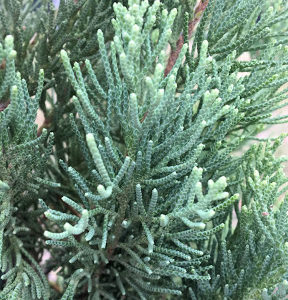
A wonderfully unique and acrhitectural shrub with an irregular upright form, rich green foliage that’s unusually tousled in clumps and bountiful dusty blue cones; quite slow growing, unique form is ideal for making a statement in the garden

Pot Size (gallons), Height: 10-12′

Description

Robusta Green

ILEX X MESERVEAE ‘ROBUSTA GREEN’

Here’s what makes ROBUSTA GREEN such a quiet hero in the Connecticut garden: it’s a holly that actually delivers on every promise. No fussy watering schedules, no mysterious leaf drop, no “well, it does fine in theory” disclaimers. This hybrid holly works hard year-round, asking very little while giving you the kind of backbone structure that makes a garden feel intentional and mature. If you want the classic look of holly without the drama, this is your plant.

What it looks like

ROBUSTA GREEN is the definition of reliable elegance. It’s a dense, upright evergreen with glossy, deep forest-green leaves that catch the light beautifully, even on gray New England days. The foliage is typically spineless or nearly spineless—a practical detail that means you won’t draw blood reaching past it for something behind it. The plant grows in a compact, naturally pyramidal form that rarely needs aggressive pruning to look its best. In spring, small, inconspicuous white flowers appear, and if you have male and female plants together, the female ROBUSTA GREEN will reward you with clusters of bright red berries that persist well into winter, adding color when you need it most.

Growing it in your garden

ROBUSTA GREEN thrives in the kind of conditions that make Connecticut gardeners smile. It’s winter-hardy through zone 5, meaning it will stand strong through our cold snaps without breaking a sweat. The plant prefers slightly acidic, well-draining soil, but it’s more forgiving of clay than many ornamentals—this isn’t some prima donna that requires perfect conditions to survive. Give it full sun to partial shade, and it will respond with dense, healthy growth. It’s also quite tolerant of urban and suburban environments, handling pollution and salt spray better than many evergreens.

One of ROBUSTA GREEN’s greatest strengths is its ability to establish itself without constant fussing. Once planted, it settles in and develops into the strong specimen you’re hoping for. It’s not a slow grower, but it’s not racing either—it achieves its mature size at a measured, dignified pace that gives you time to plan your landscape around it.

Through the seasons

Spring brings those quiet flowers and fresh, vibrant growth. The emerging leaves seem to intensify the plant’s already-deep green color. Summer finds ROBUSTA GREEN looking absolutely solid and substantial, providing excellent screening and backdrop value. Fall sees the plant maintain its composure when so many others are shedding and fading—it stays as evergreen and steadfast as ever. Winter is when ROBUSTA GREEN truly shines. While deciduous plants around it stand bare, this holly maintains its structure and those brilliant red berries create stunning seasonal interest. The berries light up against snow and the dark green foliage, giving your winter landscape visual energy when it’s needed most.

Where it shines

ROBUSTA GREEN is exceptional as a hedge or screening plant—its naturally compact, upright form means you get good coverage without constant shearing. It also performs beautifully as a specimen plant where you want year-round structure and winter color. Use it along property lines, as a backdrop for more delicate plantings, or massed in groups of three or five for powerful visual impact. It’s ideal in mixed borders where its evergreen presence ties together seasonal bloomers and adds sophistication to the composition.

In New England gardens, where winter interest matters, ROBUSTA GREEN earns its space. Many gardeners plant it specifically for those red berries that persist through the coldest months.

Perfect companions

Pair ROBUSTA GREEN with deciduous shrubs that bloom in spring—native viburnums, serviceberries, and rhododendrons all look beautiful against its dark, steady backdrop. In winter, combine it with colorful-stemmed dogwoods, golden conifers, or white-barked birches for stunning contrast. It also looks sophisticated mixed with other broad-leaved evergreens like ILEX GLABRA (inkberry) or boxwoods. For underplanting, consider hellebores, shade-tolerant hostas, or epimediums that will soften the base while ROBUSTA GREEN creates the vertical architecture above.

Care tips

Water regularly during the first season to establish a strong root system, then ROBUSTA GREEN becomes quite drought-tolerant. Prune in early spring if you need to shape it or keep it to a specific size, but honestly, it often needs minimal intervention. If you want berries, you’ll need at least one male ILEX MESERVEAE (like BLUE PRINCE) planted nearby for pollination. No serious pest problems plague this plant in our climate, and it’s resistant to the diseases that trouble many ornamentals. Fertilize lightly in spring with a balanced, slow-release formula if your soil is poor, but established plants are rarely hungry.

Quick facts

  • Hardiness Zone: 5–9
  • Mature Height & Spread: 12–15 feet tall, 6–8 feet wide
  • Bloom Season: Late April through May
  • Light Requirements: Full sun to partial shade
  • Water Needs: Moderate; prefers consistent moisture but tolerates some drought once established
  • Available at: Both our retail and wholesale locations