Description
AESCULUS GLABRA
What if you could grow a tree that thrives in Connecticut’s challenging soil conditions, offers four distinct seasons of visual interest, and practically takes care of itself? The Ohio Buckeye is that rare plant—a native Midwesterner that settles beautifully into New England gardens, asking for minimal fuss while delivering maximum charm. Unlike the more commonly planted horsechestnut varieties, AESCULUS GLABRA proves far more resilient to our climate extremes and soil variability. This is the tree that makes sense for gardeners who want something a little different, a little tougher, and entirely worth celebrating.
What it looks like
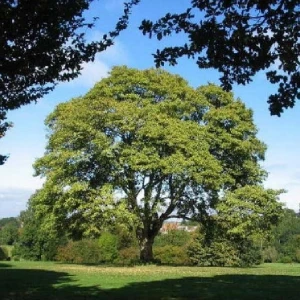
The Ohio Buckeye is a deciduous tree with a naturally rounded, spreading crown that feels generous without taking over your space. In spring, it emerges one of the earliest trees in the garden—almost shocking in its punctuality—with soft, velvety reddish buds that open into compound leaves of five to seven leaflets. The foliage itself is a lovely medium green that looks fresh and vibrant throughout summer.
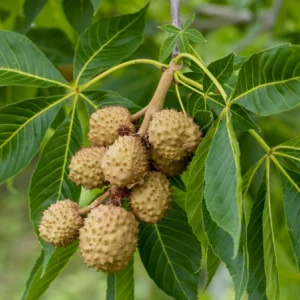
Then comes spring’s real showstopper: flowers appear on erect spikes before or just as the leaves fully unfurl, in shades of pale yellow-green with red stamens that add unexpected warmth. They’re subtle compared to the showy horsechestnuts, but they have a sophisticated charm. By autumn, the leaves turn a warm golden-yellow, and the distinctive buckeyes—the smooth, mahogany-brown nuts enclosed in warty husks—become prominent features. These are the “buckeyes” that give the tree its name, and kids (and honest gardeners) find them irresistible.
Growing it in your garden
This is where the Ohio Buckeye truly shines for Connecticut gardeners. Unlike its finicky cousin the horsechestnut, AESCULUS GLABRA doesn’t demand perfect conditions. It’s genuinely adaptable to a range of soil types—including the somewhat challenging clay-heavy soils found throughout Connecticut—and it actually tolerates both wet and dry conditions better than you’d expect from a tree this refined.
Plant it in full sun to part shade, though it’ll reach its most impressive flowering displays in sunnier locations. Space it where its spreading habit can develop naturally; you’re looking at a tree that wants room to breathe. One of the biggest appeals to New England gardeners is the Ohio Buckeye’s robust cold hardiness and resistance to the pest and disease pressures that plague some of its relatives. You won’t find yourself battling constant problems or applying sprays every season.
Through the seasons
Spring brings that delightful early emergence and charming flowers that draw pollinators into your garden. Early summer presents lush, soft green foliage—a cooling presence on the hottest days. By mid-summer, AESCULUS GLABRA settles into a quiet, reliable presence, providing steady shade and structure.
Autumn is when the tree truly commands attention. The golden-yellow color is genuine and luminous, and the buckeyes become prominent as the foliage begins to drop. Winter reveals an attractive branching structure, and that dormancy—that honest bare-branch season—serves a purpose: it reminds us that the tree is resting and preparing for another spectacular cycle.
Where it shines
The Ohio Buckeye works beautifully as a specimen tree where you can appreciate its form and seasonal changes from multiple angles. It’s excellent in the middle ground of mixed borders, where it provides height without excessive visual weight. Consider using it where you want seasonal interest without year-round foliage—a position of quiet honor in the garden structure.
It’s particularly successful in landscapes that embrace the New England tradition of deciduous canopies. This is a tree that respects the seasons rather than fighting them, which gives your entire garden a sense of rhythm and authenticity.
Perfect companions
Pair your Ohio Buckeye with shade-tolerant understory plants like hellebores, HOSTA, and epimedium that will appreciate the dappled light it provides. The spring bulbs—naturalized daffodils and squill—work wonderfully beneath it, appearing before the leaves create full shade. For summer interest when the buckeye’s dramatic period has passed, layering in woodland perennials like ASTILBE and native ferns creates depth and visual appeal. Evergreen shrubs like boxwood provide winter structure that complements the tree’s bare branches.
Care tips
Water regularly during the first growing season to establish a deep, resilient root system. Once established, the Ohio Buckeye is remarkably self-sufficient. Minimal pruning is needed—just remove any crossing branches or growth that bothers you structurally. The tree naturally develops a balanced shape. In Connecticut gardens, you might notice some leaf spotting in late summer; this is normal and not worth treating. The tree is so vigorous that it shrugs off minor cosmetic issues.
Quick facts
- Hardiness Zone: 3-7 (thrives in Connecticut)
- Mature Height & Spread: 20-30 feet tall and wide
- Bloom Season: Mid-to-late spring
- Light Requirements: Full sun to part shade
- Water Needs: Moderate; tolerates both wet and dry periods once established
- Available at: Both our retail and wholesale locations.