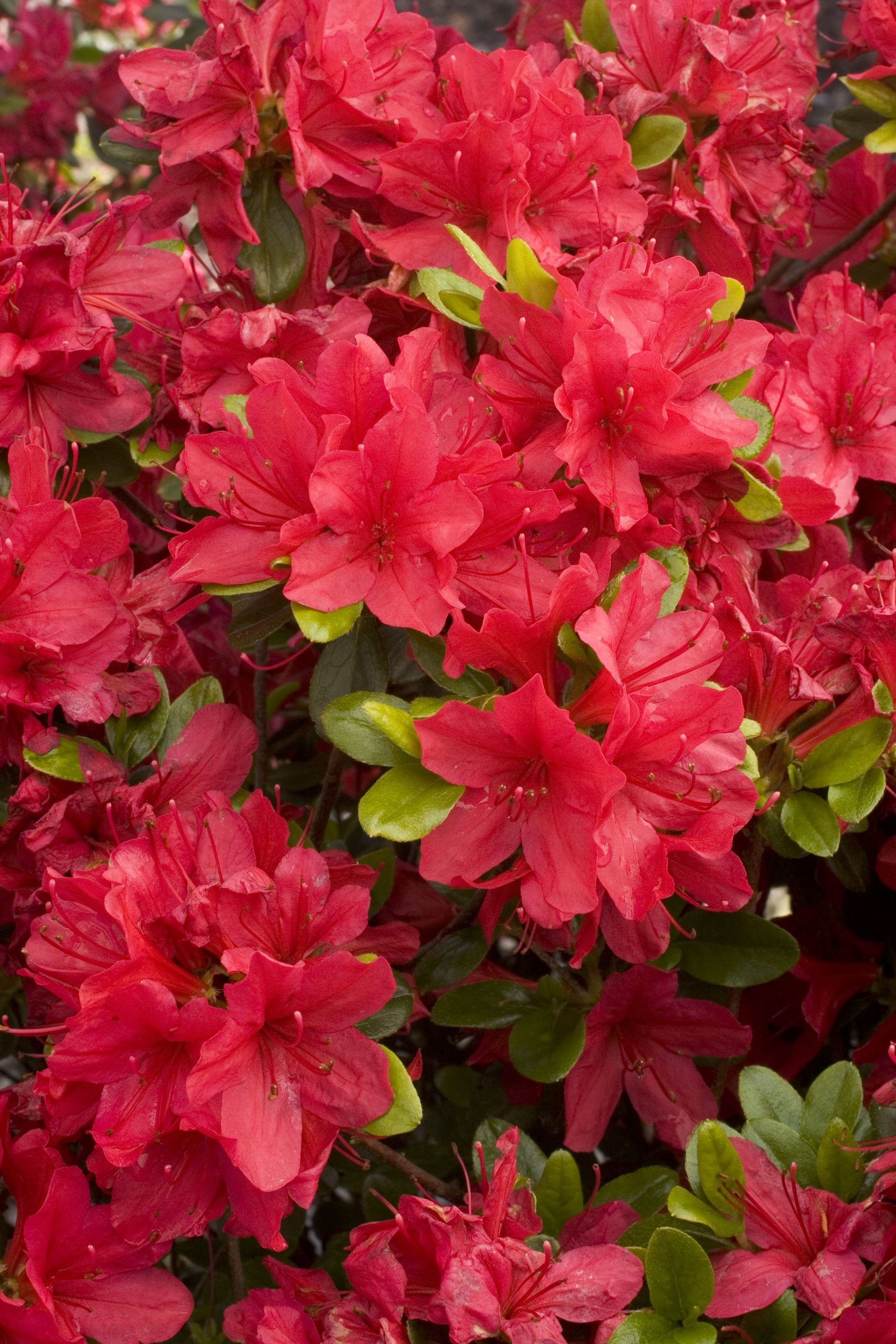
Description

ACER PALMATUM ‘HINO CRIMSON’
What if you could have a Japanese maple that actually thrives in Connecticut? The HINO CRIMSON does exactly that—it’s a weeping form with such deeply dissected, feathery foliage that it looks more like a crimson cloud than a tree. The leaves emerge in spring with an almost electric red intensity, then deepen to a rich, wine-dark crimson throughout the growing season. This is the maple that makes people stop mid-driveway and ask, “What is that?”
What it looks like
HINO CRIMSON is a weeping Japanese maple with a gracefully cascading form that eventually reaches 8 to 10 feet tall and equally wide, though it can be managed smaller with thoughtful pruning. The leaves are so finely cut they’re almost delicate—each one is deeply lobed and thread-like, creating an airy, almost fern-like appearance that’s completely different from the solid-leafed maples you might be familiar with. The color story is what really sets this variety apart. Spring leaves emerge in a brilliant scarlet-red, then gradually deepen through summer into a darker crimson that has hints of purple and burgundy. In autumn, before the leaves drop, they intensify one more time, becoming almost black-red before they fall.
Growing it in your garden
Here’s what makes HINO CRIMSON different from many other Japanese maples: it’s genuinely hardy in Connecticut. While some of its cousins struggle with our harsh winters and late spring frosts, HINO CRIMSON has proven itself reliable in New England conditions. That said, it does appreciate some protection. Plant it where it gets morning sun but afternoon shade—this keeps the foliage color vibrant without the stress of full, scorching afternoon heat. Soil is important: Japanese maples prefer something slightly acidic and well-draining. If your garden is heavy clay, amend generously with compost or peat moss before planting. The tree is relatively compact, so it fits beautifully in smaller gardens, foundation plantings, or as a specimen where you want all eyes on it.
Through the seasons
Spring is the grand entrance. Leaves unfurl in that stunning scarlet that catches light like stained glass. Summer settles into a deep, steady crimson—reliable and rich. This is when the cascading form really shows itself; the arching branches create a fountain-like silhouette that adds movement and grace to the garden even on calm days. Fall is the finale. The crimson darkens further, and you get those dramatic black-red tones that last several weeks before the leaves drop. Winter reveals the elegant branching structure—fine and delicate, almost lacy—which is surprisingly lovely against bare Connecticut landscapes.
Where it shines
HINO CRIMSON is a statement plant, and it deserves a place where it can be admired year-round. Use it as a focal point in a smaller garden space, plant it near an entryway where morning light can highlight that spring color, or position it where you can see it from a favorite window. It’s exceptional in Japanese or Asian-inspired gardens, naturally, but it’s also stunning in contemporary plantings where its fine texture creates contrast with bold-leafed perennials. Smaller property? Plant it in a container—it adapts beautifully to pot culture, which also gives you the option to move it to an ideal microclimate if needed. It’s equally at home in a mixed border, where its cooling crimson tones offset hot yellows and oranges, or as a specimen standing completely alone.
Perfect companions
HINO CRIMSON looks breathtaking surrounded by plants that either echo or contrast its color and texture. Low-growing Japanese sedges like CAREX OSHIMENSIS ‘EVERGOLD’ create a soft golden-green carpet beneath it. White-flowering shade perennials—astilbe, hellebores, or hostas with pale variegation—provide luminous contrast. Evergreens like dwarf conifers add structure and year-round presence. In spring, plant hellebores or spring bulbs at its base to add interest before the maple fully leafs out. Ferns complement its fine-textured foliage beautifully, especially the delicate, feathery varieties.
Care tips
Water regularly during the first year while roots establish—Japanese maples need consistent moisture, though not soggy conditions. Once established, they’re fairly drought-tolerant, but during Connecticut’s drier summers, provide water during extended dry periods. Mulch around the base with 2 to 3 inches of shredded bark, keeping it a few inches away from the trunk. Prune only in late winter or early spring if needed, removing any crossing branches or dead wood. HINO CRIMSON naturally develops a beautiful form, so heavy pruning isn’t necessary—just shape it thoughtfully if you want to emphasize that weeping habit or control its size.
Quick facts
- Hardiness Zone: Zones 5-8 (reliably hardy in Connecticut)
- Mature Height & Spread: 8-10 feet tall and wide
- Bloom Season: Not grown for flowers; foliage display spring through fall
- Light Requirements: Morning sun, afternoon shade
- Water Needs: Regular moisture; moderate once established
- Available at: Both our retail and wholesale locations