AZALEA ‘GIRARD’S CRIMSON’ (RHODODENDRON ‘GIRARD’S CRIMSON’)

What if you could have the drama of deep crimson blooms without sacrificing the ruggedness that Connecticut gardens demand? The Crimson Girard Azalea isn’t just a pretty face—it’s a powerhouse bred specifically for New England’s temperamental climate. This evergreen stunner combines the showiness of a fancy hybrid with the toughness of a plant that actually survives our winters, which means you get those gorgeous, jewel-toned flowers year after year without constantly holding your breath come February.

What it looks like

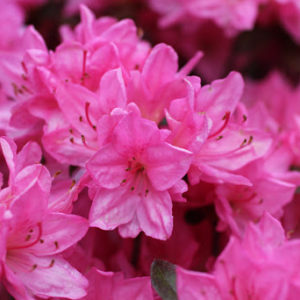
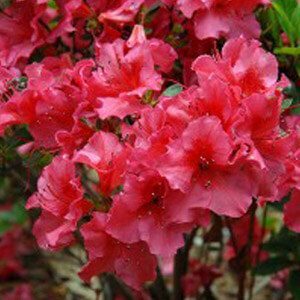
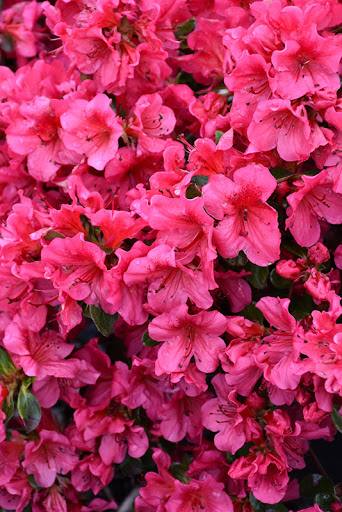
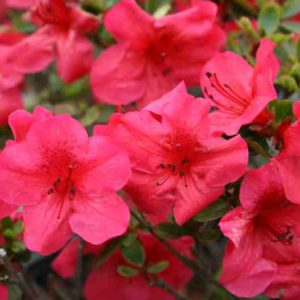
Picture a compact, densely branched shrub clothed in glossy, deep green foliage that stays on the plant through the coldest months. In spring, it erupts with clusters of brilliant crimson-red flowers—the kind of red that makes you stop what you’re doing and just stare. The blooms are semi-double, giving them a ruffled, almost romantic quality compared to the simple single flowers of some azaleas. The plant itself maintains a naturally neat, rounded habit without much fussing, typically staying neat and proportional rather than sprawling awkwardly across the garden.

Growing it in your garden

Girard azaleas were developed by the legendary Girard Nurseries in Ohio specifically for cold-hardy performance, and this Crimson selection thrives in Connecticut gardens where other fancy azaleas might struggle. Plant it in a spot with dappled shade to part sun—afternoon shade is especially appreciated during our hot summers. Unlike many rhododendrons, Girard azaleas are somewhat more tolerant of full sun if you ensure consistent moisture, though they’re happiest with a little afternoon relief. Soil-wise, these plants prefer acidic, well-draining conditions rich in organic matter. If your garden soil leans alkaline, amending with sulfur or planting in a raised bed with azalea-specific soil is worth the effort. Space plants appropriately based on their mature size—they’re not aggressive spreaders, but they do want room to develop their naturally compact form.

Through the seasons

Spring is absolutely Crimson Girard’s moment to shine, typically putting on its crimson show from mid to late April through early May depending on the year. Once the flowers fade, the evergreen foliage becomes the star—deep, lustrous green that provides a strong garden presence all summer long. Unlike deciduous plants that disappear in winter, this azalea maintains its structure and color right through Connecticut’s gray months, offering subtle visual interest even when little else is happening. It’s especially striking when edged with snow or frosted with ice, when that deep green becomes almost jewel-like against the white landscape.

Where it shines

This is the azalea for gardeners who want impact without compromise. Use it as a foundation planting where you want year-round structure and seasonal drama. It’s perfect for mass plantings in woodland gardens, along shaded borders, or as a focal point where you want crimson color to anchor the design. The compact, tidy habit means it works beautifully in smaller gardens too—no aggressive pruning required. Group several together for a stunning spring display, or use it as a specimen that earns its garden real estate in all four seasons.

Perfect companions

Plant Crimson Girard with shade-loving perennials like astilbes, which will appreciate the dappled shade beneath the azalea’s canopy and provide textural contrast with their feathery plumes. Pair it with other shade-tolerant shrubs like ILEX (holly), which offers different seasonal interest and complements the azalea’s form. Underplant with spring bulbs like hellebores or woodland wildflowers that emerge just as the azalea is reaching peak bloom. The rich red flowers also look stunning against silvery foliage plants like ARTEMISIA or alongside white-flowering spring shrubs like PIERIS for a dramatic color combination.

Care tips

Water regularly during the first growing season and during dry spells—azaleas hate drought stress. Mulch around the base with 2-3 inches of pine needles or shredded bark to maintain soil moisture, keep roots cool, and gradually acidify the soil. Avoid heavy fertilizers; a light application of acid-forming azalea fertilizer in spring is sufficient. Prune immediately after flowering if needed, as azaleas set their buds for next spring right after this year’s flowers fade. The Girard breeding means this plant is generally clean and pest-resistant, though keep an eye out for spider mites in hot, dry conditions—consistent watering prevents most issues.

Quick facts

  • Hardiness Zone: 5-8
  • Mature Height & Spread: 4-5 feet tall and wide
  • Bloom Season: Mid-April to early May
  • Light Requirements: Dappled shade to part sun
  • Water Needs: Consistent moisture; prefers well-draining, acidic soil
  • Available at: Both our retail and wholesale locations
Crimson ‘Girard’

Category:

Large crimson flowers, late season.

Pot Size (gallons), Height: #3 #5 #7

Description

AZALEA ‘GIRARD’S CRIMSON’ (RHODODENDRON ‘GIRARD’S CRIMSON’)

What if you could have the drama of deep crimson blooms without sacrificing the ruggedness that Connecticut gardens demand? The Crimson Girard Azalea isn’t just a pretty face—it’s a powerhouse bred specifically for New England’s temperamental climate. This evergreen stunner combines the showiness of a fancy hybrid with the toughness of a plant that actually survives our winters, which means you get those gorgeous, jewel-toned flowers year after year without constantly holding your breath come February.

What it looks like

Picture a compact, densely branched shrub clothed in glossy, deep green foliage that stays on the plant through the coldest months. In spring, it erupts with clusters of brilliant crimson-red flowers—the kind of red that makes you stop what you’re doing and just stare. The blooms are semi-double, giving them a ruffled, almost romantic quality compared to the simple single flowers of some azaleas. The plant itself maintains a naturally neat, rounded habit without much fussing, typically staying neat and proportional rather than sprawling awkwardly across the garden.

Growing it in your garden

Girard azaleas were developed by the legendary Girard Nurseries in Ohio specifically for cold-hardy performance, and this Crimson selection thrives in Connecticut gardens where other fancy azaleas might struggle. Plant it in a spot with dappled shade to part sun—afternoon shade is especially appreciated during our hot summers. Unlike many rhododendrons, Girard azaleas are somewhat more tolerant of full sun if you ensure consistent moisture, though they’re happiest with a little afternoon relief. Soil-wise, these plants prefer acidic, well-draining conditions rich in organic matter. If your garden soil leans alkaline, amending with sulfur or planting in a raised bed with azalea-specific soil is worth the effort. Space plants appropriately based on their mature size—they’re not aggressive spreaders, but they do want room to develop their naturally compact form.

Through the seasons

Spring is absolutely Crimson Girard’s moment to shine, typically putting on its crimson show from mid to late April through early May depending on the year. Once the flowers fade, the evergreen foliage becomes the star—deep, lustrous green that provides a strong garden presence all summer long. Unlike deciduous plants that disappear in winter, this azalea maintains its structure and color right through Connecticut’s gray months, offering subtle visual interest even when little else is happening. It’s especially striking when edged with snow or frosted with ice, when that deep green becomes almost jewel-like against the white landscape.

Where it shines

This is the azalea for gardeners who want impact without compromise. Use it as a foundation planting where you want year-round structure and seasonal drama. It’s perfect for mass plantings in woodland gardens, along shaded borders, or as a focal point where you want crimson color to anchor the design. The compact, tidy habit means it works beautifully in smaller gardens too—no aggressive pruning required. Group several together for a stunning spring display, or use it as a specimen that earns its garden real estate in all four seasons.

Perfect companions

Plant Crimson Girard with shade-loving perennials like astilbes, which will appreciate the dappled shade beneath the azalea’s canopy and provide textural contrast with their feathery plumes. Pair it with other shade-tolerant shrubs like ILEX (holly), which offers different seasonal interest and complements the azalea’s form. Underplant with spring bulbs like hellebores or woodland wildflowers that emerge just as the azalea is reaching peak bloom. The rich red flowers also look stunning against silvery foliage plants like ARTEMISIA or alongside white-flowering spring shrubs like PIERIS for a dramatic color combination.

Care tips

Water regularly during the first growing season and during dry spells—azaleas hate drought stress. Mulch around the base with 2-3 inches of pine needles or shredded bark to maintain soil moisture, keep roots cool, and gradually acidify the soil. Avoid heavy fertilizers; a light application of acid-forming azalea fertilizer in spring is sufficient. Prune immediately after flowering if needed, as azaleas set their buds for next spring right after this year’s flowers fade. The Girard breeding means this plant is generally clean and pest-resistant, though keep an eye out for spider mites in hot, dry conditions—consistent watering prevents most issues.

Quick facts

  • Hardiness Zone: 5-8
  • Mature Height & Spread: 4-5 feet tall and wide
  • Bloom Season: Mid-April to early May
  • Light Requirements: Dappled shade to part sun
  • Water Needs: Consistent moisture; prefers well-draining, acidic soil
  • Available at: Both our retail and wholesale locations