If you’ve been eyeing hydrangeas but worried they’d take over your entire garden, let me introduce you to a game-changer: the Cityline Series! These are panicle hydrangeas bred specifically for gardeners who love the look of their larger cousins but need something that actually fits into a residential landscape. I’ve fallen absolutely in love with these compact beauties, and honestly, I think they’re going to become everyone’s go-to shrub once word gets out. They bring all the summer-into-fall flowering glory of traditional panicle hydrangeas, but in a much more manageable size that’s perfect for Connecticut gardens.

What it looks like

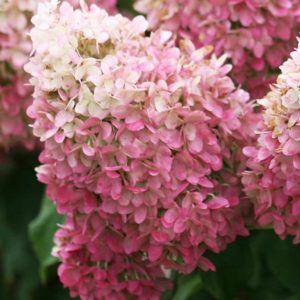
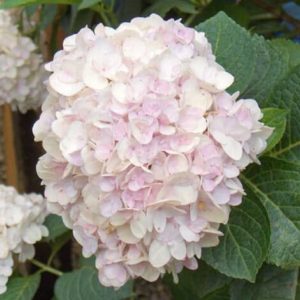
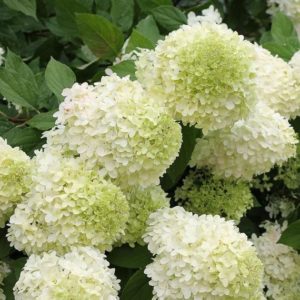
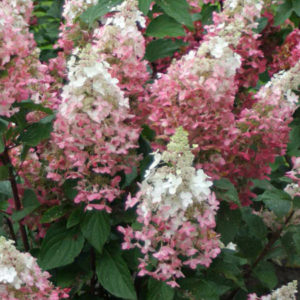
The Cityline Series is absolutely stunning, and the best part is that these shrubs stay nice and tidy without requiring a masterful hand. They typically grow into dense, upright mounds that look elegant and well-proportioned in almost any garden setting. The flowers are the real stars here—they emerge as creamy white panicles (that’s a fancy way of saying elongated flower clusters) in mid to late summer, and then they do something truly magical. As autumn approaches, those flowers gradually shift through soft shades of pink, rose, and eventually deep burgundy or wine red, depending on the variety. It’s like having a living color-changing display right in your yard! The foliage is a deep green throughout the growing season, and some varieties even develop nice bronze or red tones in the fall. When you plant a Cityline hydrangea, you’re really getting a multi-season performer.

Growing it in your garden

Here’s what I love about the Cityline Series: they’re remarkably adaptable to our Connecticut growing conditions. These shrubs prefer full sun to part shade—ideally six or more hours of direct sunlight daily—which isn’t hard to find in most New England gardens. They’re not fussy about soil pH the way some hydrangeas are, though they do appreciate soil that’s reasonably fertile and well-draining. If you’re dealing with heavy clay (and let’s be honest, many of us are in Connecticut), work in some compost or aged bark before planting to improve drainage. These panicle hydrangeas are tougher than their bigleaf cousins when it comes to cold winters and spring frosts, so you can plant with confidence knowing they’ll handle whatever our temperamental New England springs throw at them. They’re rated for our Zone 3 and 4 gardens, which is wonderful peace of mind.

Through the seasons

Spring arrives and you’ll see fresh green foliage emerging on schedule—panicle hydrangeas leaf out later than many shrubs, which actually works in their favor since late frosts rarely damage them. Summer is when things really get exciting. The flowers start appearing in July or early August, depending on the specific variety, creating architectural interest with those upright panicles. This is such a welcome addition to the summer garden because most other shrubs have finished their flowering show by then. Fall is pure magic: as nights cool down and days shorten, the flower colors deepen and shift, providing color interest well into October and even November. The dried seed heads persist through winter, creating a delicate, architectural element in the dormant garden. In Connecticut, this extended season of interest is genuinely valuable.

Where it shines

The Cityline Series is phenomenal in foundation plantings because these shrubs stay so neatly proportioned. They work beautifully along deck or patio edges, along pathways, or as anchors in mixed perennial borders. Because they bloom when many other garden residents are winding down, they’re perfect for creating a late-season focal point. I absolutely adore using them in landscape designs where space is at a premium—they give you that sophisticated hydrangea look without the sprawling eight-foot spread you’d get from older varieties. They’re also wonderful in containers, particularly on sunny decks or patios, which opens up even more design possibilities for those with smaller properties.

Perfect companions

Plant the Cityline Series alongside Japanese anemones and goldenrod for a cohesive late-summer to fall color story. Pair them with ornamental grasses like CALAMAGROSTIS or PANICUM for a modern, textural combination. Early-blooming perennials like PHLOX or COREOPSIS planted in front create a nice progression of bloom times. For foliage contrast, the deep purples of HEUCHERA or silvery ARTEMISIA look absolutely stunning next to those white-turning-pink panicles. And if you want to extend the season, underplant with spring-blooming bulbs—the emerging hydrangea foliage will hide the ripening bulb foliage beautifully.

Care tips

Water regularly during the first growing season to establish a strong root system—this is especially important in our sometimes-dry New England summers. Once established, they’re fairly drought-tolerant but appreciate consistent moisture during bloom season. Pruning is refreshingly simple with the Cityline Series: you can do a light shaping in early spring if you want, but honestly, they need so little pruning that most gardeners just let them do their thing. Don’t worry about deadheading the faded flowers if you want to enjoy the winter interest; the dried panicles are genuinely beautiful in the dormant garden. We recommend a light mulch around the base to keep roots cool and moist, particularly during our hot summers.

Quick facts

  • Hardiness Zone: Zone 3-4 (perfect for Connecticut!)
  • Mature Height & Spread: 3-5 feet tall and 3-4 feet wide (varies slightly by cultivar)
  • Bloom Season: July through November (flowers gradually change color)
  • Light Requirements: Full sun to part shade (6+ hours direct sunlight preferred)
  • Water Needs: Moderate; consistent moisture during growing season
  • Available at: Both our retail and wholesale locations.

Cityline Series

Category:

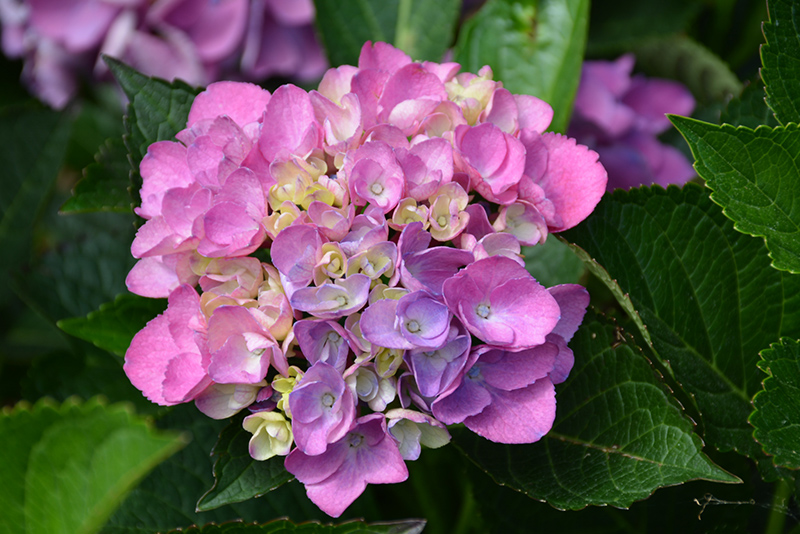
This plant may be petite but the flowers are large and vibrant. Flower color varies – Acid soils results in blue tinged flowers

Pot Size (gallons), Height: #3

Description

If you’ve been eyeing hydrangeas but worried they’d take over your entire garden, let me introduce you to a game-changer: the Cityline Series! These are panicle hydrangeas bred specifically for gardeners who love the look of their larger cousins but need something that actually fits into a residential landscape. I’ve fallen absolutely in love with these compact beauties, and honestly, I think they’re going to become everyone’s go-to shrub once word gets out. They bring all the summer-into-fall flowering glory of traditional panicle hydrangeas, but in a much more manageable size that’s perfect for Connecticut gardens.

What it looks like

The Cityline Series is absolutely stunning, and the best part is that these shrubs stay nice and tidy without requiring a masterful hand. They typically grow into dense, upright mounds that look elegant and well-proportioned in almost any garden setting. The flowers are the real stars here—they emerge as creamy white panicles (that’s a fancy way of saying elongated flower clusters) in mid to late summer, and then they do something truly magical. As autumn approaches, those flowers gradually shift through soft shades of pink, rose, and eventually deep burgundy or wine red, depending on the variety. It’s like having a living color-changing display right in your yard! The foliage is a deep green throughout the growing season, and some varieties even develop nice bronze or red tones in the fall. When you plant a Cityline hydrangea, you’re really getting a multi-season performer.

Growing it in your garden

Here’s what I love about the Cityline Series: they’re remarkably adaptable to our Connecticut growing conditions. These shrubs prefer full sun to part shade—ideally six or more hours of direct sunlight daily—which isn’t hard to find in most New England gardens. They’re not fussy about soil pH the way some hydrangeas are, though they do appreciate soil that’s reasonably fertile and well-draining. If you’re dealing with heavy clay (and let’s be honest, many of us are in Connecticut), work in some compost or aged bark before planting to improve drainage. These panicle hydrangeas are tougher than their bigleaf cousins when it comes to cold winters and spring frosts, so you can plant with confidence knowing they’ll handle whatever our temperamental New England springs throw at them. They’re rated for our Zone 3 and 4 gardens, which is wonderful peace of mind.

Through the seasons

Spring arrives and you’ll see fresh green foliage emerging on schedule—panicle hydrangeas leaf out later than many shrubs, which actually works in their favor since late frosts rarely damage them. Summer is when things really get exciting. The flowers start appearing in July or early August, depending on the specific variety, creating architectural interest with those upright panicles. This is such a welcome addition to the summer garden because most other shrubs have finished their flowering show by then. Fall is pure magic: as nights cool down and days shorten, the flower colors deepen and shift, providing color interest well into October and even November. The dried seed heads persist through winter, creating a delicate, architectural element in the dormant garden. In Connecticut, this extended season of interest is genuinely valuable.

Where it shines

The Cityline Series is phenomenal in foundation plantings because these shrubs stay so neatly proportioned. They work beautifully along deck or patio edges, along pathways, or as anchors in mixed perennial borders. Because they bloom when many other garden residents are winding down, they’re perfect for creating a late-season focal point. I absolutely adore using them in landscape designs where space is at a premium—they give you that sophisticated hydrangea look without the sprawling eight-foot spread you’d get from older varieties. They’re also wonderful in containers, particularly on sunny decks or patios, which opens up even more design possibilities for those with smaller properties.

Perfect companions

Plant the Cityline Series alongside Japanese anemones and goldenrod for a cohesive late-summer to fall color story. Pair them with ornamental grasses like CALAMAGROSTIS or PANICUM for a modern, textural combination. Early-blooming perennials like PHLOX or COREOPSIS planted in front create a nice progression of bloom times. For foliage contrast, the deep purples of HEUCHERA or silvery ARTEMISIA look absolutely stunning next to those white-turning-pink panicles. And if you want to extend the season, underplant with spring-blooming bulbs—the emerging hydrangea foliage will hide the ripening bulb foliage beautifully.

Care tips

Water regularly during the first growing season to establish a strong root system—this is especially important in our sometimes-dry New England summers. Once established, they’re fairly drought-tolerant but appreciate consistent moisture during bloom season. Pruning is refreshingly simple with the Cityline Series: you can do a light shaping in early spring if you want, but honestly, they need so little pruning that most gardeners just let them do their thing. Don’t worry about deadheading the faded flowers if you want to enjoy the winter interest; the dried panicles are genuinely beautiful in the dormant garden. We recommend a light mulch around the base to keep roots cool and moist, particularly during our hot summers.

Quick facts

  • Hardiness Zone: Zone 3-4 (perfect for Connecticut!)
  • Mature Height & Spread: 3-5 feet tall and 3-4 feet wide (varies slightly by cultivar)
  • Bloom Season: July through November (flowers gradually change color)
  • Light Requirements: Full sun to part shade (6+ hours direct sunlight preferred)
  • Water Needs: Moderate; consistent moisture during growing season
  • Available at: Both our retail and wholesale locations.