Endless Summer

HYDRANGEA MACROPHYLLA ‘ENDLESS SUMMER’

Here’s the honest truth about Endless Summer Hydrangea: it’s become the most beloved shrub in Connecticut gardens for one simple reason—it actually delivers what its name promises. For decades, gardeners in New England have wrestled with the unpredictability of traditional bigleaf hydrangeas, watching spring frosts zap their flower buds before summer even arrived. Endless Summer changed the game entirely. This remarkable variety blooms on both old and new wood, which means even if a late freeze damages this year’s buds, you’ll still get flowers from the growth that emerges afterward. That’s not just a nice feature—that’s freedom from disappointment.

What it looks like

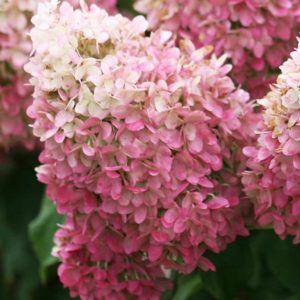
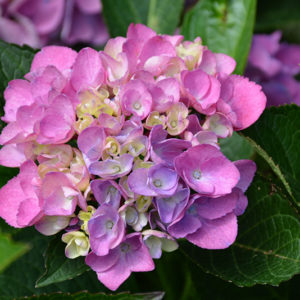
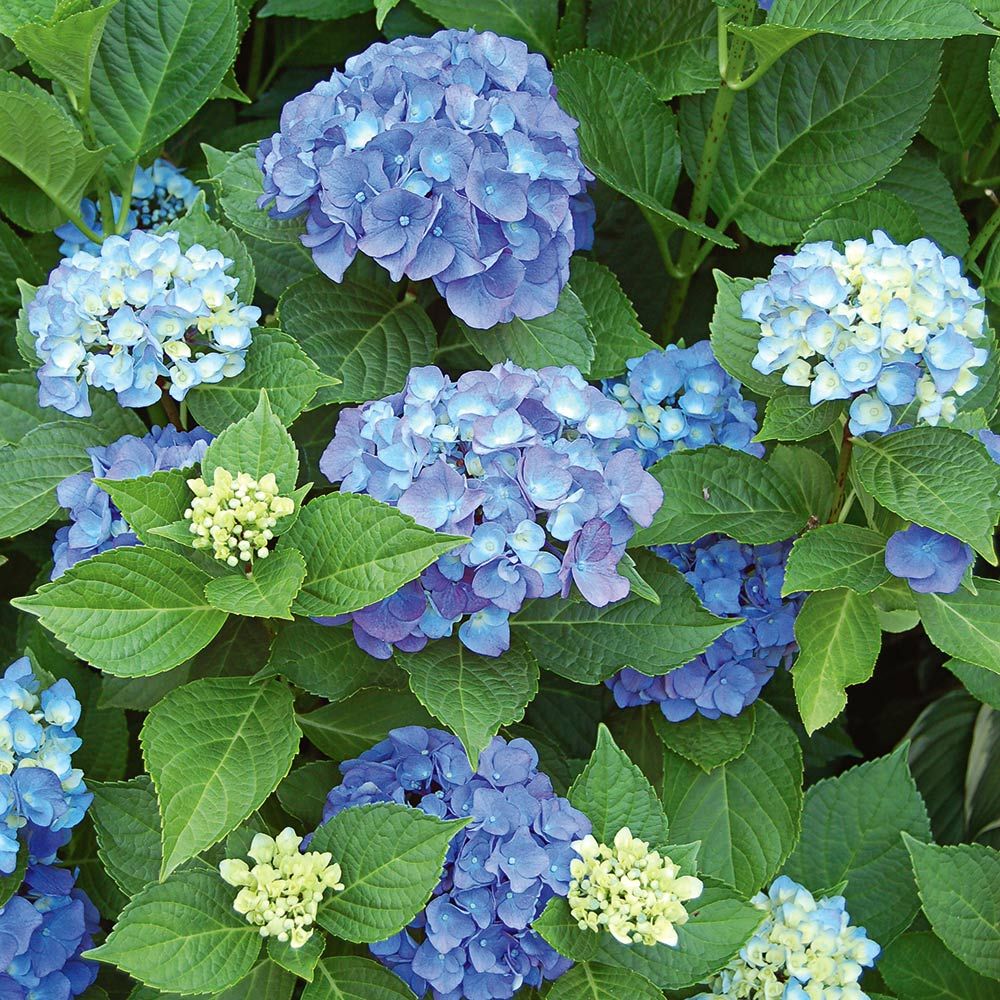
Endless Summer is a full, rounded shrub that typically grows 3 to 6 feet tall and equally wide, making it substantial enough to anchor a border but not so large that it overwhelms a modest garden space. The deep green foliage is lush and attractive throughout the growing season, providing a handsome backdrop even before the flowers appear. And those flowers—oh, they’re spectacular. Depending on your soil pH, you’ll get either stunning blue blooms in acidic soil or romantic pink tones in neutral to alkaline conditions. The flower heads are generous lacecaps or mopheads, depending on the plant’s age and growing conditions, with blooms that start appearing in early summer and genuinely continue through fall frost. Many gardeners report flowers persisting well into November here in Connecticut, which is almost unheard of for hydrangeas.

Growing it in your garden

Endless Summer is remarkably adaptable, thriving in conditions that would make other hydrangeas sulk. While it appreciates morning sun and afternoon shade—that perfect New England sweet spot of 4 to 6 hours of sunlight—it’s more forgiving of full sun exposure than traditional bigleaf hydrangeas, as long as you keep the soil consistently moist. The key to success is understanding that this plant loves moisture without waterlogging. In Connecticut’s variable spring weather, that means good drainage is essential. If you have heavy clay soil, amend it generously with compost before planting. If your soil tends toward sand, work in plenty of organic matter to help retain moisture during our hot, dry summers.

The soil pH question deserves real attention. If you want those stunning blues, your soil needs to be acidic (pH below 6.0). Most Connecticut soils naturally lean slightly acidic, which works beautifully. If you’re drawn to the pink palette, you can actually work toward neutral soil, or simply enjoy whatever color nature gives you and embrace it as part of your plant’s unique character.

Through the seasons

Spring brings new growth that quickly fills in the plant’s framework. Because Endless Summer’s magic lies in its ability to flower on both old and new wood, you don’t have to stress about devastating frost damage the way gardeners with other hydrangeas do. Sure, a hard late frost might knock back some early flower buds, but the plant will keep producing new growth and new blooms throughout the season. Early summer sees the first wave of flowers appearing—this is when the lacecap or mophead forms. As summer progresses, additional flower clusters emerge from newer growth, creating a continuous show through July and August. Fall brings a deepening of the blooms’ colors as temperatures cool, with flower display extending well into November. Even the dried flower heads are attractive, turning to russet and cream tones that look beautiful frosted over in early winter.

Where it shines

Plant Endless Summer in mixed borders where its reliable blooms can anchor the composition. It’s exceptional in foundation plantings, particularly on the east or north side of a house where morning sun and afternoon shade are naturally provided. Container growing is another place this variety excels—fill a large pot with quality potting soil, and you can move it to the perfect light conditions and water it with precision. Many Connecticut gardeners also use Endless Summer in shaded woodland gardens where its flowers brighten darker corners from July through November. Near patios and decks, it becomes a focal point as the season progresses and other plants fade.

Perfect companions

Pair Endless Summer with shade-tolerant hostas to ground it visually and provide textural contrast. Oakleaf hydrangeas bloom at the same time and create a sophisticated combination. Ornamental grasses like PANICUM ‘HEAVY METAL’ add movement and airiness beside the solid form of the hydrangea. Shade-loving perennials like ASTILBE and BRUNNERA extend the interest before and after the hydrangea’s peak bloom season. For year-round structure, plant evergreen shrubs like boxwood or dwarf conifers nearby.

Care tips

Water deeply and consistently, especially during Connecticut’s hot, dry spells. Mulch around the base with 2 to 3 inches of organic material to maintain moisture and regulate soil temperature. Pruning is refreshingly simple: in late winter or very early spring, before new growth emerges, remove any dead wood and shape the plant as desired. Unlike traditional hydrangeas, you don’t need to worry excessively about pruning off next year’s flowers. Deadheading spent flowers encourages continued blooming, though leaving some flowers on the plant is fine too. Fertilize in early spring with an all-purpose shrub fertilizer, and consider a second application in early summer to support continuous blooming.

Quick facts

  • Hardiness Zone: Zones 3-9 (perfectly hardy throughout Connecticut)
  • Mature Height & Spread: 3-6 feet tall and wide
  • Bloom Season: Early summer through November frost
  • Light Requirements: 4-6 hours of sun; morning sun with afternoon shade is ideal
  • Water Needs: Consistent moisture; moderate to high water requirements
  • Available at: Both our retail and wholesale locations
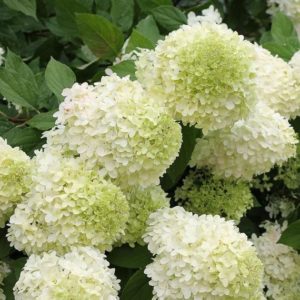
Endless Summer

Category:

Blooming off new and old wood, this Hydrangea will give you large blooms all season long.

Zoning: 4-9
Mature Height and Spread: 3-5’

Description

Endless Summer

HYDRANGEA MACROPHYLLA ‘ENDLESS SUMMER’

Here’s the honest truth about Endless Summer Hydrangea: it’s become the most beloved shrub in Connecticut gardens for one simple reason—it actually delivers what its name promises. For decades, gardeners in New England have wrestled with the unpredictability of traditional bigleaf hydrangeas, watching spring frosts zap their flower buds before summer even arrived. Endless Summer changed the game entirely. This remarkable variety blooms on both old and new wood, which means even if a late freeze damages this year’s buds, you’ll still get flowers from the growth that emerges afterward. That’s not just a nice feature—that’s freedom from disappointment.

What it looks like

Endless Summer is a full, rounded shrub that typically grows 3 to 6 feet tall and equally wide, making it substantial enough to anchor a border but not so large that it overwhelms a modest garden space. The deep green foliage is lush and attractive throughout the growing season, providing a handsome backdrop even before the flowers appear. And those flowers—oh, they’re spectacular. Depending on your soil pH, you’ll get either stunning blue blooms in acidic soil or romantic pink tones in neutral to alkaline conditions. The flower heads are generous lacecaps or mopheads, depending on the plant’s age and growing conditions, with blooms that start appearing in early summer and genuinely continue through fall frost. Many gardeners report flowers persisting well into November here in Connecticut, which is almost unheard of for hydrangeas.

Growing it in your garden

Endless Summer is remarkably adaptable, thriving in conditions that would make other hydrangeas sulk. While it appreciates morning sun and afternoon shade—that perfect New England sweet spot of 4 to 6 hours of sunlight—it’s more forgiving of full sun exposure than traditional bigleaf hydrangeas, as long as you keep the soil consistently moist. The key to success is understanding that this plant loves moisture without waterlogging. In Connecticut’s variable spring weather, that means good drainage is essential. If you have heavy clay soil, amend it generously with compost before planting. If your soil tends toward sand, work in plenty of organic matter to help retain moisture during our hot, dry summers.

The soil pH question deserves real attention. If you want those stunning blues, your soil needs to be acidic (pH below 6.0). Most Connecticut soils naturally lean slightly acidic, which works beautifully. If you’re drawn to the pink palette, you can actually work toward neutral soil, or simply enjoy whatever color nature gives you and embrace it as part of your plant’s unique character.

Through the seasons

Spring brings new growth that quickly fills in the plant’s framework. Because Endless Summer’s magic lies in its ability to flower on both old and new wood, you don’t have to stress about devastating frost damage the way gardeners with other hydrangeas do. Sure, a hard late frost might knock back some early flower buds, but the plant will keep producing new growth and new blooms throughout the season. Early summer sees the first wave of flowers appearing—this is when the lacecap or mophead forms. As summer progresses, additional flower clusters emerge from newer growth, creating a continuous show through July and August. Fall brings a deepening of the blooms’ colors as temperatures cool, with flower display extending well into November. Even the dried flower heads are attractive, turning to russet and cream tones that look beautiful frosted over in early winter.

Where it shines

Plant Endless Summer in mixed borders where its reliable blooms can anchor the composition. It’s exceptional in foundation plantings, particularly on the east or north side of a house where morning sun and afternoon shade are naturally provided. Container growing is another place this variety excels—fill a large pot with quality potting soil, and you can move it to the perfect light conditions and water it with precision. Many Connecticut gardeners also use Endless Summer in shaded woodland gardens where its flowers brighten darker corners from July through November. Near patios and decks, it becomes a focal point as the season progresses and other plants fade.

Perfect companions

Pair Endless Summer with shade-tolerant hostas to ground it visually and provide textural contrast. Oakleaf hydrangeas bloom at the same time and create a sophisticated combination. Ornamental grasses like PANICUM ‘HEAVY METAL’ add movement and airiness beside the solid form of the hydrangea. Shade-loving perennials like ASTILBE and BRUNNERA extend the interest before and after the hydrangea’s peak bloom season. For year-round structure, plant evergreen shrubs like boxwood or dwarf conifers nearby.

Care tips

Water deeply and consistently, especially during Connecticut’s hot, dry spells. Mulch around the base with 2 to 3 inches of organic material to maintain moisture and regulate soil temperature. Pruning is refreshingly simple: in late winter or very early spring, before new growth emerges, remove any dead wood and shape the plant as desired. Unlike traditional hydrangeas, you don’t need to worry excessively about pruning off next year’s flowers. Deadheading spent flowers encourages continued blooming, though leaving some flowers on the plant is fine too. Fertilize in early spring with an all-purpose shrub fertilizer, and consider a second application in early summer to support continuous blooming.

Quick facts

  • Hardiness Zone: Zones 3-9 (perfectly hardy throughout Connecticut)
  • Mature Height & Spread: 3-6 feet tall and wide
  • Bloom Season: Early summer through November frost
  • Light Requirements: 4-6 hours of sun; morning sun with afternoon shade is ideal
  • Water Needs: Consistent moisture; moderate to high water requirements
  • Available at: Both our retail and wholesale locations