Blue Princess

If you’re looking for a shrub that brings reliable beauty and structure to your Connecticut garden year-round, let me introduce you to the stunning Blue Princess holly. This is one of those plants that makes you wonder why every garden doesn’t have one—it’s absolutely gorgeous, incredibly dependable, and honestly, it’s a bit of a showstopper. Whether you’re a seasoned gardener or just getting started, Blue Princess is the kind of plant that rewards you with beautiful foliage and brilliant berries without demanding too much fuss in return.

What it looks like

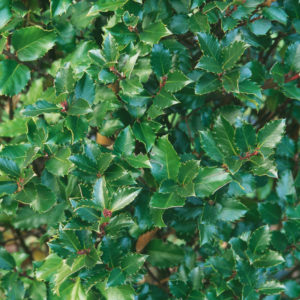
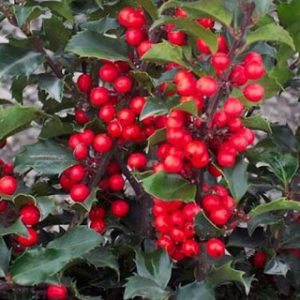
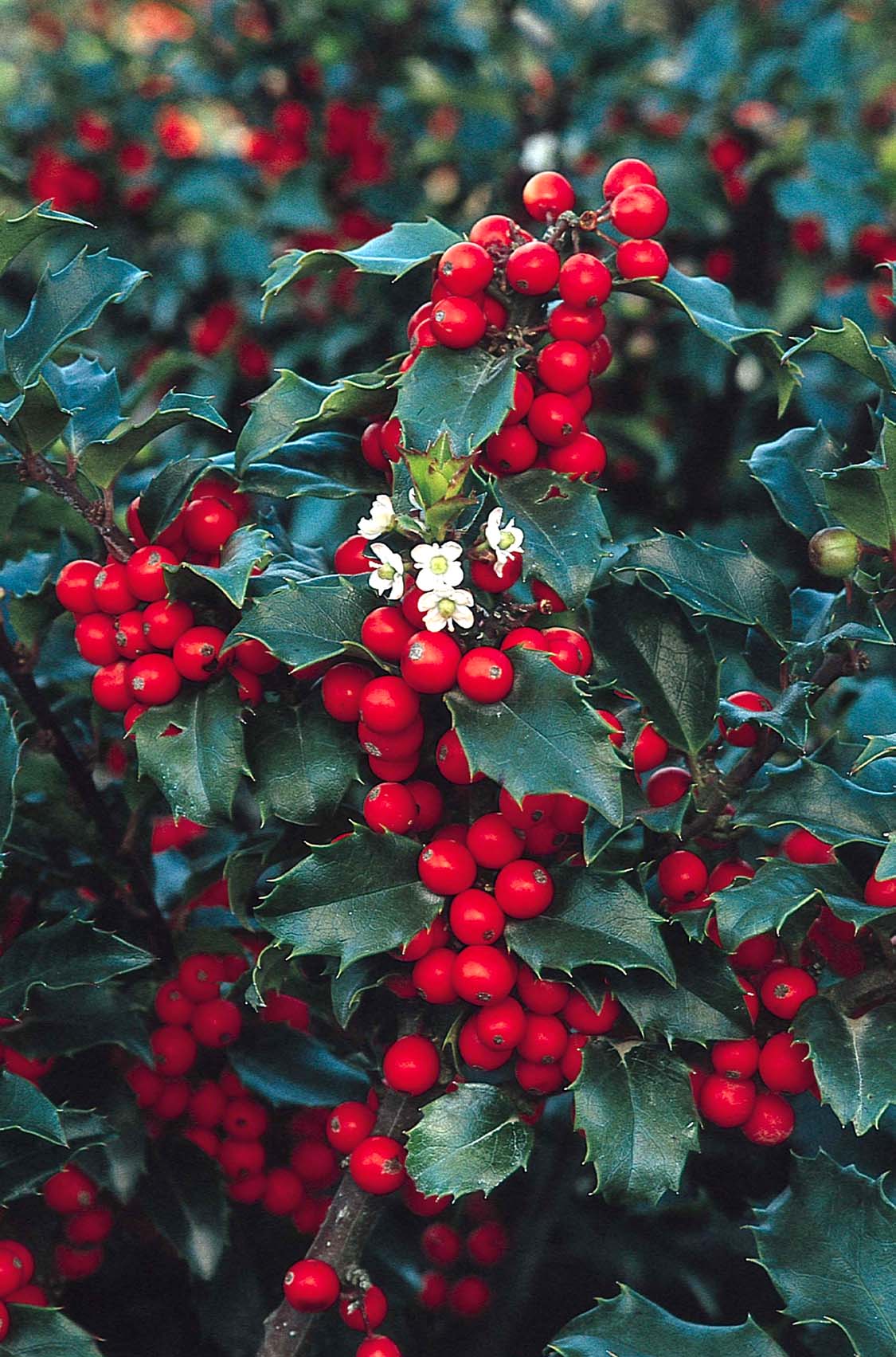
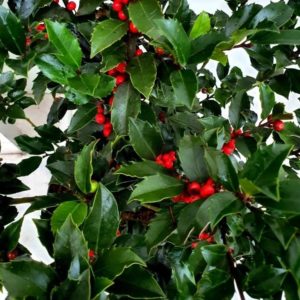
Blue Princess (ILEX x MESERVEAE ‘Blue Princess’) is a semi-evergreen to evergreen holly with dense, compact growth and that gorgeous blue-tinged foliage that gives it its name. The leaves have that characteristic holly shape with spiny margins, but what really sets this beauty apart is their deep, lustrous blue-green color—it’s like someone painted them with a hint of navy blue. The foliage stays looking fresh and vibrant even through our harsh Connecticut winters, which is such a treat when so many plants around it have faded to winter brown. And then there are the berries—oh, the berries! When pollinated by a male holly (we’ll talk about that in a moment), Blue Princess produces absolutely stunning bright red berries that practically glow against the dark foliage. These berries persist well into winter, providing gorgeous color when you need it most and feeding our local wildlife when food is scarce.

Growing it in your garden

Here’s where Blue Princess really shines as a Connecticut garden plant. It’s cold-hardy right through our New England winters and doesn’t mind our variable spring weather one bit. This holly prefers full sun to part shade—I’d recommend at least six hours of direct sunlight daily for the best berry production and most vibrant foliage color. One important thing to know: Blue Princess is female, which means she needs a male pollinator nearby to produce those gorgeous red berries. A male holly like Blue Prince or similar variety planted within reasonable proximity (even in a neighbor’s yard sometimes works!) will ensure you get that spectacular berry display. Without a male, you’ll still have a beautiful evergreen shrub, but you’ll miss out on the berries. Blue Princess prefers moist, well-drained soil and appreciates good drainage—she’s not a fan of wet feet, particularly through our wet Connecticut springs. If your soil tends toward clay, amending it with compost when planting will set her up for success.

Through the seasons

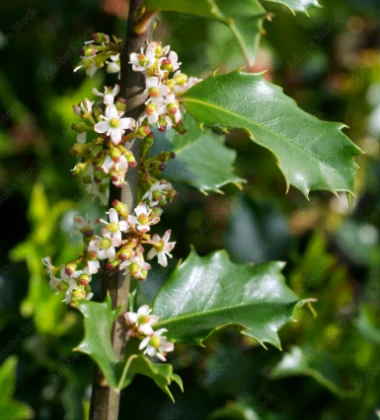
Spring is when Blue Princess leafs out with fresh new growth that’s absolutely gorgeous—slightly lighter than her mature foliage, it gives the whole plant a vibrant, renewed look just when we’re all craving something green and growing. If you have a male pollinator nearby, you’ll notice the delicate flowers in spring, though they’re small and easy to miss. By early summer, the shrub has settled into her gorgeous full form, the foliage has deepened to that stunning blue-green, and she’s looking absolutely lush. Through summer and into fall, she maintains that beautiful color while slowly developing fruit if pollination was successful. This is when things get really exciting—as fall progresses, those berries intensify to the most brilliant red, creating an absolutely stunning color contrast against the dark foliage. Winter is when Blue Princess really earns her place in the garden. While deciduous plants around her have dropped their leaves, she stands strong and colorful, her evergreen foliage remaining vibrant and those red berries providing months of winter interest. In our Connecticut gardens, this winter color is absolutely invaluable when the landscape can look rather gray and dormant.

Where it shines

Blue Princess is wonderfully versatile. She works beautifully as a specimen shrub where you want to showcase her form and color, makes an excellent addition to mixed shrub borders where her evergreen structure provides backbone and form, and can even be used in a grouping with other hollies and broadleaf evergreens for year-round visual interest. She’s also fantastic in foundation plantings where you want something that looks good all four seasons. Because she’s a female holly, she’s particularly prized by gardeners who want those gorgeous berries for seasonal color and wildlife interest. Her compact growth habit makes her perfect for smaller spaces where you don’t want something sprawling, but she’s also substantial enough to serve as a real focal point in the landscape.

Perfect companions

Blue Princess loves being paired with other cold-hardy evergreens like boxwoods, which provide lovely textural contrast, or other broadleaf evergreens like rhododendrons and mountain laurels—native beauties that thrive in Connecticut gardens. For berry-producing companion plants, consider pairing her with winterberry hollies, which produce berries on a different schedule and add even more color to your winter garden. Ornamental grasses planted nearby provide beautiful movement and contrast against her dense form, and spring bulbs around the base—like hellebores or early crocuses—extend the seasonal interest even further. She’s also lovely with other New England-hardy shrubs like inkberry or even with climbing hydrangeas trained nearby.

Care tips

Blue Princess is fairly low-maintenance once established, which is wonderful news for busy gardeners. Water regularly during her first growing season to help establish a strong root system, and continue providing consistent moisture during dry spells—our Connecticut springs and falls are usually cooperative, but summer can get dry. A two to three-inch layer of mulch around the base helps retain moisture and keeps those roots happy without suffocating them. She doesn’t typically need heavy pruning, but if you want to maintain a specific shape or size, late winter or very early spring is the best time—just before new growth emerges. Avoid pruning too late into summer, as this can stimulate tender new growth that won’t harden off before winter. She’s not prone to major pest problems in our area, though scale can occasionally be an issue on hollies; regular monitoring and good air circulation help prevent this. Fertilize in spring with a shrub fertilizer if you’d like, but she’s not demanding—our Connecticut soil usually provides what she needs if she’s mulched and watered well.

Quick facts

  • Hardiness Zone: Zones 5-9 (perfect for Connecticut)
  • Mature Height & Spread: 15-20 feet tall, 8-12 feet wide (can be maintained smaller with pruning)
  • Bloom Season: Spring flowers (inconspicuous); berries persist fall through winter
  • Light Requirements: Full sun to part shade (6+ hours direct sun for best berry production)
  • Water Needs: Moderate; consistent moisture but well-drained soil
  • Available at: Both our retail and wholesale locations.
Blue Princess

Category:

A female hybrid bearing bright, red berries. This Meserveae displays a slower growth habit.

Zoning: 5-9
Mature Height and Spread: 10-12’ & 7-9’

Description

Blue Princess

If you’re looking for a shrub that brings reliable beauty and structure to your Connecticut garden year-round, let me introduce you to the stunning Blue Princess holly. This is one of those plants that makes you wonder why every garden doesn’t have one—it’s absolutely gorgeous, incredibly dependable, and honestly, it’s a bit of a showstopper. Whether you’re a seasoned gardener or just getting started, Blue Princess is the kind of plant that rewards you with beautiful foliage and brilliant berries without demanding too much fuss in return.

What it looks like

Blue Princess (ILEX x MESERVEAE ‘Blue Princess’) is a semi-evergreen to evergreen holly with dense, compact growth and that gorgeous blue-tinged foliage that gives it its name. The leaves have that characteristic holly shape with spiny margins, but what really sets this beauty apart is their deep, lustrous blue-green color—it’s like someone painted them with a hint of navy blue. The foliage stays looking fresh and vibrant even through our harsh Connecticut winters, which is such a treat when so many plants around it have faded to winter brown. And then there are the berries—oh, the berries! When pollinated by a male holly (we’ll talk about that in a moment), Blue Princess produces absolutely stunning bright red berries that practically glow against the dark foliage. These berries persist well into winter, providing gorgeous color when you need it most and feeding our local wildlife when food is scarce.

Growing it in your garden

Here’s where Blue Princess really shines as a Connecticut garden plant. It’s cold-hardy right through our New England winters and doesn’t mind our variable spring weather one bit. This holly prefers full sun to part shade—I’d recommend at least six hours of direct sunlight daily for the best berry production and most vibrant foliage color. One important thing to know: Blue Princess is female, which means she needs a male pollinator nearby to produce those gorgeous red berries. A male holly like Blue Prince or similar variety planted within reasonable proximity (even in a neighbor’s yard sometimes works!) will ensure you get that spectacular berry display. Without a male, you’ll still have a beautiful evergreen shrub, but you’ll miss out on the berries. Blue Princess prefers moist, well-drained soil and appreciates good drainage—she’s not a fan of wet feet, particularly through our wet Connecticut springs. If your soil tends toward clay, amending it with compost when planting will set her up for success.

Through the seasons

Spring is when Blue Princess leafs out with fresh new growth that’s absolutely gorgeous—slightly lighter than her mature foliage, it gives the whole plant a vibrant, renewed look just when we’re all craving something green and growing. If you have a male pollinator nearby, you’ll notice the delicate flowers in spring, though they’re small and easy to miss. By early summer, the shrub has settled into her gorgeous full form, the foliage has deepened to that stunning blue-green, and she’s looking absolutely lush. Through summer and into fall, she maintains that beautiful color while slowly developing fruit if pollination was successful. This is when things get really exciting—as fall progresses, those berries intensify to the most brilliant red, creating an absolutely stunning color contrast against the dark foliage. Winter is when Blue Princess really earns her place in the garden. While deciduous plants around her have dropped their leaves, she stands strong and colorful, her evergreen foliage remaining vibrant and those red berries providing months of winter interest. In our Connecticut gardens, this winter color is absolutely invaluable when the landscape can look rather gray and dormant.

Where it shines

Blue Princess is wonderfully versatile. She works beautifully as a specimen shrub where you want to showcase her form and color, makes an excellent addition to mixed shrub borders where her evergreen structure provides backbone and form, and can even be used in a grouping with other hollies and broadleaf evergreens for year-round visual interest. She’s also fantastic in foundation plantings where you want something that looks good all four seasons. Because she’s a female holly, she’s particularly prized by gardeners who want those gorgeous berries for seasonal color and wildlife interest. Her compact growth habit makes her perfect for smaller spaces where you don’t want something sprawling, but she’s also substantial enough to serve as a real focal point in the landscape.

Perfect companions

Blue Princess loves being paired with other cold-hardy evergreens like boxwoods, which provide lovely textural contrast, or other broadleaf evergreens like rhododendrons and mountain laurels—native beauties that thrive in Connecticut gardens. For berry-producing companion plants, consider pairing her with winterberry hollies, which produce berries on a different schedule and add even more color to your winter garden. Ornamental grasses planted nearby provide beautiful movement and contrast against her dense form, and spring bulbs around the base—like hellebores or early crocuses—extend the seasonal interest even further. She’s also lovely with other New England-hardy shrubs like inkberry or even with climbing hydrangeas trained nearby.

Care tips

Blue Princess is fairly low-maintenance once established, which is wonderful news for busy gardeners. Water regularly during her first growing season to help establish a strong root system, and continue providing consistent moisture during dry spells—our Connecticut springs and falls are usually cooperative, but summer can get dry. A two to three-inch layer of mulch around the base helps retain moisture and keeps those roots happy without suffocating them. She doesn’t typically need heavy pruning, but if you want to maintain a specific shape or size, late winter or very early spring is the best time—just before new growth emerges. Avoid pruning too late into summer, as this can stimulate tender new growth that won’t harden off before winter. She’s not prone to major pest problems in our area, though scale can occasionally be an issue on hollies; regular monitoring and good air circulation help prevent this. Fertilize in spring with a shrub fertilizer if you’d like, but she’s not demanding—our Connecticut soil usually provides what she needs if she’s mulched and watered well.

Quick facts

  • Hardiness Zone: Zones 5-9 (perfect for Connecticut)
  • Mature Height & Spread: 15-20 feet tall, 8-12 feet wide (can be maintained smaller with pruning)
  • Bloom Season: Spring flowers (inconspicuous); berries persist fall through winter
  • Light Requirements: Full sun to part shade (6+ hours direct sun for best berry production)
  • Water Needs: Moderate; consistent moisture but well-drained soil
  • Available at: Both our retail and wholesale locations.