Description
ILEX X MESERVEAE ‘BLUE PRINCE’
What if you could have a holly that actually thrives in New England’s challenging climate? Blue Prince isn’t just another evergreen—it’s a game-changer for anyone who’s watched traditional hollies struggle through Connecticut winters or languish in our acidic soil. This hybrid holly was specifically bred to handle what our region throws at it, and it does so with remarkable grace and stunning ornamental appeal.
What it looks like
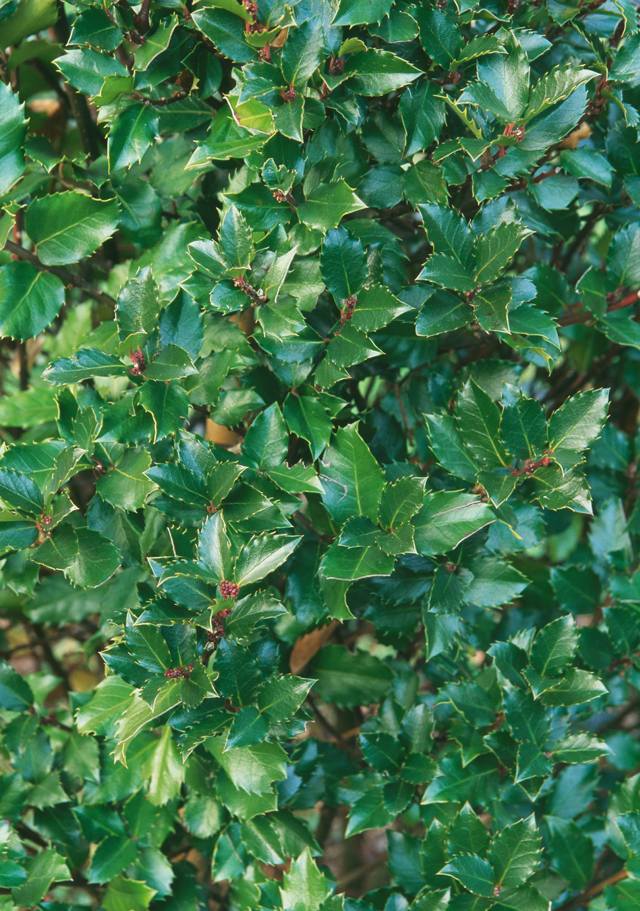
Blue Prince is an upright, pyramidal evergreen that grows with a naturally pleasing form without requiring constant fussing. Its glossy, dark green leaves have that characteristic holly spininess, but they’re refined enough not to feel aggressive in the landscape. The foliage itself has an almost bluish-purple cast in cooler months, which is where this beauty gets its name—and it’s particularly pronounced when grown in full sun.
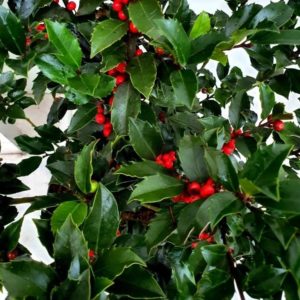
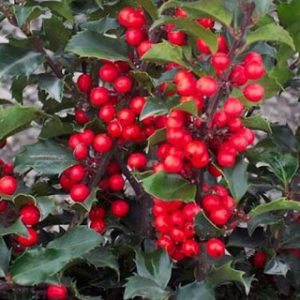
Unlike female hollies laden with bright red berries, Blue Prince is a male form, which means it won’t produce berries itself. But here’s the secret: Blue Prince is the pollinator for the stunning female form, Blue Princess. Plant them together, and you’ll get the best of both worlds—Blue Prince’s robust, healthy foliage and Blue Princess’s jewel-like red berries that persist well into winter. Even on its own, Blue Prince is an architectural asset to any garden, providing year-round structure and substance.
Growing it in your garden
One of the greatest gifts Blue Prince offers New England gardeners is its genuine cold hardiness. This isn’t a plant that makes it through Connecticut winters through sheer stubbornness—it actually prefers our climate. It establishes reliably, grows steadily, and rarely shows the winter dieback or leaf scorch that plagues more tender holly varieties.
Blue Prince adapts to a range of soil conditions, though it performs best in acidic, well-draining soil—something most Connecticut gardeners have in abundance. It’s not fussy about pH, but it does appreciate soil that doesn’t stay soggy. Full sun to part shade will both work, though sun exposure intensifies that blue-tinted foliage color in fall and winter.
This holly grows at a moderate pace, so you’re not dealing with a plant that overtakes your garden or requires constant pruning to keep in bounds. It naturally develops a dense, compact form that looks intentional and well-maintained even when left somewhat to its own devices.
Through the seasons
Spring brings new growth in shades of bronze and burgundy before maturing to that deep, polished green. It’s a subtle transition, but a beautiful one. Summer sees Blue Prince settle into its role as a steadfast evergreen backdrop, providing consistent texture and form when many other plants are at their peak.
Fall is when something magical happens: the foliage takes on those distinctive bluish-purple tones that make Blue Prince stand out from the crowd of ordinary evergreens. Winter is when this plant truly shines. While deciduous plants go dormant and borders fade to brown, Blue Prince remains vibrant, architectural, and visually interesting. Pair it with berry-producing plants like winterberry or crabapples, and your winter garden becomes a living, breathing landscape.
Where it shines
Blue Prince excels as a tall screen or windbreak, creating a living wall of color that protects your garden while looking intentional rather than utilitarian. It works beautifully as a focal point in mixed borders, an anchor point in foundation plantings, or even as a specimen where you want to draw the eye. Because it tolerates both sun and shade reasonably well, Blue Prince adapts to various exposures that might challenge other evergreens.
In Connecticut landscapes, Blue Prince is particularly valuable for creating evergreen structure in areas prone to salt spray or winter wind. Its density and form withstand harsh conditions that would shred more delicate plants.
Perfect companions
Pair Blue Prince with Blue Princess for pollination and berries, or combine it with deciduous shrubs that leaf out late and drop early, creating a long season of layered interest. Shade-tolerant perennials like hellebores, epimedium, and heuchera appreciate the light dappled shade Blue Prince can provide. For contrast, try underplanting with golden-foliaged hostas or silvery dusty miller. Ornamental grasses like carex add movement and texture alongside Blue Prince’s structured form.
Care tips
Water regularly during the first growing season to establish a strong root system. Once established, Blue Prince is quite drought-tolerant, though it appreciates consistent moisture during hot spells. Minimal pruning is necessary—just remove any dead or diseased wood and occasionally thin dense growth if you want a more open form.
No special fertilizer is needed if you’re growing Blue Prince in reasonably fertile soil. If your garden is particularly poor, a light application of acid-forming fertilizer in spring supports vigorous growth, but this holly is far less demanding than many evergreens.
Quick facts
- Hardiness Zone: Zones 5-9
- Mature Height & Spread: 12-15 feet tall, 5-6 feet wide
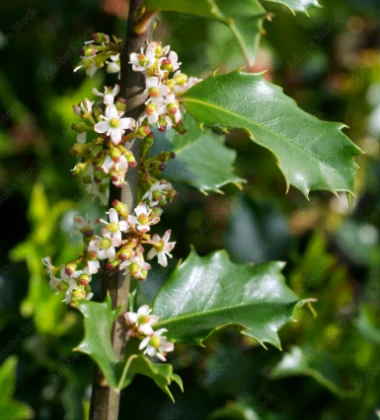
- Bloom Season: Flowers in spring (inconspicuous); winter foliage color peak
- Light Requirements: Full sun to part shade
- Water Needs: Moderate; drought-tolerant once established
- Available at: Both our retail and wholesale locations