China Girl

ILEX X MESERVEAE ‘CHINA GIRL’

What if one plant could give you four-season interest while asking very little in return? ILEX X MESERVEAE ‘CHINA GIRL’ is that rare treasure—a hybrid holly that combines the elegant evergreen structure of a shrub with the jewel-like berries that make winter worth watching. If you’ve walked past a winter garden and found yourself drawn to a flash of red against dark foliage, there’s a good chance you were admiring a China Girl holly. This cultivar has a devoted following among Connecticut gardeners for reasons that become obvious the moment you plant one.

What it looks like

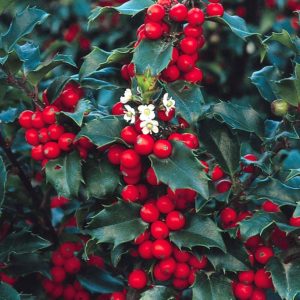
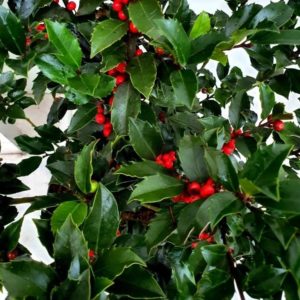
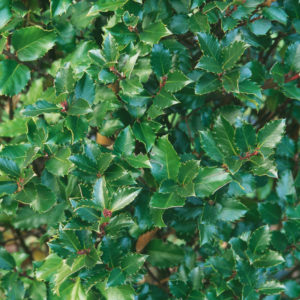
China Girl is a decidedly feminine-looking evergreen shrub with a naturally upright, pyramidal form that feels architectural without being stiff. The glossy, dark green foliage is densely packed along the stems, with leaves that have that characteristic holly spine and sophistication. But the real show happens in fall and winter: prolific bright red berries cluster along the branches, creating an effect so cheerful it feels almost impossible that nature produced it without help. The berries persist well into winter, often lasting through January and February in Connecticut, making this shrub perform when most of the garden has gone dormant. The overall effect is polished and purposeful—this is a plant that looks intentional in the landscape, never weedy or uncertain.

Growing it in your garden

China Girl thrives in Connecticut gardens and genuinely prefers our climate. Plant her in a spot with full sun to part shade—she’ll produce the most abundant berries with at least six hours of direct sun, though she’ll tolerate afternoon shade beautifully. Soil-wise, she’s adaptable but appreciates well-draining conditions; this hybrid was bred for resilience, and while she’ll grow in clay, she rewards you with better performance in improved soil. One important note: holly berries require cross-pollination, which means you’ll want a male holly nearby—typically a China Boy (ILEX X MESERVEAE ‘CHINA BOY’) does the honors. Plant them within 30 to 50 feet of each other, and you’ll have berries for years. Without a pollinator, your China Girl will still be beautiful, but the berries won’t appear. It’s worth planning for.

Through the seasons

Spring arrives quietly with subtle growth and new foliage emerging in a slightly lighter shade of green before darkening to the rich color you expect. Early summer brings tiny cream-colored flowers that are utterly charming if you look closely—they’re delicately fragrant and alive with pollinators. The flowers are fleeting but essential; this is when the magic of future berries is determined. By midsummer, fruit is already forming, though you won’t see the color yet. As temperatures drop in fall, the berries deepen from orange-red to that brilliant scarlet that makes December gardens sing. Winter finds her at her most glamorous—a dark evergreen column studded with red jewels, standing strong while deciduous plants sleep around her. Early spring brings the cycle around again, though this time with the promise of new growth.

Where it shines

Plant China Girl in formal settings where her upright form adds structure and elegance—she’s perfect for framing a gateway or anchoring a corner. She’s exceptional in mixed shrub borders, where her winter berries provide visual interest when most companions have faded. Use her as a specimen plant where her form can be fully appreciated, or line a driveway with several plants for a sophisticated entrance sequence. She also shines in cottage-style gardens, bringing a traditional touch that feels at home in New England landscapes. If you’re designing a winter garden—those beds specifically composed to be beautiful during the cold months—China Girl is absolutely essential.

Perfect companions

Pair China Girl with evergreens that respect her drama without competing: dwarf Alberta spruces, boxwoods, and Japanese hollies all make excellent neighbors. For seasonal interest, underplant with hellebores and winter-blooming heathers. Deciduous companions like serviceberry and chokeberry provide contrasting form and their own winter structure. Ornamental grasses like Miscanthus add movement and texture, their faded winter plumes complementing rather than overwhelming the holly’s presence.

Care tips

China Girl needs minimal fussing once established. Water regularly during her first growing season to encourage deep rooting, then she’s quite drought-tolerant for an evergreen. Fertilize lightly in spring with a balanced, slow-release formula—hollies don’t need heavy feeding. Prune in late winter if desired to maintain her shape, though her natural pyramidal form is attractive enough to need little intervention. Watch for spider mites during hot, dry periods, particularly if she’s grown against a warm wall; regular watering usually prevents problems. Scale insects can occasionally appear, but they’re easily managed with horticultural oil spray in early spring.

Quick facts

  • Hardiness Zone: 5b–9
  • Mature Height & Spread: 12–15 feet tall, 6–8 feet wide
  • Bloom Season: Late spring (flowers); winter berries
  • Light Requirements: Full sun to part shade
  • Water Needs: Moderate; water during drought, especially first year
  • Available at: Both our retail and wholesale locations.
China Girl

Category:

The female form with abundant red berries. More heat tolerant than other species.

Zoning: 5-8
Mature Height and Spread: 3-5’
Pot Size (gallons), Height: #3, #7 3’, 4’, 5’

Description

China Girl

ILEX X MESERVEAE ‘CHINA GIRL’

What if one plant could give you four-season interest while asking very little in return? ILEX X MESERVEAE ‘CHINA GIRL’ is that rare treasure—a hybrid holly that combines the elegant evergreen structure of a shrub with the jewel-like berries that make winter worth watching. If you’ve walked past a winter garden and found yourself drawn to a flash of red against dark foliage, there’s a good chance you were admiring a China Girl holly. This cultivar has a devoted following among Connecticut gardeners for reasons that become obvious the moment you plant one.

What it looks like

China Girl is a decidedly feminine-looking evergreen shrub with a naturally upright, pyramidal form that feels architectural without being stiff. The glossy, dark green foliage is densely packed along the stems, with leaves that have that characteristic holly spine and sophistication. But the real show happens in fall and winter: prolific bright red berries cluster along the branches, creating an effect so cheerful it feels almost impossible that nature produced it without help. The berries persist well into winter, often lasting through January and February in Connecticut, making this shrub perform when most of the garden has gone dormant. The overall effect is polished and purposeful—this is a plant that looks intentional in the landscape, never weedy or uncertain.

Growing it in your garden

China Girl thrives in Connecticut gardens and genuinely prefers our climate. Plant her in a spot with full sun to part shade—she’ll produce the most abundant berries with at least six hours of direct sun, though she’ll tolerate afternoon shade beautifully. Soil-wise, she’s adaptable but appreciates well-draining conditions; this hybrid was bred for resilience, and while she’ll grow in clay, she rewards you with better performance in improved soil. One important note: holly berries require cross-pollination, which means you’ll want a male holly nearby—typically a China Boy (ILEX X MESERVEAE ‘CHINA BOY’) does the honors. Plant them within 30 to 50 feet of each other, and you’ll have berries for years. Without a pollinator, your China Girl will still be beautiful, but the berries won’t appear. It’s worth planning for.

Through the seasons

Spring arrives quietly with subtle growth and new foliage emerging in a slightly lighter shade of green before darkening to the rich color you expect. Early summer brings tiny cream-colored flowers that are utterly charming if you look closely—they’re delicately fragrant and alive with pollinators. The flowers are fleeting but essential; this is when the magic of future berries is determined. By midsummer, fruit is already forming, though you won’t see the color yet. As temperatures drop in fall, the berries deepen from orange-red to that brilliant scarlet that makes December gardens sing. Winter finds her at her most glamorous—a dark evergreen column studded with red jewels, standing strong while deciduous plants sleep around her. Early spring brings the cycle around again, though this time with the promise of new growth.

Where it shines

Plant China Girl in formal settings where her upright form adds structure and elegance—she’s perfect for framing a gateway or anchoring a corner. She’s exceptional in mixed shrub borders, where her winter berries provide visual interest when most companions have faded. Use her as a specimen plant where her form can be fully appreciated, or line a driveway with several plants for a sophisticated entrance sequence. She also shines in cottage-style gardens, bringing a traditional touch that feels at home in New England landscapes. If you’re designing a winter garden—those beds specifically composed to be beautiful during the cold months—China Girl is absolutely essential.

Perfect companions

Pair China Girl with evergreens that respect her drama without competing: dwarf Alberta spruces, boxwoods, and Japanese hollies all make excellent neighbors. For seasonal interest, underplant with hellebores and winter-blooming heathers. Deciduous companions like serviceberry and chokeberry provide contrasting form and their own winter structure. Ornamental grasses like Miscanthus add movement and texture, their faded winter plumes complementing rather than overwhelming the holly’s presence.

Care tips

China Girl needs minimal fussing once established. Water regularly during her first growing season to encourage deep rooting, then she’s quite drought-tolerant for an evergreen. Fertilize lightly in spring with a balanced, slow-release formula—hollies don’t need heavy feeding. Prune in late winter if desired to maintain her shape, though her natural pyramidal form is attractive enough to need little intervention. Watch for spider mites during hot, dry periods, particularly if she’s grown against a warm wall; regular watering usually prevents problems. Scale insects can occasionally appear, but they’re easily managed with horticultural oil spray in early spring.

Quick facts

  • Hardiness Zone: 5b–9
  • Mature Height & Spread: 12–15 feet tall, 6–8 feet wide
  • Bloom Season: Late spring (flowers); winter berries
  • Light Requirements: Full sun to part shade
  • Water Needs: Moderate; water during drought, especially first year
  • Available at: Both our retail and wholesale locations.