Description

PICEA GLAUCA ‘CONICA’
If you’ve been searching for a plant that brings year-round structure, stays manageable in size, and actually thrives in Connecticut’s variable climate, the Dwarf Spruce might be exactly what your garden has been waiting for. This compact conifer is the kind of plant that earns its place through sheer reliability—it doesn’t demand much, but it delivers consistently beautiful results through every season. Whether you’re designing a foundation planting, creating a woodland edge, or filling a container on your patio, this little evergreen quietly becomes the backbone of your landscape.
What it looks like
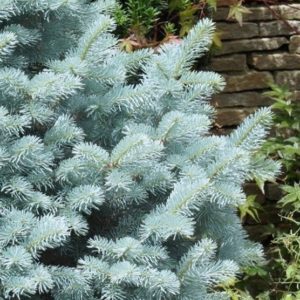
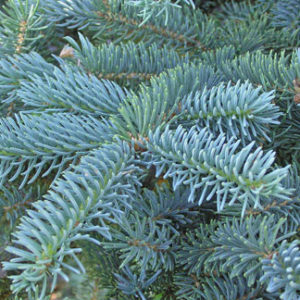
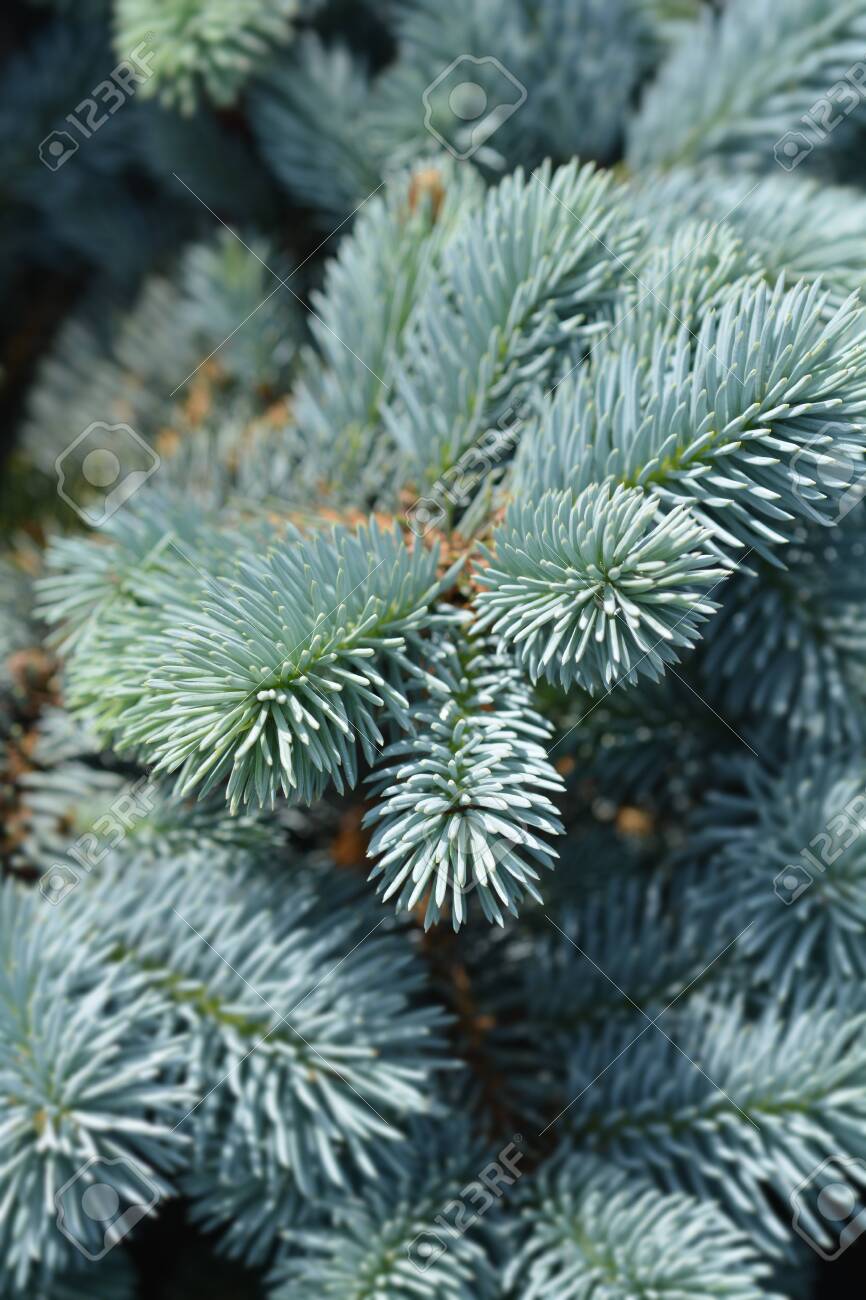
The Dwarf Spruce is a delightfully dense, pyramid-shaped evergreen that looks like a miniature version of the classic Christmas tree. Its soft, feathery needles emerge a fresh lime-green in spring before settling into a rich, deep green as the season progresses. The foliage has an almost touchable quality—finely textured and inviting—and the overall form is so naturally neat and tidy that it practically looks pruned, even when you haven’t touched a branch. At maturity, most cultivars reach 10 to 13 feet tall with a spread of about 3 to 4 feet, though dwarf selections can stay considerably smaller, making them perfect for spaces where height isn’t an option.
Growing it in your garden
Dwarf Spruces are surprisingly forgiving plants for New England gardens. They prefer full sun to partial shade—at least six hours of direct sunlight will keep them looking their absolute best—but they’ll tolerate some afternoon shade, which can actually protect them from harsh winter sun. The key to success is ensuring well-draining soil; these plants dislike waterlogged conditions, so if your garden has heavy clay, working in some sand or perlite at planting time is worth the effort. They’re naturally compact growers, so they won’t require the aggressive pruning that some conifers demand. Plant in spring or early fall to give roots time to establish before extreme temperatures arrive.
Through the seasons
Spring brings that delightful flush of soft, chartreuse new growth that makes everyone stop and notice. By summer, the foliage darkens and densifies into a rich, satisfying green that provides consistent visual weight in the landscape. Fall is when Dwarf Spruces truly shine in Connecticut gardens—while deciduous trees around them are dropping their leaves, this evergreen remains unflinchingly present, providing structure and preventing that bare, exposed feeling. Winter is arguably its finest hour. When snow clings to those soft needles, or when evergreen foliage glows against a gray sky, the Dwarf Spruce becomes a landscape anchor, proving its worth on those long winter months when color and form matter most.
Where it shines
Foundation plantings benefit enormously from Dwarf Spruces—they provide year-round privacy and structure without growing so large that they eventually overwhelm a house. Place them at corners or as sentinels on either side of an entryway for instant polish. In woodland gardens or mixed borders, they provide the evergreen backbone that ties seasonal plantings together. Container plantings love these plants; they’ll thrive in quality potting soil on a sunny patio or deck, bringing year-round interest to spaces where you need it most. They’re also excellent in rock gardens, where their compact form and low water needs make them naturals, and along property lines where you want privacy without the ongoing maintenance demands of larger conifers.
Perfect companions
Pair Dwarf Spruces with shade-tolerant hostas and ferns at their base to break up that expanse of lower branch. Late-season bloomers like sedums and asters look beautiful playing against the steady green. In mixed shrub borders, plant them near serviceberries, chokeberries, or winterberries to create layers of year-round interest. The fine texture of the spruce needles contrasts beautifully with broader-leaved companions like ILEX verticillata or SAMBUCUS. In container gardens, try combining them with trailing ivy, ornamental grasses, or heuchera for a sophisticated mixed planting.
Care tips
Water regularly during the first growing season to establish a deep root system, then reduce watering as the plant matures—it actually prefers drier conditions once established. A light pruning in early spring can help maintain density if desired, though these plants naturally grow in such a pleasing form that pruning is often unnecessary. In Connecticut’s humid summers, ensure adequate air circulation to prevent spider mite issues; if you notice browning or stippling on foliage, increase watering frequency slightly and consider a strong spray of water to discourage pests. Mulching around the base helps retain moisture and keeps roots cool, but keep mulch a few inches away from the trunk itself.
Quick facts
- Hardiness Zone: 2-8
- Mature Height & Spread: 10-13 feet tall, 3-4 feet wide (varies by cultivar; dwarf selections available)
- Bloom Season: Non-flowering; valued for year-round evergreen foliage
- Light Requirements: Full sun to partial shade
- Water Needs: Moderate; prefers well-draining soil and drier conditions once established
- Available at: Both our retail and wholesale locations