CHIONANTHUS VIRGINICUS

What if one plant could deliver ornamental fireworks in late spring, provide food for migrating birds, and ask for almost nothing in return? Meet the Fringe Tree—a native gem that somehow remains underappreciated in Connecticut gardens. This is the plant that makes you stop mid-stride and stare. In May, when most spring bloomers are already fading, CHIONANTHUS VIRGINICUS erupts into clouds of delicate, fragrant flowers so ethereal they look like someone scattered white confetti through the branches. It’s pure magic, and it’s waiting for your garden.

What it looks like

The Fringe Tree is an understated beauty until it flowers. In its dormant months, it’s a well-behaved deciduous shrub or small tree with glossy, deep green leaves that emerge late in spring—which means it won’t get caught by Connecticut’s unpredictable April frosts. The real show happens in May and early June, when the plant becomes almost unrecognizable. Dense panicles of narrow, thread-like petals drape from the branches in such profusion that you can barely see the foliage beneath. The flowers are lightly fragrant, with a sweet, pleasant scent that carries on warm afternoons. Later in summer, if you have a female plant, delicate blue-black drupes appear—small olive-sized fruits that birds absolutely love. The foliage turns a soft yellow-green in fall before dropping, revealing handsome gray bark that has subtle ornamental appeal all winter.

Growing it in your garden

This is where CHIONANTHUS VIRGINICUS really shines for New England gardeners. It’s a native to the southeastern United States, but it’s perfectly cold-hardy through Zone 5 (and into Zone 4 with protection), making it reliable throughout Connecticut. Plant it where it gets full sun to partial shade—it’ll flower more prolifically in sunnier spots, but it’s flexible. It prefers well-draining soil and actually appreciates moisture, making it a solid choice for gardens that don’t dry out to dust in summer. Unlike some ornamental trees that demand constant fussing, the Fringe Tree is content to establish itself with moderate watering and then reward your patience with years of stunning spring displays.

Through the seasons

Spring is obviously its headline moment, but CHIONANTHUS VIRGINICUS has character year-round. Late spring emergence means you can plant other spring ephemerals and early bloomers in its dappled shade without worrying about it overshadowing them. Through summer, the fine-textured foliage provides a soft, elegant presence while birds feast on the fruit. Fall brings that gentle yellow glow before the leaves drop. And winter? That subtle gray bark and naturally upright branching structure add quiet architectural interest to the winter garden. The fruit also persists, providing food for cedar waxwings and other migrating birds right into fall and early winter.

Where it shines

Plant the Fringe Tree as a specimen where its spring performance can be fully appreciated—near a patio, along a pathway, or framed by an entryway. It works beautifully as a multi-stem large shrub or allowed to grow into a small tree (it naturally wants to be about 12-15 feet tall, though it’s easily managed). In a mixed border, it provides vertical interest without the heaviness of larger trees. It’s also excellent for native plant gardens and pollinator-friendly landscapes, since the flowers attract early-season bees and the fruit feeds birds. If you have a spot that gets afternoon shade in Connecticut’s hot summers, CHIONANTHUS VIRGINICUS will appreciate the relief.

Perfect companions

Underplant your Fringe Tree with shade-loving spring bulbs like snowdrops, squill, and hellebores that finish their show before the tree leafs out. Pair it with other native Connecticut favorites like serviceberry (AMELANCHIER) for extended spring interest, or with summer-blooming hydrangeas that appreciate the dappled shade it provides. Dogwoods (CORNUS) are natural companions, and you can edge the planting with shade-tolerant perennials like hellebores or liriope once the tree’s canopy fills in.

Care tips

Plant CHIONANTHUS VIRGINICUS in spring or fall, ensuring it gets established before the hottest months. Water regularly the first year, then moderate watering in subsequent years. This plant needs almost no pruning—just remove any dead wood or crossing branches in late winter if desired. It’s remarkably pest and disease-free in Connecticut gardens. The late leaf emergence means you can easily see the structure of the plant and any necessary pruning work in early spring before growth begins. Don’t fertilize; a healthy native like this thrives in average garden soil.

Quick facts

  • Hardiness Zone: 5 (with protection into 4)
  • Mature Height & Spread: 12–15 feet tall and wide
  • Bloom Season: May–June
  • Light Requirements: Full sun to partial shade (more flowers in full sun)
  • Water Needs: Moderate; prefers consistent moisture
  • Available at: Both our retail and wholesale locations
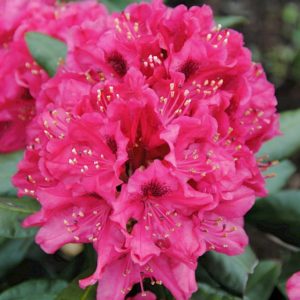
Chionoides

Category:

Medium growing evergreen shrub with dark green, slender foliage. White flowers in late Spring.

Zoning: 4-8
Mature Height and Spread: 4-6’

Description

CHIONANTHUS VIRGINICUS

What if one plant could deliver ornamental fireworks in late spring, provide food for migrating birds, and ask for almost nothing in return? Meet the Fringe Tree—a native gem that somehow remains underappreciated in Connecticut gardens. This is the plant that makes you stop mid-stride and stare. In May, when most spring bloomers are already fading, CHIONANTHUS VIRGINICUS erupts into clouds of delicate, fragrant flowers so ethereal they look like someone scattered white confetti through the branches. It’s pure magic, and it’s waiting for your garden.

What it looks like

The Fringe Tree is an understated beauty until it flowers. In its dormant months, it’s a well-behaved deciduous shrub or small tree with glossy, deep green leaves that emerge late in spring—which means it won’t get caught by Connecticut’s unpredictable April frosts. The real show happens in May and early June, when the plant becomes almost unrecognizable. Dense panicles of narrow, thread-like petals drape from the branches in such profusion that you can barely see the foliage beneath. The flowers are lightly fragrant, with a sweet, pleasant scent that carries on warm afternoons. Later in summer, if you have a female plant, delicate blue-black drupes appear—small olive-sized fruits that birds absolutely love. The foliage turns a soft yellow-green in fall before dropping, revealing handsome gray bark that has subtle ornamental appeal all winter.

Growing it in your garden

This is where CHIONANTHUS VIRGINICUS really shines for New England gardeners. It’s a native to the southeastern United States, but it’s perfectly cold-hardy through Zone 5 (and into Zone 4 with protection), making it reliable throughout Connecticut. Plant it where it gets full sun to partial shade—it’ll flower more prolifically in sunnier spots, but it’s flexible. It prefers well-draining soil and actually appreciates moisture, making it a solid choice for gardens that don’t dry out to dust in summer. Unlike some ornamental trees that demand constant fussing, the Fringe Tree is content to establish itself with moderate watering and then reward your patience with years of stunning spring displays.

Through the seasons

Spring is obviously its headline moment, but CHIONANTHUS VIRGINICUS has character year-round. Late spring emergence means you can plant other spring ephemerals and early bloomers in its dappled shade without worrying about it overshadowing them. Through summer, the fine-textured foliage provides a soft, elegant presence while birds feast on the fruit. Fall brings that gentle yellow glow before the leaves drop. And winter? That subtle gray bark and naturally upright branching structure add quiet architectural interest to the winter garden. The fruit also persists, providing food for cedar waxwings and other migrating birds right into fall and early winter.

Where it shines

Plant the Fringe Tree as a specimen where its spring performance can be fully appreciated—near a patio, along a pathway, or framed by an entryway. It works beautifully as a multi-stem large shrub or allowed to grow into a small tree (it naturally wants to be about 12-15 feet tall, though it’s easily managed). In a mixed border, it provides vertical interest without the heaviness of larger trees. It’s also excellent for native plant gardens and pollinator-friendly landscapes, since the flowers attract early-season bees and the fruit feeds birds. If you have a spot that gets afternoon shade in Connecticut’s hot summers, CHIONANTHUS VIRGINICUS will appreciate the relief.

Perfect companions

Underplant your Fringe Tree with shade-loving spring bulbs like snowdrops, squill, and hellebores that finish their show before the tree leafs out. Pair it with other native Connecticut favorites like serviceberry (AMELANCHIER) for extended spring interest, or with summer-blooming hydrangeas that appreciate the dappled shade it provides. Dogwoods (CORNUS) are natural companions, and you can edge the planting with shade-tolerant perennials like hellebores or liriope once the tree’s canopy fills in.

Care tips

Plant CHIONANTHUS VIRGINICUS in spring or fall, ensuring it gets established before the hottest months. Water regularly the first year, then moderate watering in subsequent years. This plant needs almost no pruning—just remove any dead wood or crossing branches in late winter if desired. It’s remarkably pest and disease-free in Connecticut gardens. The late leaf emergence means you can easily see the structure of the plant and any necessary pruning work in early spring before growth begins. Don’t fertilize; a healthy native like this thrives in average garden soil.

Quick facts

  • Hardiness Zone: 5 (with protection into 4)
  • Mature Height & Spread: 12–15 feet tall and wide
  • Bloom Season: May–June
  • Light Requirements: Full sun to partial shade (more flowers in full sun)
  • Water Needs: Moderate; prefers consistent moisture
  • Available at: Both our retail and wholesale locations