Description

HYDRANGEA PANICULATA ‘FIRELIGHT’
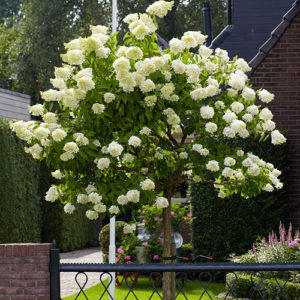
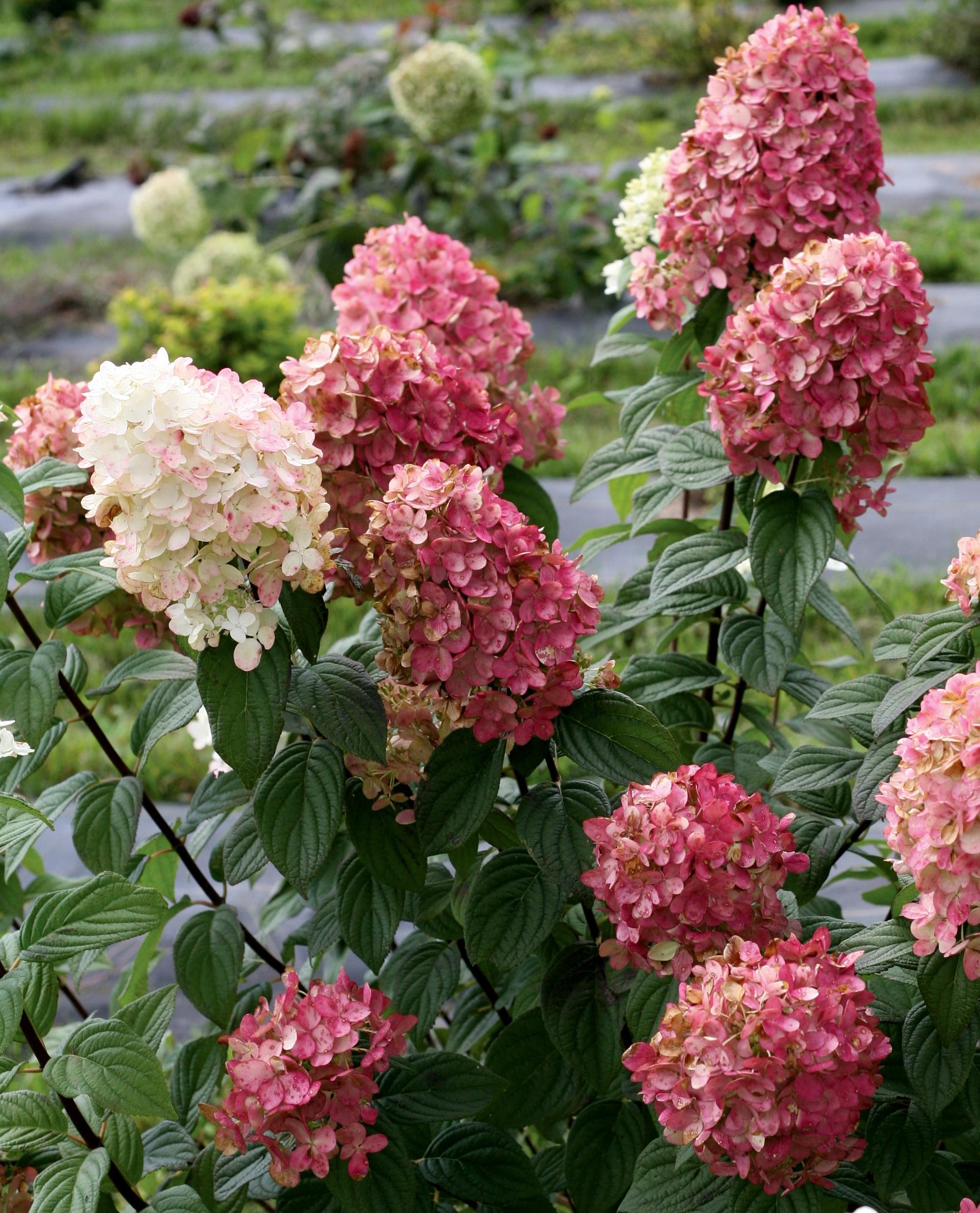
Picture this: it’s late summer in your Connecticut garden, and while most plants are winding down, your Firelight Hydrangea is absolutely *glowing*. Those massive panicles start out creamy white in July, then gradually blush into shades of coral, pink, and finally a deep burgundy-red by fall—like a slow-motion sunset happening right in your beds. It’s the kind of plant that stops neighbors mid-stride and makes you feel like you know some secret about gardening that others don’t.
What it looks like
Firelight is a showstopper with commanding presence. This is a big, bold panicle hydrangea that grows into a sturdy, upright shrub with dense, deep green foliage. The real magic happens in the flowers: enormous, cone-shaped panicles that can reach 12 inches long appear in mid-to-late summer. What makes Firelight truly special is its color evolution. Those flowers emerge in pristine white, then shift through coral and rose tones, settling into a dramatic wine-red or burgundy by autumn. The color progression is gradual and stunning—you’ll find yourself checking on it multiple times a day as the hues deepen. Even after frost, the flowers dry beautifully on the plant, adding textural interest through winter.
Growing it in your garden
Here’s what makes Firelight such a reliable choice for New England gardeners: it’s tough as they come. Panicle hydrangeas are far more forgiving than their bigleaf cousins, and Firelight takes this reputation and runs with it. It thrives in full sun (which actually intensifies those fall colors—the more sun, the more dramatic the red), but it’s also perfectly content with six hours of direct sun. This is a plant that won’t abandon you if you make less-than-perfect choices. Soil-wise, it’s adaptable, though it prefers something reasonably fertile that doesn’t dry out completely. If your garden tends toward dry, mulch well. If it’s on the moist side, that’s fine too—Firelight handles both scenarios without complaint. This is the kind of reliability that lets you plant it and trust it to perform.
Through the seasons
Spring arrives and Firelight leafs out reliably, producing healthy green growth that fills in nicely by early summer. By mid-July, those first white flower panicles begin to emerge, immediately drawing attention. August is when the real color show begins—watch as those cream-white flowers gradually flush with coral and pink tones. By September and into October, you’re looking at rich rose and burgundy hues that deepen as temperatures cool. This extended bloom window is one of Firelight’s greatest gifts to Connecticut gardeners, especially since fall is when our gardens often need the most visual interest. Come winter, cut the spent flower heads back (or leave them for winter texture if you prefer), and the plant slumbers quietly until spring’s return.
Where it shines
Firelight is at its absolute best in mixed borders where its vertical form and changing colors create dynamic interest from summer straight through fall. Plant it where evening light can backlight those translucent flowers—you’ll understand why it earned its name. It’s equally stunning as a specimen in a sunny corner, anchoring a bed, or used in a repeated pattern for maximum impact. Because it blooms on new wood, you don’t have to worry about late frosts zapping your flowers the way you do with other hydrangeas. This is particularly valuable in Connecticut’s unpredictable springs. It also works beautifully in naturalistic plantings where its late-summer blooms can bridge the gap between summer perennials and fall foliage.
Perfect companions
Plant Firelight alongside ornamental grasses like Karl Foerster feather reed grass or Autumn Joy sedum to echo the upright form and enhance the color transitions. Pair it with darker-foliaged plants like Pittosporum or Sambucus nigra ‘Black Lace’ to make the pink and red tones absolutely pop. In front, mass lower-growing perennials like Russian Sage or catmint to soften the base and extend the color theme. Shade-loving hostas or ferns underneath keep the root zone cool and add foliage contrast.
Care tips
Firelight is refreshingly low-maintenance. In spring, you can prune it back by about a third to keep it shaped and dense—don’t be shy. Because it flowers on new growth, you have tremendous flexibility with timing. Water deeply during establishment (the first season), then settle into regular watering during dry spells. A 2-3 inch layer of mulch keeps roots cool and moist. Fertilizing is optional; if your soil is decent, Firelight performs beautifully without supplemental feeding. Deadheading spent flowers in late winter is a matter of preference—many gardeners leave them for winter interest.
Quick facts
- Hardiness Zone: Zones 3–8 (thrives in Connecticut)
- Mature Height & Spread: 6–8 feet tall and wide
- Bloom Season: July through October
- Light Requirements: Full sun to part sun
- Water Needs: Moderate; prefers consistent moisture but adapts to a range
- Available at: Both our retail and wholesale locations