Description
ACER SACCHARUM ‘GREEN MOUNTAIN’
The Sugar Maple is Connecticut’s autumn champion—and Green Mountain might be the finest expression of this beloved native. This cultivar was selected specifically for the Northeast, where it combines everything we ask of a sugar maple: brilliant, reliable fall color that shifts from green to gold to that deep scarlet-orange that makes New England famous, plus outstanding summer performance in our humid climate, plus the strength to handle the stresses that come with being a landscape tree. If you’ve driven through Connecticut in October, you’ve probably fallen in love with a tree like this.
What it looks like
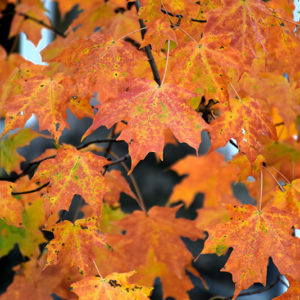
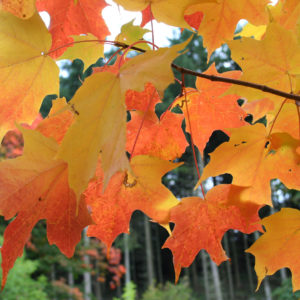
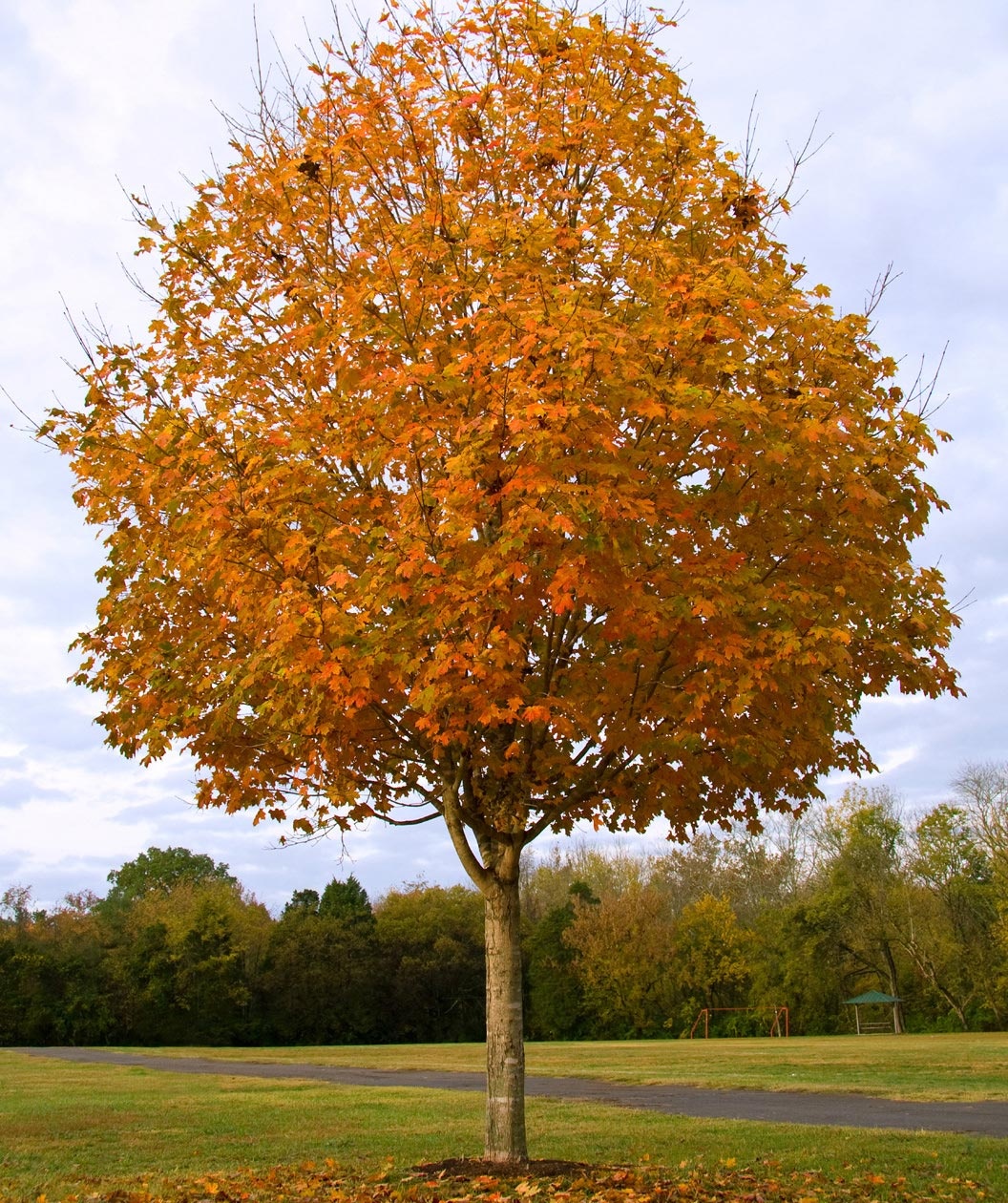
Green Mountain is a deciduous tree with the classic Sugar Maple silhouette—dense, upright, broadly pyramidal when young, eventually becoming more rounded and stately with age. Its lobed leaves are that iconic maple shape, emerging soft green in spring and deepening to a rich, glossy dark green throughout summer. Come autumn, the transformation is what poetry was invented for: the foliage moves through shades of yellow and orange before settling into a genuine deep red that can stop traffic. Even the seeds (samaras) are attractive, those classic spinning helicopters that kids have been tossing in the air for generations.
Growing it in your garden
Here’s what makes Green Mountain special: it was bred to thrive in our exact climate. While standard sugar maples can be fussy about humidity and heat stress, this cultivar handles Connecticut summers with grace. Plant it in full sun to partial shade—it’ll color better with at least six hours of direct sun, but it’s more forgiving than many ornamental trees. It prefers well-draining soil on the slightly acidic side, which describes most New England gardens perfectly. The root system is moderate and manageable, so it won’t wreck your foundation or buckle your driveway the way some large trees do.
Through the seasons
Spring arrives with Green Mountain’s emergence of soft new growth, sometimes with reddish tints. Summer is when you’ll appreciate the dense canopy and deep green color—it’s a tree that provides real shade and doesn’t look tired by August like some maples do in our humidity. Fall is the showstopper, with that reliable color shift happening consistently year after year, typically peaking in October. Winter reveals attractive bark and a strong branching structure that reads well from a distance, plus those persistent seeds add visual interest.
Where it shines
This is a tree for prominent places. Use it as a specimen in a front yard where its fall color can be fully appreciated. It’s equally at home as a shade tree in a larger garden, as part of a mixed tree planting, or lining a driveway where it won’t cause infrastructure problems. Green Mountain grows tall enough and wide enough to make a real statement without becoming unmanageable. In community settings, parks, and institutional landscapes, it’s becoming the go-to choice because it’s predictable, healthy, and connects people to the natural beauty of New England.
Perfect companions
Plant shade-tolerant understory plants beneath the Green Mountain’s canopy—native hostas, hellebores, and woodland sedges all appreciate the dappled light. For seasonal interest, pair it with spring-flowering trees like native redbuds or crabapples that won’t compete for attention. In mixed borders, the tree’s strong vertical presence anchors plantings of New England shrubs like elderberry, viburnum, or winterberry. Native perennials like black-eyed Susans and coneflowers work beautifully in the transition zone between shade and sun at the tree’s edge.
Care tips
Water regularly during establishment—the first two years are critical. Once established, Green Mountain is drought-tolerant compared to many maples, though it appreciates consistent moisture during hot, dry spells. Mulch around the base (keeping it away from the trunk) to keep roots cool. Prune only to remove crossing branches or to shape when young; mature trees need minimal pruning. Be cautious with lawn chemicals near the base; sugar maples prefer a natural, mulched root zone. Watch for native pests and diseases, but Green Mountain’s vigor means it generally shrugs them off. There’s no need to fertilize if your soil is reasonably healthy.
Quick facts
- Hardiness Zone: 3–8 (reliably hardy throughout Connecticut)
- Mature Height & Spread: 50–60 feet tall, 40 feet wide at maturity
- Bloom Season: Early spring (inconspicuous flowers); fall foliage peaks October
- Light Requirements: Full sun to partial shade (prefers 6+ hours of direct sun)
- Water Needs: Moderate; consistent moisture during establishment and droughts
- Available at: Both our retail and wholesale locations