ACER RUBRUM ‘BRANDYWINE’

The Brandywine Red Maple isn’t just another shade tree—it’s Connecticut’s answer to year-round garden drama. While most trees fade into green anonymity come July, this cultivar delivers a performance that starts early spring and doesn’t quit until hard frost. If you want a tree that commands attention without demanding the fussiness of some ornamentals, Brandywine is your answer.

What it looks like

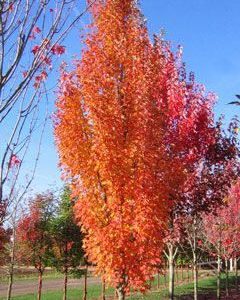
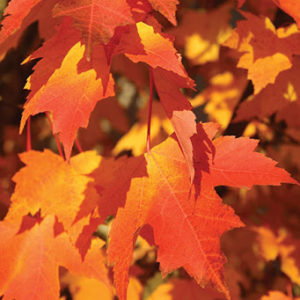
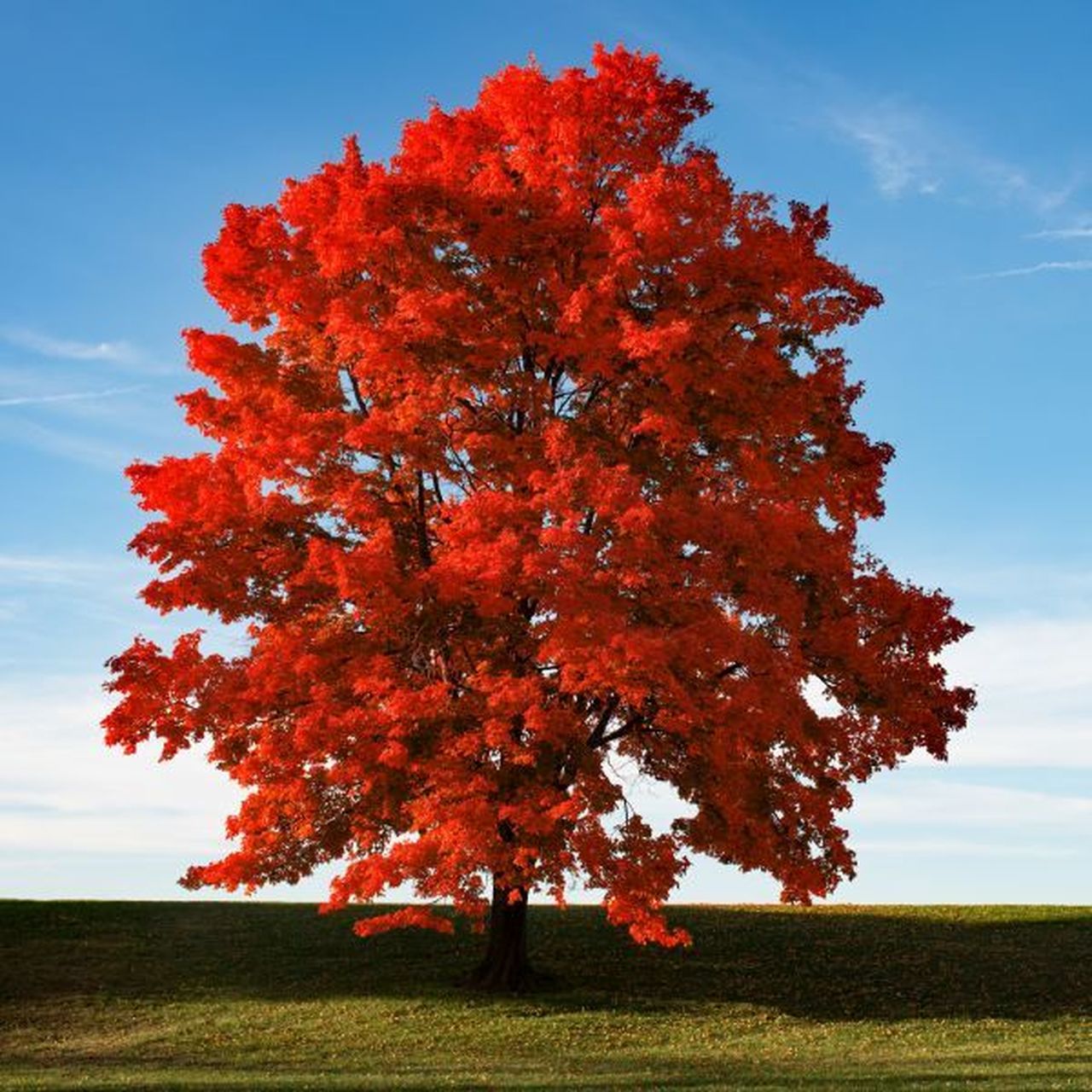
Brandywine Red Maple is a medium-sized deciduous tree with a naturally upright, oval crown that becomes denser with age. The leaves emerge in stunning shades of deep red and burgundy in spring—a color so rich it almost looks unnatural. As the season progresses into summer, the foliage deepens to a handsome dark green, but those new stems and petioles maintain that signature red flush that gives this species its name. Come autumn, the whole performance builds to a crescendo: fiery deep red and burgundy leaves that linger well into November, creating that postcard-worthy New England fall palette we all crave.

The branching structure is elegant and refined, with a slightly weeping tendency that adds movement and grace. Even in winter, the bare branches have a reddish cast, especially noticeable on younger wood—so this tree earns its keep even after the leaves have fallen.

Growing it in your garden

Here’s where Brandywine Red Maple really shines: it’s one of the most adaptable trees for Connecticut’s variable conditions. Unlike some ornamentals that sulk if conditions aren’t perfect, Brandywine handles both wet and dry soils with impressive equanimity. Got a low-lying area in your yard that stays moist spring through early summer? Brandywine laughs in the face of that situation. Planted in drier upland soil? It thrives there too.

Give it full sun to part shade, though you’ll get the most spectacular foliage color in full sun conditions. The tree is remarkably cold-hardy, sailing through New England winters without hesitation. Plant it in spring or fall, and water regularly during the first season to establish a strong root system. Once established, Brandywine is quite independent.

Through the seasons

Spring arrives early with Brandywine—those red buds swell and break into deeply colored new growth while many other trees are still sleeping. By late May and June, the red flowers appear on the bare branches (sometimes slightly obscured by emergent foliage), adding another ornamental layer before the tree fully leafs out. Summer is understated elegance: the deep green canopy with its persistent red stems creates subtle texture and interest. Fall is the main event, with that transition from muted burgundy through brilliant scarlet. Winter? The persistent reddish twigs and branches give structural interest all season long.

Where it shines

Brandywine Red Maple is a natural choice for situations where you want a specimen tree—something that stands alone and earns that premium real estate. It’s equally stunning as part of a small grouping, perhaps mixed with evergreens that will make those fall colors pop even more dramatically. The moderate mature size makes it manageable for residential properties while still delivering significant visual impact. Plant it where you can see it from a window or from your porch; you’ll find yourself drawn to watching its seasonal transformations. It also does excellent work in bioswales and rain gardens, thanks to its tolerance for periodic moisture.

Perfect companions

Pair Brandywine Red Maple with understory trees like Eastern Dogwood or native Redbud to create a layered landscape. Evergreens—perhaps a tall Emerald Green Arborvitae or a stately Concolor Fir—make brilliant companions that will showcase those red fall colors. At ground level, use native shade-tolerant shrubs like Inkberry Holly or Viburnum. These plantings respect the maple’s horizontal space while creating a polished, cohesive composition.

Care tips

Brandywine Red Maple is remarkably low-maintenance once established. Water during droughts, especially in the first growing season. Prune only to remove dead or damaged wood; this tree naturally develops a pleasing form. It’s not particularly susceptible to pests or diseases in Connecticut, though you may occasionally see some aphids in summer—these rarely cause significant damage. Avoid planting in compacted soil, and don’t mulch right up against the trunk. A light feeding in early spring with balanced fertilizer keeps it vigorous, though established trees rarely require supplemental feeding if they’re growing in decent soil.

Quick facts

  • Hardiness Zone: 3-9
  • Mature Height & Spread: 45-50 feet tall, 25-35 feet wide
  • Bloom Season: Early spring (red flowers before leaves emerge)
  • Light Requirements: Full sun to part shade (full sun for best fall color)
  • Water Needs: Moderate; tolerates both wet and dry soils once established
  • Available at: Both our retail and wholesale locations.
Brandywine Red Maple

Category:

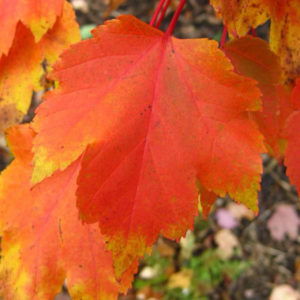
The Brandywine Maple is a deciduous tree with fall foliage that begins red and turns a purple-red. The tree also produces flowers in early spring.

Zoning: 4-9

Description

ACER RUBRUM ‘BRANDYWINE’

The Brandywine Red Maple isn’t just another shade tree—it’s Connecticut’s answer to year-round garden drama. While most trees fade into green anonymity come July, this cultivar delivers a performance that starts early spring and doesn’t quit until hard frost. If you want a tree that commands attention without demanding the fussiness of some ornamentals, Brandywine is your answer.

What it looks like

Brandywine Red Maple is a medium-sized deciduous tree with a naturally upright, oval crown that becomes denser with age. The leaves emerge in stunning shades of deep red and burgundy in spring—a color so rich it almost looks unnatural. As the season progresses into summer, the foliage deepens to a handsome dark green, but those new stems and petioles maintain that signature red flush that gives this species its name. Come autumn, the whole performance builds to a crescendo: fiery deep red and burgundy leaves that linger well into November, creating that postcard-worthy New England fall palette we all crave.

The branching structure is elegant and refined, with a slightly weeping tendency that adds movement and grace. Even in winter, the bare branches have a reddish cast, especially noticeable on younger wood—so this tree earns its keep even after the leaves have fallen.

Growing it in your garden

Here’s where Brandywine Red Maple really shines: it’s one of the most adaptable trees for Connecticut’s variable conditions. Unlike some ornamentals that sulk if conditions aren’t perfect, Brandywine handles both wet and dry soils with impressive equanimity. Got a low-lying area in your yard that stays moist spring through early summer? Brandywine laughs in the face of that situation. Planted in drier upland soil? It thrives there too.

Give it full sun to part shade, though you’ll get the most spectacular foliage color in full sun conditions. The tree is remarkably cold-hardy, sailing through New England winters without hesitation. Plant it in spring or fall, and water regularly during the first season to establish a strong root system. Once established, Brandywine is quite independent.

Through the seasons

Spring arrives early with Brandywine—those red buds swell and break into deeply colored new growth while many other trees are still sleeping. By late May and June, the red flowers appear on the bare branches (sometimes slightly obscured by emergent foliage), adding another ornamental layer before the tree fully leafs out. Summer is understated elegance: the deep green canopy with its persistent red stems creates subtle texture and interest. Fall is the main event, with that transition from muted burgundy through brilliant scarlet. Winter? The persistent reddish twigs and branches give structural interest all season long.

Where it shines

Brandywine Red Maple is a natural choice for situations where you want a specimen tree—something that stands alone and earns that premium real estate. It’s equally stunning as part of a small grouping, perhaps mixed with evergreens that will make those fall colors pop even more dramatically. The moderate mature size makes it manageable for residential properties while still delivering significant visual impact. Plant it where you can see it from a window or from your porch; you’ll find yourself drawn to watching its seasonal transformations. It also does excellent work in bioswales and rain gardens, thanks to its tolerance for periodic moisture.

Perfect companions

Pair Brandywine Red Maple with understory trees like Eastern Dogwood or native Redbud to create a layered landscape. Evergreens—perhaps a tall Emerald Green Arborvitae or a stately Concolor Fir—make brilliant companions that will showcase those red fall colors. At ground level, use native shade-tolerant shrubs like Inkberry Holly or Viburnum. These plantings respect the maple’s horizontal space while creating a polished, cohesive composition.

Care tips

Brandywine Red Maple is remarkably low-maintenance once established. Water during droughts, especially in the first growing season. Prune only to remove dead or damaged wood; this tree naturally develops a pleasing form. It’s not particularly susceptible to pests or diseases in Connecticut, though you may occasionally see some aphids in summer—these rarely cause significant damage. Avoid planting in compacted soil, and don’t mulch right up against the trunk. A light feeding in early spring with balanced fertilizer keeps it vigorous, though established trees rarely require supplemental feeding if they’re growing in decent soil.

Quick facts

  • Hardiness Zone: 3-9
  • Mature Height & Spread: 45-50 feet tall, 25-35 feet wide
  • Bloom Season: Early spring (red flowers before leaves emerge)
  • Light Requirements: Full sun to part shade (full sun for best fall color)
  • Water Needs: Moderate; tolerates both wet and dry soils once established
  • Available at: Both our retail and wholesale locations.