Description

ACER RUBRUM ‘OCTOBER GLORY’
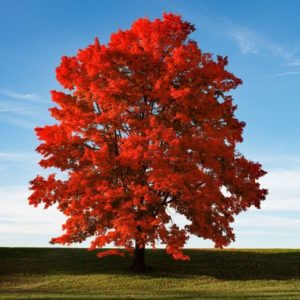
The Sugar Maple might get all the poetry, but if you want reliable, breathtaking fall color that shows up year after year without the temperamental fussiness, October Glory Maple is your answer. This cultivar of the native Red Maple was selected specifically for one thing: delivering the kind of autumn performance that stops traffic. We’re talking deep crimson, burgundy, and scarlet—the colors that make people pull over on country roads just to stare. And here’s what really matters: it does this consistently, even when Connecticut’s fall weather decides to be unpredictable.
What it looks like
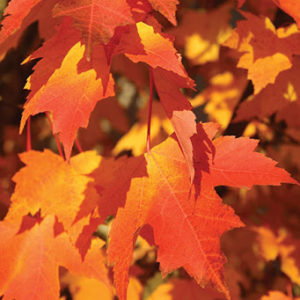
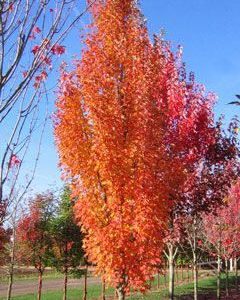
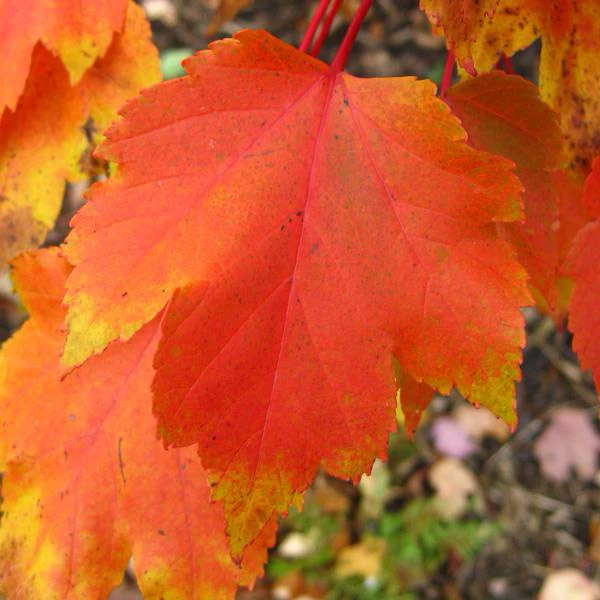
October Glory grows into a naturally pyramidal shape with a strong, straight trunk and dense branching. The foliage is finely textured with deeply lobed leaves that transition from glossy dark green in summer to that showstopping crimson in autumn. The red doesn’t fade to brown or orange—it holds that true red color longer than almost any other maple we grow. In spring, the tree produces delicate red flowers before the leaves emerge, adding another subtle layer of interest. The bark develops an attractive gray tone as the tree matures.
Growing it in your garden
This is where October Glory really earns its place in New England gardens. Unlike some of the fussier Japanese maples, October Glory is tough as nails. It adapts well to a range of soil types, including slightly acidic to neutral pH, and it tolerates both wet feet and periods of drought better than most other maples. While it prefers full sun for that most vibrant color, it’ll perform respectably in part shade. Plant it where you can see it from your house—that’s the real point here. In Connecticut’s Zone 5 climate, this tree is bulletproof.
Through the seasons
Spring brings those subtle red flowers that catch the light beautifully, even if you miss them because you’re busy with garden cleanup. Summer is all green foliage and cool, dappled shade if you’re lucky enough to sit under it. Then autumn arrives, and October Glory delivers its promised performance. The color show typically peaks in mid-to-late October (hence the name), and the leaves hold on longer than many other maples, giving you a longer window to enjoy them. Winter reveals a shapely silhouette with handsome bark, nice in a quiet way.
Where it shines
October Glory is at home as a specimen tree—give it a spot where it’s the star of the show. It’s perfect for creating a focal point in your landscape that’ll have your neighbors asking questions. Plant it where afternoon light can shine through those red autumn leaves from behind, and you’ll get an almost glowing effect. It works beautifully as a street tree if you have room, and it’s excellent for residential lots where you want height and structure without spreading too wide. The moderate spread means it won’t outgrow smaller properties the way some native maples can.
Perfect companions
Underplant October Glory with shade-tolerant perennials like autumn Ferns, Liriope, or Hellebores. At the shrub level, Oakleaf Hydrangea provides structure and its own white flower interest in summer, while early-flowering Rhododendrons echo the understory feel of natural New England woodlands. Ornamental grasses like Panicum or Miscanthus create a beautiful contrast with the maple’s vertical structure and glow beautifully when backlit alongside those red leaves. Keep the area around the base relatively clear so you can appreciate that architectural branching structure.
Care tips
October Glory is genuinely low-maintenance once established. Water regularly the first year to help the roots settle in, then it’s quite drought-tolerant. Prune in late winter if needed, removing any crossing or damaged branches and maintaining that natural pyramidal shape. Don’t over-fertilize—maples prefer lean conditions, and too much nitrogen promotes weak growth. In Connecticut’s climate, you won’t need to worry about pest or disease problems; this cultivar is notably resistant to issues that plague some other maples. That’s honestly the whole secret: choose the right tree for your region, plant it properly, and then largely leave it alone.
Quick facts
- Hardiness Zone: 3-9 (thrives throughout Connecticut)
- Mature Height & Spread: 40-50 feet tall, 20-30 feet wide
- Bloom Season: Spring (flowers), Peak Fall Color October
- Light Requirements: Full sun to part shade
- Water Needs: Moderate; adapts to wet or dry conditions once established
- Available at: Both our retail and wholesale locations.