Armstrong Maple

ACER X FREEMANII ‘ARMSTRONG’

The Armstrong Maple is Connecticut’s answer to the gardener who wants all the drama of a sugar maple but in a more practical package. This hybrid creation—a cross between the red maple and silver maple—gives you a narrow, columnar silhouette that fits beautifully into modern landscapes without taking over your entire yard. If you’ve ever loved a maple’s fall color but worried about the sheer size of a mature tree, this one changes everything.

What it looks like

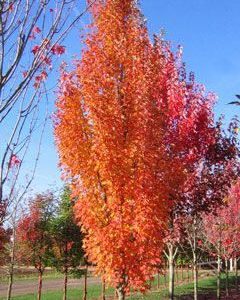
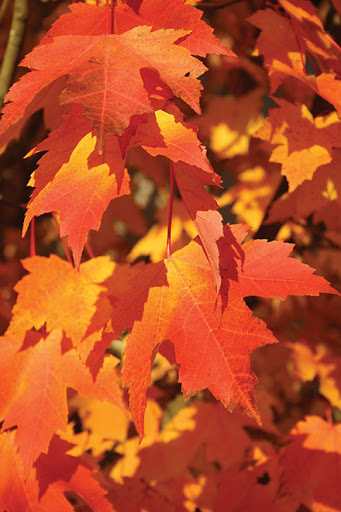
Picture a maple that grows tall and slender, almost like a living exclamation point in your garden. The Armstrong rises with a distinctly vertical habit, its branching tight and upright rather than spreading wide. The leaves are deeply lobed and finely textured—a brilliant green throughout summer that transforms into shades of orange and red come autumn. It’s a more refined silhouette than many maples, which makes it perfect for landscapes where you need height without sprawl. The bark develops a subtle gray-brown character as the tree matures, adding winter interest when the leaves have fallen.

Growing it in your garden

The Armstrong Maple is remarkably adaptable to Connecticut’s growing conditions. It prefers full sun to partial shade—aim for at least four hours of direct sunlight daily to encourage that stunning fall color. Unlike some maples that are fussy about soil, the Armstrong tolerates a wide range of soil types, though it performs best in consistently moist, well-draining conditions. It’s not particularly drought-tolerant, so you’ll want to establish a good watering routine during its first few years, especially during our hot New England summers. The tree establishes faster than many maples, which means you’ll see significant growth in just a few seasons.

Through the seasons

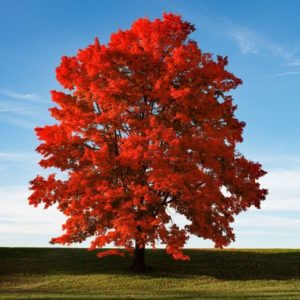
Spring arrives with delicate flowers that emerge before the leaves fully unfurl—nothing showy, but charming in their subtlety. The fresh, bright green foliage that follows is a welcome relief after winter, creating an airy canopy throughout summer. By midsummer, you’ve got a cool, columnar presence in the garden. Then comes the real show: autumn transforms this tree into a column of fire, with reds and oranges that seem to glow as the days shorten. Winter reveals the tree’s elegant branching structure, making it visually interesting even when bare. It’s the kind of tree that earns its place in the landscape year-round.

Where it shines

The Armstrong Maple is a problem-solver for narrow spaces. Use it as a living screen along property lines, as a striking accent beside an entryway, or to create vertical interest in small to medium-sized Connecticut gardens. It works beautifully in groupings of odd numbers—three or five spaced thoughtfully creates a sophisticated, modern look. Because of its narrow footprint, it’s ideal for parking areas, courtyards, or anywhere you want height without shade that’s too dense. It’s also stunning as a specimen tree where you want all eyes drawn upward.

Perfect companions

Pair the Armstrong with lower-growing understory plants to showcase its architectural quality. Oakleaf hydrangeas work beautifully at its base, their white flower cones creating contrast with the maple’s fine foliage. Japanese forest grass (HAKONECHLOA MACRA) softens the space around the trunk with cascading texture. For spring interest, plant shade-tolerant bulbs like snowdrops and hellebores beneath the canopy. As a backdrop, the Armstrong also makes other shrubs and perennials pop—try pairing it with burgundy-leaved plants like heuchera or deeper-toned hydrangeas to echo its fall colors even in summer.

Care tips

Water deeply and regularly during the first two to three years after planting—this gets the tree through establishment. Apply two to three inches of mulch around the base, keeping it a few inches away from the trunk itself. Pruning is minimal; the Armstrong’s naturally upright form requires little corrective work. If you do need to prune, do it in late winter while the tree is dormant. Watch for scale insects and spider mites, which occasionally trouble maples in Connecticut—good air circulation and regular watering help prevent stress that makes trees vulnerable to pests. No fertilizer needed if you’re using mulch, which breaks down and feeds the soil naturally.

Quick facts

  • Hardiness Zone: 4-8 (perfect for Connecticut)
  • Mature Height & Spread: 50-60 feet tall, 15-20 feet wide
  • Bloom Season: Spring (inconspicuous flowers)
  • Light Requirements: Full sun to partial shade
  • Water Needs: Moderate; consistent moisture preferred, especially during establishment
  • Available at: Both our retail and wholesale locations
Armstrong Maple

Category:

A rapid growing columnar form species with attractive foliage.

Zoning: 3-8
Mature Height and Spread: 50-70’ & 15’

Description

Armstrong Maple

ACER X FREEMANII ‘ARMSTRONG’

The Armstrong Maple is Connecticut’s answer to the gardener who wants all the drama of a sugar maple but in a more practical package. This hybrid creation—a cross between the red maple and silver maple—gives you a narrow, columnar silhouette that fits beautifully into modern landscapes without taking over your entire yard. If you’ve ever loved a maple’s fall color but worried about the sheer size of a mature tree, this one changes everything.

What it looks like

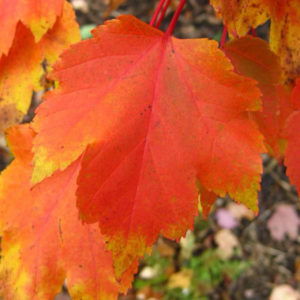
Picture a maple that grows tall and slender, almost like a living exclamation point in your garden. The Armstrong rises with a distinctly vertical habit, its branching tight and upright rather than spreading wide. The leaves are deeply lobed and finely textured—a brilliant green throughout summer that transforms into shades of orange and red come autumn. It’s a more refined silhouette than many maples, which makes it perfect for landscapes where you need height without sprawl. The bark develops a subtle gray-brown character as the tree matures, adding winter interest when the leaves have fallen.

Growing it in your garden

The Armstrong Maple is remarkably adaptable to Connecticut’s growing conditions. It prefers full sun to partial shade—aim for at least four hours of direct sunlight daily to encourage that stunning fall color. Unlike some maples that are fussy about soil, the Armstrong tolerates a wide range of soil types, though it performs best in consistently moist, well-draining conditions. It’s not particularly drought-tolerant, so you’ll want to establish a good watering routine during its first few years, especially during our hot New England summers. The tree establishes faster than many maples, which means you’ll see significant growth in just a few seasons.

Through the seasons

Spring arrives with delicate flowers that emerge before the leaves fully unfurl—nothing showy, but charming in their subtlety. The fresh, bright green foliage that follows is a welcome relief after winter, creating an airy canopy throughout summer. By midsummer, you’ve got a cool, columnar presence in the garden. Then comes the real show: autumn transforms this tree into a column of fire, with reds and oranges that seem to glow as the days shorten. Winter reveals the tree’s elegant branching structure, making it visually interesting even when bare. It’s the kind of tree that earns its place in the landscape year-round.

Where it shines

The Armstrong Maple is a problem-solver for narrow spaces. Use it as a living screen along property lines, as a striking accent beside an entryway, or to create vertical interest in small to medium-sized Connecticut gardens. It works beautifully in groupings of odd numbers—three or five spaced thoughtfully creates a sophisticated, modern look. Because of its narrow footprint, it’s ideal for parking areas, courtyards, or anywhere you want height without shade that’s too dense. It’s also stunning as a specimen tree where you want all eyes drawn upward.

Perfect companions

Pair the Armstrong with lower-growing understory plants to showcase its architectural quality. Oakleaf hydrangeas work beautifully at its base, their white flower cones creating contrast with the maple’s fine foliage. Japanese forest grass (HAKONECHLOA MACRA) softens the space around the trunk with cascading texture. For spring interest, plant shade-tolerant bulbs like snowdrops and hellebores beneath the canopy. As a backdrop, the Armstrong also makes other shrubs and perennials pop—try pairing it with burgundy-leaved plants like heuchera or deeper-toned hydrangeas to echo its fall colors even in summer.

Care tips

Water deeply and regularly during the first two to three years after planting—this gets the tree through establishment. Apply two to three inches of mulch around the base, keeping it a few inches away from the trunk itself. Pruning is minimal; the Armstrong’s naturally upright form requires little corrective work. If you do need to prune, do it in late winter while the tree is dormant. Watch for scale insects and spider mites, which occasionally trouble maples in Connecticut—good air circulation and regular watering help prevent stress that makes trees vulnerable to pests. No fertilizer needed if you’re using mulch, which breaks down and feeds the soil naturally.

Quick facts

  • Hardiness Zone: 4-8 (perfect for Connecticut)
  • Mature Height & Spread: 50-60 feet tall, 15-20 feet wide
  • Bloom Season: Spring (inconspicuous flowers)
  • Light Requirements: Full sun to partial shade
  • Water Needs: Moderate; consistent moisture preferred, especially during establishment
  • Available at: Both our retail and wholesale locations