HELLER’S JAPANESE HOLLY (ILEX CRENATA ‘HELLERI’)

If you’ve been searching for a compact evergreen that actually stays compact, that doesn’t turn brown in Connecticut winters, and that responds beautifully to shaping, Heller’s Japanese Holly is your answer. This is the kind of plant that makes gardeners feel clever—it does exactly what you want it to do, year after year, without drama or disappointment.

What it looks like

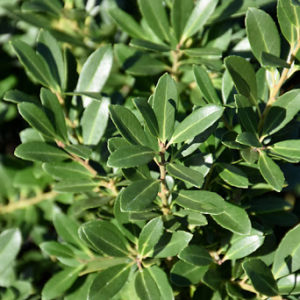
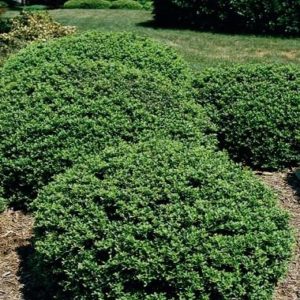
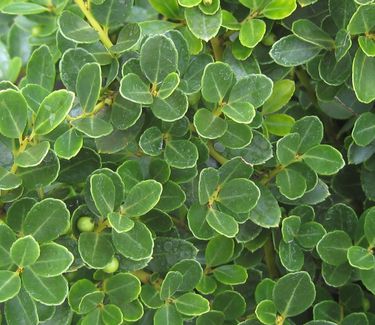
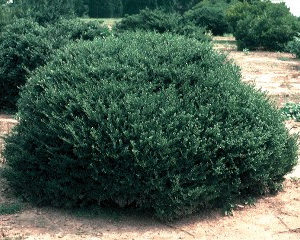
Heller’s Japanese Holly is a study in refined elegance. Imagine a tiny-leaved evergreen with a naturally dense, mounding habit that looks like it’s already been professionally manicured, even when you haven’t touched it. The foliage is impossibly fine—those delicate, glossy leaves are barely a quarter-inch long, creating an almost feathery texture that’s entirely different from the bold statements made by larger-leaved hollies. The overall effect is sophisticated and architectural, with a soft, touchable quality that invites you to run your fingers across it. In fall and winter, the deep, rich green becomes even more prominent, providing color when so much of the garden has faded to dormancy.

Growing it in your garden

Here’s what makes Heller’s Japanese Holly such a reliable performer in New England gardens: it’s genuinely unfussy. Plant it in full sun to partial shade—it handles both with equal grace, though it’ll develop denser growth in full sun. Unlike some hollies that sulk in Connecticut’s acidic soils, ILEX CRENATA ‘HELLERI’ adapts beautifully to our native conditions. It prefers consistently moist (but not waterlogged) soil, so if you have a spot that stays reasonably hydrated through the growing season, you’re golden. That said, it’s more forgiving of dry conditions than you’d expect once established, making it a flexible choice for various garden microclimates.

The real advantage here is its natural restraint. While other shrubs are making you reach for the pruners twice a season, Heller’s maintains its tidy mounding form with minimal intervention. This is the plant for gardeners who want structure without being a prisoner to pruning shears.

Through the seasons

Spring brings fresh new growth that’s noticeably brighter than the older foliage—a subtle awakening that adds depth and visual interest. The tiny flowers that appear in late spring are absolutely inconspicuous (you’d never notice them unless you got your nose right up to the plant), but they’re part of the charm of this species. Summer is when Heller’s truly shines, maintaining perfect form and color without breaking a sweat through New England’s humidity. Fall brings no dramatic color change—it stays that beautiful evergreen throughout—but there’s comfort in that constancy when deciduous plants are doing their busy dropping act. Winter is where this holly earns its keep: while many broadleaved evergreens look bruised and brown after harsh Connecticut winters, Heller’s emerges clean and unblemished, as though it were never in any danger at all.

Where it shines

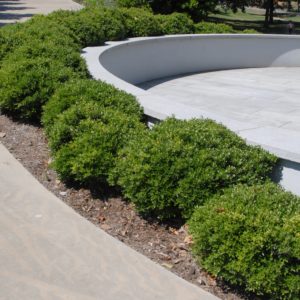
Think of Heller’s Japanese Holly as your secret weapon for small spaces. It’s perfect for foundation plantings where you need something that won’t eventually block windows or encroach on walkways. Rock gardens, container arrangements (it’s one of the few shrubs that truly appreciates this kind of display), and formal garden designs all benefit from its fine texture and cooperative nature. It’s also excellent for creating low hedges—patient gardeners find that it takes to shearing beautifully if you want something more geometric than its natural form provides. In mixed borders, it plays well with others, its delicate foliage acting as a foil to bolder textures and brighter colors.

Perfect companions

Pair Heller’s Japanese Holly with Japanese Pieris (PIERIS JAPONICA) for a shade garden with year-round interest. Combine it with Coral Bells for color contrast that plays off the holly’s refined greenery. In sunnier spots, try it alongside Dwarf Alberta Spruce or fine-textured grasses like Japanese Forest Grass for a garden that celebrates delicate architecture. It also works beautifully with shade-loving hostas or hellebores, where its evergreen presence anchors the seasonal changes around it.

Care tips

Water regularly during the first growing season to establish a deep root system. After that, it’s fairly independent, though you’ll appreciate the results if you water during Connecticut’s occasional dry spells. There’s no need for routine fertilizing if your soil is reasonably decent—this isn’t a plant that demands feeding. If you want to prune it, do so in spring; light pruning throughout the growing season maintains shape without stressing the plant. The main thing to remember is that this holly prefers not to dry out completely, so mulching helps maintain consistent moisture and keeps the shallow root system happy.

Quick facts

  • Hardiness Zone: Zones 5-8 (thoroughly reliable in Connecticut)
  • Mature Height & Spread: 3-4 feet tall and wide (but very responsive to pruning)
  • Bloom Season: Late spring (inconspicuous flowers)
  • Light Requirements: Full sun to partial shade
  • Water Needs: Moderate; prefers consistently moist soil
  • Available at: Both our retail and wholesale locations
Heller’s

Category:

A low growing, mounded form from of Japanese Holly. Good for low hedge or border planting.

Zoning: 5-8
Mature Height and Spread: 3’ & 4’

Description

HELLER’S JAPANESE HOLLY (ILEX CRENATA ‘HELLERI’)

If you’ve been searching for a compact evergreen that actually stays compact, that doesn’t turn brown in Connecticut winters, and that responds beautifully to shaping, Heller’s Japanese Holly is your answer. This is the kind of plant that makes gardeners feel clever—it does exactly what you want it to do, year after year, without drama or disappointment.

What it looks like

Heller’s Japanese Holly is a study in refined elegance. Imagine a tiny-leaved evergreen with a naturally dense, mounding habit that looks like it’s already been professionally manicured, even when you haven’t touched it. The foliage is impossibly fine—those delicate, glossy leaves are barely a quarter-inch long, creating an almost feathery texture that’s entirely different from the bold statements made by larger-leaved hollies. The overall effect is sophisticated and architectural, with a soft, touchable quality that invites you to run your fingers across it. In fall and winter, the deep, rich green becomes even more prominent, providing color when so much of the garden has faded to dormancy.

Growing it in your garden

Here’s what makes Heller’s Japanese Holly such a reliable performer in New England gardens: it’s genuinely unfussy. Plant it in full sun to partial shade—it handles both with equal grace, though it’ll develop denser growth in full sun. Unlike some hollies that sulk in Connecticut’s acidic soils, ILEX CRENATA ‘HELLERI’ adapts beautifully to our native conditions. It prefers consistently moist (but not waterlogged) soil, so if you have a spot that stays reasonably hydrated through the growing season, you’re golden. That said, it’s more forgiving of dry conditions than you’d expect once established, making it a flexible choice for various garden microclimates.

The real advantage here is its natural restraint. While other shrubs are making you reach for the pruners twice a season, Heller’s maintains its tidy mounding form with minimal intervention. This is the plant for gardeners who want structure without being a prisoner to pruning shears.

Through the seasons

Spring brings fresh new growth that’s noticeably brighter than the older foliage—a subtle awakening that adds depth and visual interest. The tiny flowers that appear in late spring are absolutely inconspicuous (you’d never notice them unless you got your nose right up to the plant), but they’re part of the charm of this species. Summer is when Heller’s truly shines, maintaining perfect form and color without breaking a sweat through New England’s humidity. Fall brings no dramatic color change—it stays that beautiful evergreen throughout—but there’s comfort in that constancy when deciduous plants are doing their busy dropping act. Winter is where this holly earns its keep: while many broadleaved evergreens look bruised and brown after harsh Connecticut winters, Heller’s emerges clean and unblemished, as though it were never in any danger at all.

Where it shines

Think of Heller’s Japanese Holly as your secret weapon for small spaces. It’s perfect for foundation plantings where you need something that won’t eventually block windows or encroach on walkways. Rock gardens, container arrangements (it’s one of the few shrubs that truly appreciates this kind of display), and formal garden designs all benefit from its fine texture and cooperative nature. It’s also excellent for creating low hedges—patient gardeners find that it takes to shearing beautifully if you want something more geometric than its natural form provides. In mixed borders, it plays well with others, its delicate foliage acting as a foil to bolder textures and brighter colors.

Perfect companions

Pair Heller’s Japanese Holly with Japanese Pieris (PIERIS JAPONICA) for a shade garden with year-round interest. Combine it with Coral Bells for color contrast that plays off the holly’s refined greenery. In sunnier spots, try it alongside Dwarf Alberta Spruce or fine-textured grasses like Japanese Forest Grass for a garden that celebrates delicate architecture. It also works beautifully with shade-loving hostas or hellebores, where its evergreen presence anchors the seasonal changes around it.

Care tips

Water regularly during the first growing season to establish a deep root system. After that, it’s fairly independent, though you’ll appreciate the results if you water during Connecticut’s occasional dry spells. There’s no need for routine fertilizing if your soil is reasonably decent—this isn’t a plant that demands feeding. If you want to prune it, do so in spring; light pruning throughout the growing season maintains shape without stressing the plant. The main thing to remember is that this holly prefers not to dry out completely, so mulching helps maintain consistent moisture and keeps the shallow root system happy.

Quick facts

  • Hardiness Zone: Zones 5-8 (thoroughly reliable in Connecticut)
  • Mature Height & Spread: 3-4 feet tall and wide (but very responsive to pruning)
  • Bloom Season: Late spring (inconspicuous flowers)
  • Light Requirements: Full sun to partial shade
  • Water Needs: Moderate; prefers consistently moist soil
  • Available at: Both our retail and wholesale locations