Soft Touch Japanese Holly

ILEX CRENATA ‘SOFT TOUCH’

If you’ve been searching for a holly that doesn’t poke, scratch, or draw blood every time you brush past it in the garden, your search is over. SOFT TOUCH JAPANESE HOLLY is the answer for gardeners who want the refined elegance of a traditional holly without the defensive weaponry. This cultivar keeps all the sophisticated charm of its species—the tiny, glossy leaves, the neat branching habit, the ability to be shaped into practically anything you can imagine—but trades in the sharp spines for something genuinely soft to the touch. It’s a game-changer if you have children, pets, or simply prefer your gardening experience without the occasional puncture wound.

What it looks like

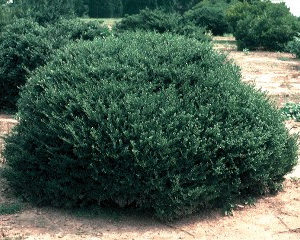
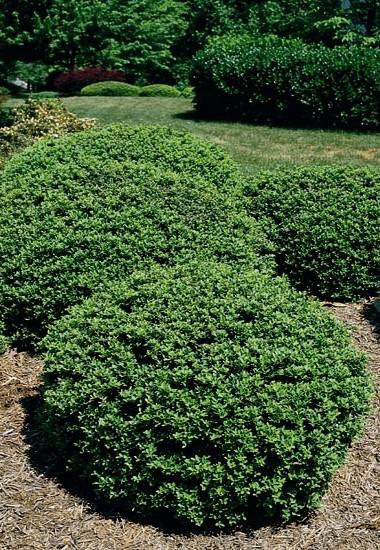
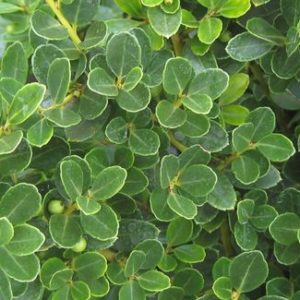
SOFT TOUCH is a compact, densely branched evergreen shrub that practically begs to be pruned into topiaries, hedges, or formal specimens. The leaves are incredibly fine and delicate—tiny ovals that measure less than half an inch long—creating a texture so refined it almost feels feathery when you run your hand across it. Unlike spiny hollies, these leaves have soft, rounded margins that won’t cut you, though they’re still that deep, glossy forest green that makes everyone think “holly” the moment they see it. The growth habit is naturally tidy and compact, so even unpruned specimens maintain an attractive, well-mannered shape. In spring, small white flowers appear, but they’re so inconspicuous you might miss them entirely. The real show comes from the abundant black berries that follow—though only on female plants, and only if you have a male pollinator nearby.

Growing it in your garden

SOFT TOUCH JAPANESE HOLLY is one of Connecticut’s most cooperative evergreens. It’s hardy throughout New England and actually prefers our cooler climate to the heat and humidity of southern gardens. Plant it in full sun to part shade—it’ll be denser and more robust in sunlight, but it handles partial shade beautifully, which makes it useful in those tricky spots where other plants sulk. Well-draining soil is important; these aren’t swamp plants, though they’re not drought-lovers either once established. They appreciate consistent moisture during their first year of establishment, after which they become fairly self-sufficient in normal New England rainfall. If you’re in a particularly dry spot or having a drought year, occasional deep watering keeps them looking their best.

Through the seasons

Spring brings fresh new growth in a slightly lighter shade of green, and those tiny, easy-to-miss white flowers. Summer is when SOFT TOUCH earns its keep—the glossy foliage stays vibrant green regardless of heat, and the texture draws your eye and your hand constantly. Fall? These plants don’t put on a autumn show, but their steadfast evergreen presence is exactly what the garden needs as everything else fades. Winter is their true superstar season. While deciduous trees stand bare and brown, SOFT TOUCH remains rich, dark, and architectural, providing structure and year-round color when Connecticut gardens desperately need it. The black berries that persist (on female plants) add a subtle but elegant note against the dark foliage. And here’s the best part: unlike spiny hollies, you can trim them up and bring branches inside for holiday arrangements without worrying about your hands.

Where it shines

These hollies are perfect for formal hedges and edging along garden borders—that soft foliage makes them feel less fortress-like than traditional spiny varieties. They’re wonderful in foundation plantings where you want evergreen substance without aggressive texture. Container gardening is another excellent application; they respond beautifully to shaping and stay compact enough for even modest spaces. Use them in Japanese-inspired gardens, contemporary landscapes, or anywhere you want an evergreen that feels refined rather than prickly. They work particularly well in gardens with young children or pets, where you want structure and winter interest without the sharp edges.

Perfect companions

SOFT TOUCH pairs beautifully with other shade-tolerant evergreens like JAPANESE PIERIS or dwarf cultivars of HINOKI FALSE CYPRESS. In sunnier spots, combine it with Japanese ACER varieties for delicate foliage contrast, or with STEEDS CREEPING COTONEASTER for groundcover interest at its base. Spring-flowering bulbs tucked around its base—think HELLEBORES or early ERYTHRONIUM—provide seasonal interest without competing with the holly’s refined structure. Ornamental grasses like HAKONE GRASS add movement and texture alongside its formality.

Care tips

Prune in late winter or early spring before new growth emerges. SOFT TOUCH responds enthusiastically to shaping, so don’t be shy about pruning it into the form you want. Hand-prune for a natural look or use hedge shears for geometric topiaries. Water newly planted specimens regularly through their first growing season. Fertilizing is rarely necessary in decent garden soil, though a light application of balanced fertilizer in early spring supports vigorous growth if you’re doing significant shaping. Watch for scale insects on rare occasion, though they’re not usually problematic. Spider mites might appear during very hot, dry summers, so adequate moisture helps prevent them.

Quick facts

  • Hardiness Zone: 5-7
  • Mature Height & Spread: 3-5 feet tall and wide (responds well to pruning, can be kept smaller)
  • Bloom Season: Spring (inconspicuous flowers)
  • Light Requirements: Full sun to part shade
  • Water Needs: Moderate; consistent moisture preferred, especially first year
  • Available at: Both our retail and wholesale locations.
Soft Touch Japanese Holly

Category:

A dense, mounded, evergreen shrub with soft-textured, glossy green leaves that have an interesting silver mid-vein.

Pot Size (gallons), Height: #3

Description

Soft Touch Japanese Holly

ILEX CRENATA ‘SOFT TOUCH’

If you’ve been searching for a holly that doesn’t poke, scratch, or draw blood every time you brush past it in the garden, your search is over. SOFT TOUCH JAPANESE HOLLY is the answer for gardeners who want the refined elegance of a traditional holly without the defensive weaponry. This cultivar keeps all the sophisticated charm of its species—the tiny, glossy leaves, the neat branching habit, the ability to be shaped into practically anything you can imagine—but trades in the sharp spines for something genuinely soft to the touch. It’s a game-changer if you have children, pets, or simply prefer your gardening experience without the occasional puncture wound.

What it looks like

SOFT TOUCH is a compact, densely branched evergreen shrub that practically begs to be pruned into topiaries, hedges, or formal specimens. The leaves are incredibly fine and delicate—tiny ovals that measure less than half an inch long—creating a texture so refined it almost feels feathery when you run your hand across it. Unlike spiny hollies, these leaves have soft, rounded margins that won’t cut you, though they’re still that deep, glossy forest green that makes everyone think “holly” the moment they see it. The growth habit is naturally tidy and compact, so even unpruned specimens maintain an attractive, well-mannered shape. In spring, small white flowers appear, but they’re so inconspicuous you might miss them entirely. The real show comes from the abundant black berries that follow—though only on female plants, and only if you have a male pollinator nearby.

Growing it in your garden

SOFT TOUCH JAPANESE HOLLY is one of Connecticut’s most cooperative evergreens. It’s hardy throughout New England and actually prefers our cooler climate to the heat and humidity of southern gardens. Plant it in full sun to part shade—it’ll be denser and more robust in sunlight, but it handles partial shade beautifully, which makes it useful in those tricky spots where other plants sulk. Well-draining soil is important; these aren’t swamp plants, though they’re not drought-lovers either once established. They appreciate consistent moisture during their first year of establishment, after which they become fairly self-sufficient in normal New England rainfall. If you’re in a particularly dry spot or having a drought year, occasional deep watering keeps them looking their best.

Through the seasons

Spring brings fresh new growth in a slightly lighter shade of green, and those tiny, easy-to-miss white flowers. Summer is when SOFT TOUCH earns its keep—the glossy foliage stays vibrant green regardless of heat, and the texture draws your eye and your hand constantly. Fall? These plants don’t put on a autumn show, but their steadfast evergreen presence is exactly what the garden needs as everything else fades. Winter is their true superstar season. While deciduous trees stand bare and brown, SOFT TOUCH remains rich, dark, and architectural, providing structure and year-round color when Connecticut gardens desperately need it. The black berries that persist (on female plants) add a subtle but elegant note against the dark foliage. And here’s the best part: unlike spiny hollies, you can trim them up and bring branches inside for holiday arrangements without worrying about your hands.

Where it shines

These hollies are perfect for formal hedges and edging along garden borders—that soft foliage makes them feel less fortress-like than traditional spiny varieties. They’re wonderful in foundation plantings where you want evergreen substance without aggressive texture. Container gardening is another excellent application; they respond beautifully to shaping and stay compact enough for even modest spaces. Use them in Japanese-inspired gardens, contemporary landscapes, or anywhere you want an evergreen that feels refined rather than prickly. They work particularly well in gardens with young children or pets, where you want structure and winter interest without the sharp edges.

Perfect companions

SOFT TOUCH pairs beautifully with other shade-tolerant evergreens like JAPANESE PIERIS or dwarf cultivars of HINOKI FALSE CYPRESS. In sunnier spots, combine it with Japanese ACER varieties for delicate foliage contrast, or with STEEDS CREEPING COTONEASTER for groundcover interest at its base. Spring-flowering bulbs tucked around its base—think HELLEBORES or early ERYTHRONIUM—provide seasonal interest without competing with the holly’s refined structure. Ornamental grasses like HAKONE GRASS add movement and texture alongside its formality.

Care tips

Prune in late winter or early spring before new growth emerges. SOFT TOUCH responds enthusiastically to shaping, so don’t be shy about pruning it into the form you want. Hand-prune for a natural look or use hedge shears for geometric topiaries. Water newly planted specimens regularly through their first growing season. Fertilizing is rarely necessary in decent garden soil, though a light application of balanced fertilizer in early spring supports vigorous growth if you’re doing significant shaping. Watch for scale insects on rare occasion, though they’re not usually problematic. Spider mites might appear during very hot, dry summers, so adequate moisture helps prevent them.

Quick facts

  • Hardiness Zone: 5-7
  • Mature Height & Spread: 3-5 feet tall and wide (responds well to pruning, can be kept smaller)
  • Bloom Season: Spring (inconspicuous flowers)
  • Light Requirements: Full sun to part shade
  • Water Needs: Moderate; consistent moisture preferred, especially first year
  • Available at: Both our retail and wholesale locations.