If you’re looking for a hydrangea that truly steals the show in a New England garden, let me introduce you to PeeGee—one of my absolute favorite picks for Connecticut landscapes. This panicle hydrangea is a showstopper that transforms from summer through fall, offering months of stunning blooms when many other plants are winding down. I absolutely love recommending this one to gardeners who want big impact without fussiness, and honestly, it performs beautifully in our Connecticut climate.

What it looks like

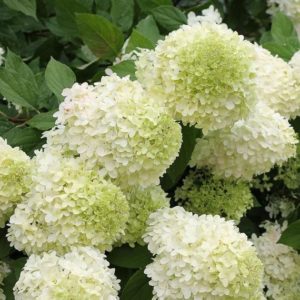
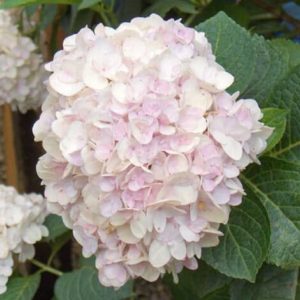
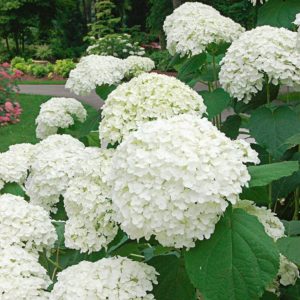
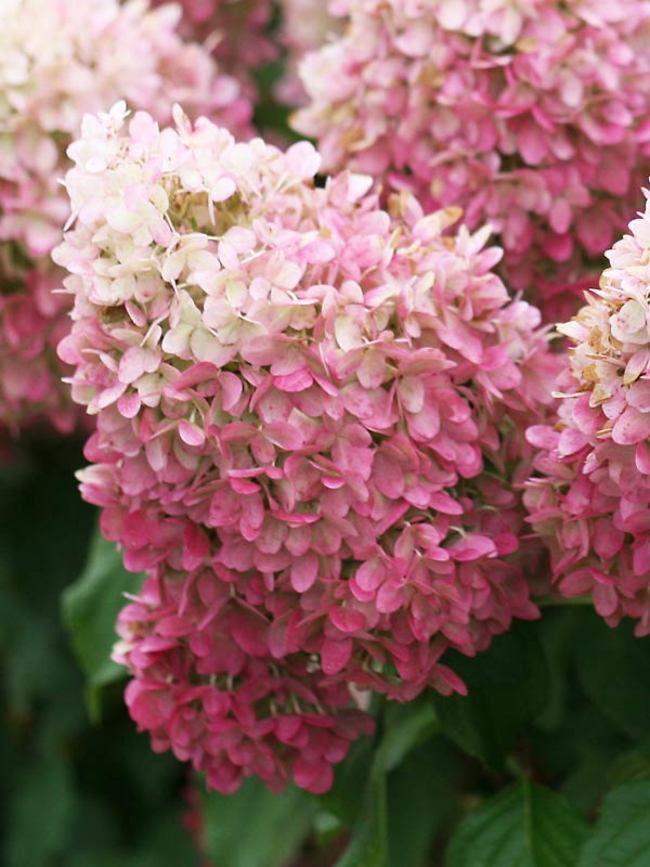
PeeGee (HYDRANGEA PANICULATA ‘Grandiflora’) is a magnificent deciduous shrub that grows into a graceful, vase-shaped plant with character and presence. What really gets people excited is those gorgeous cone-shaped flower clusters—we’re talking flowers that can reach up to 12 inches long! The blooms start out creamy white in mid-summer and then gradually shift to soft pink as the season progresses. By fall, they deepen into a beautiful rosy-red or burgundy tone, creating this wonderful progression of colors right there in your garden. The foliage is handsome too—medium green, slightly textured leaves that turn a lovely bronze-red in autumn before dropping. It’s one of those plants that looks good even when it’s not in bloom, which I really appreciate.

Growing it in your garden

Here’s what I love about PeeGee for Connecticut gardens: it’s incredibly adaptable and forgiving. This hydrangea thrives in full sun (at least six hours daily) and actually performs best when it gets plenty of light—you’ll get the most abundant flowers and the most dramatic color changes in a sunny spot. It’s not fussy about soil either, which is wonderful if you have typical New England clay or rocky conditions. Whether your soil is acidic or neutral, this plant handles it beautifully. Good drainage is important though, so if you’re in a low-lying area that tends to stay soggy, you might want to amend with some compost or plant it in a slightly raised bed. Once established, PeeGee is quite hardy and reliable through our Connecticut winters. It tolerates wind pretty well, which is helpful in our exposure-prone gardens.

Through the seasons

Spring arrives and PeeGee emerges with fresh new growth—those stems are often tinged with an attractive burgundy color, which is just lovely. By early July, the flower buds begin to form, and by mid-summer, you’re rewarded with those incredible creamy-white panicles that are just stunning against the green foliage. Here’s a bonus: these flowers are fantastic for cutting if you want to bring some of that beauty inside. As we move into late summer and early fall, the color shift begins—this is when PeeGee really earns its place in your garden. The blooms gradually blush pink, then deepen into rosy-red or burgundy tones as temperatures cool. This creates such a dynamic, changing display that you’ll find yourself walking past it every day just to see what new color has developed. The flowers hold their appeal even into winter—they fade to a beautiful tan-brown, and many gardeners love leaving the dried flower heads on through winter for architectural interest and to provide structure in the garden.

Where it shines

PeeGee is wonderfully versatile in the landscape. It’s gorgeous as a specimen plant where you can really showcase those full panicles—maybe near an entryway or patio where you’ll enjoy it from multiple angles. It’s equally lovely in mixed shrub borders where it provides height and summer-through-fall interest. Some of my favorite uses are in foundation plantings (plant it far enough from the house so it has room to grow), as a screen or background plant, or even in a cottage garden setting where it fits perfectly among perennials. If you’re looking to attract pollinators and add life to your garden, PeeGee delivers—butterflies and bees absolutely love these flowers. It’s also magnificent near water features or where you want to create a focal point in late summer and fall when many other plants are fading.

Perfect companions

I love combining PeeGee with other late bloomers and plants that complement those changing flower colors. Ornamental grasses like PANICUM ‘Heavy Metal’ or MISCANTHUS create beautiful textural contrast and their fall colors echo PeeGee’s palette. Japanese anemones are perfect companions—they bloom at the same time and create a softer, airier feel next to those bold panicles. Consider adding some summer-blooming perennials like RUDBECKIA or ECHINACEA at its base for continuous color. Evergreen companions like BOXWOOD or dwarf CONIFERS provide year-round structure and really make PeeGee’s flowers pop. In fall, surrounding it with late-season bloomers like ASTERS or SEDUM extends the show even further.

Care tips

One of the reasons I recommend PeeGee so enthusiastically is that it’s genuinely low-maintenance once it’s established. Water regularly during the first growing season to help develop a strong root system, and then during our drier Connecticut summers, give it a good drink every week or so. Mulch around the base with a few inches of organic material—this helps retain moisture and keeps the roots cool. As for pruning, you can prune in early spring before growth begins if you want to shape it or manage its size, though it’s not necessary. If you want larger flowers, some gardeners thin out some of the stems in spring to direct energy to fewer, more impressive panicles—it’s optional, but it’s a nice trick if you’re after maximum drama. Avoid pruning after mid-August in Connecticut, as new growth might be damaged by winter cold.

Quick facts

  • Hardiness Zone: Zones 3-8 (perfect for Connecticut!)
  • Mature Height & Spread: 6-8 feet tall and wide
  • Bloom Season: Mid-July through November
  • Light Requirements: Full sun (6+ hours daily)
  • Water Needs: Moderate; regular water during establishment, then drought-tolerant once established
  • Available at: Both our retail and wholesale locations.
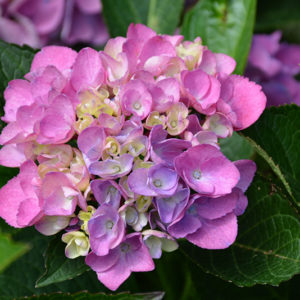
PeeGee

Category:

Dark green leaves with reddish brown bark. Flowers are white to purplish pink in late Summer.

Zoning: 3

Description

If you’re looking for a hydrangea that truly steals the show in a New England garden, let me introduce you to PeeGee—one of my absolute favorite picks for Connecticut landscapes. This panicle hydrangea is a showstopper that transforms from summer through fall, offering months of stunning blooms when many other plants are winding down. I absolutely love recommending this one to gardeners who want big impact without fussiness, and honestly, it performs beautifully in our Connecticut climate.

What it looks like

PeeGee (HYDRANGEA PANICULATA ‘Grandiflora’) is a magnificent deciduous shrub that grows into a graceful, vase-shaped plant with character and presence. What really gets people excited is those gorgeous cone-shaped flower clusters—we’re talking flowers that can reach up to 12 inches long! The blooms start out creamy white in mid-summer and then gradually shift to soft pink as the season progresses. By fall, they deepen into a beautiful rosy-red or burgundy tone, creating this wonderful progression of colors right there in your garden. The foliage is handsome too—medium green, slightly textured leaves that turn a lovely bronze-red in autumn before dropping. It’s one of those plants that looks good even when it’s not in bloom, which I really appreciate.

Growing it in your garden

Here’s what I love about PeeGee for Connecticut gardens: it’s incredibly adaptable and forgiving. This hydrangea thrives in full sun (at least six hours daily) and actually performs best when it gets plenty of light—you’ll get the most abundant flowers and the most dramatic color changes in a sunny spot. It’s not fussy about soil either, which is wonderful if you have typical New England clay or rocky conditions. Whether your soil is acidic or neutral, this plant handles it beautifully. Good drainage is important though, so if you’re in a low-lying area that tends to stay soggy, you might want to amend with some compost or plant it in a slightly raised bed. Once established, PeeGee is quite hardy and reliable through our Connecticut winters. It tolerates wind pretty well, which is helpful in our exposure-prone gardens.

Through the seasons

Spring arrives and PeeGee emerges with fresh new growth—those stems are often tinged with an attractive burgundy color, which is just lovely. By early July, the flower buds begin to form, and by mid-summer, you’re rewarded with those incredible creamy-white panicles that are just stunning against the green foliage. Here’s a bonus: these flowers are fantastic for cutting if you want to bring some of that beauty inside. As we move into late summer and early fall, the color shift begins—this is when PeeGee really earns its place in your garden. The blooms gradually blush pink, then deepen into rosy-red or burgundy tones as temperatures cool. This creates such a dynamic, changing display that you’ll find yourself walking past it every day just to see what new color has developed. The flowers hold their appeal even into winter—they fade to a beautiful tan-brown, and many gardeners love leaving the dried flower heads on through winter for architectural interest and to provide structure in the garden.

Where it shines

PeeGee is wonderfully versatile in the landscape. It’s gorgeous as a specimen plant where you can really showcase those full panicles—maybe near an entryway or patio where you’ll enjoy it from multiple angles. It’s equally lovely in mixed shrub borders where it provides height and summer-through-fall interest. Some of my favorite uses are in foundation plantings (plant it far enough from the house so it has room to grow), as a screen or background plant, or even in a cottage garden setting where it fits perfectly among perennials. If you’re looking to attract pollinators and add life to your garden, PeeGee delivers—butterflies and bees absolutely love these flowers. It’s also magnificent near water features or where you want to create a focal point in late summer and fall when many other plants are fading.

Perfect companions

I love combining PeeGee with other late bloomers and plants that complement those changing flower colors. Ornamental grasses like PANICUM ‘Heavy Metal’ or MISCANTHUS create beautiful textural contrast and their fall colors echo PeeGee’s palette. Japanese anemones are perfect companions—they bloom at the same time and create a softer, airier feel next to those bold panicles. Consider adding some summer-blooming perennials like RUDBECKIA or ECHINACEA at its base for continuous color. Evergreen companions like BOXWOOD or dwarf CONIFERS provide year-round structure and really make PeeGee’s flowers pop. In fall, surrounding it with late-season bloomers like ASTERS or SEDUM extends the show even further.

Care tips

One of the reasons I recommend PeeGee so enthusiastically is that it’s genuinely low-maintenance once it’s established. Water regularly during the first growing season to help develop a strong root system, and then during our drier Connecticut summers, give it a good drink every week or so. Mulch around the base with a few inches of organic material—this helps retain moisture and keeps the roots cool. As for pruning, you can prune in early spring before growth begins if you want to shape it or manage its size, though it’s not necessary. If you want larger flowers, some gardeners thin out some of the stems in spring to direct energy to fewer, more impressive panicles—it’s optional, but it’s a nice trick if you’re after maximum drama. Avoid pruning after mid-August in Connecticut, as new growth might be damaged by winter cold.

Quick facts

  • Hardiness Zone: Zones 3-8 (perfect for Connecticut!)
  • Mature Height & Spread: 6-8 feet tall and wide
  • Bloom Season: Mid-July through November
  • Light Requirements: Full sun (6+ hours daily)
  • Water Needs: Moderate; regular water during establishment, then drought-tolerant once established
  • Available at: Both our retail and wholesale locations.