Description

HYDRANGEA PANICULATA ‘LIMELIGHT’
Here’s the honest truth about Limelight Hydrangea: it’s the reliable friend who shows up when you need her, looks stunning, and never requires you to fuss over her too much. If you’ve been intimidated by hydrangeas before—if you’ve battled with blue versus pink confusion or watched plants mysteriously decline despite your best efforts—this panicle hydrangea is about to change your mind. Limelight doesn’t care about your soil chemistry. It blooms prolifically without the drama. And when that first flush of lime-green flower cones emerges in mid-summer, you’ll understand why Connecticut gardeners have made this their go-to choice for reliable, season-long color.
What it looks like
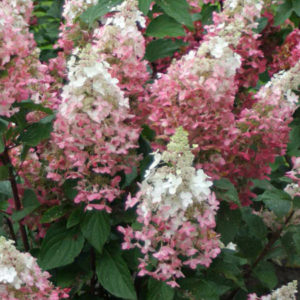
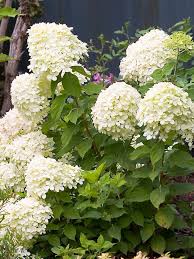
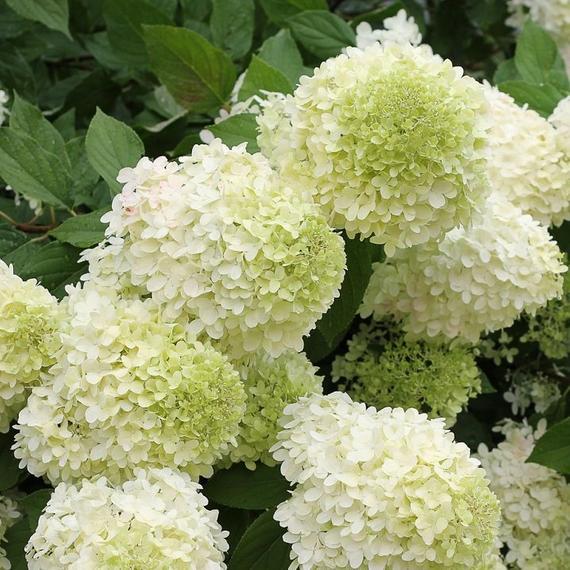
Limelight is all about transformation. The panicle hydrangea emerges in spring with elegant, elongated flower buds that develop into massive, cone-shaped flower clusters. Those flowers start in the most stunning chartreuse-green—that signature lime color that gives this cultivar its name. As summer progresses through August and September, those flowers gradually shift through soft pink, blushing deeper as the season cools. By fall, they’ve transformed into rusty rose tones that look phenomenal against golden autumn foliage. The flowers are substantial enough to make a real statement—we’re talking 8 to 10 inches long on a well-established plant—and they emerge in abundance along the branches. The foliage is deep green, fine-textured, and provides a clean backdrop that makes those flower colors absolutely pop.
Growing it in your garden
Limelight thrives in full sun to part shade, though you’ll get the most prolific blooming with at least 6 hours of direct sunshine. In Connecticut’s growing conditions, this panicle hydrangea is genuinely low-maintenance. It’s not fussy about soil pH like its mophead cousins—HYDRANGEA MACROPHYLLA can be temperamental about acidity, but HYDRANGEA PANICULATA ‘LIMELIGHT’ flowers reliably whether your soil is acidic or alkaline. It prefers consistent moisture during establishment but becomes more drought-tolerant once settled in. Unlike some hydrangeas that struggle with our humid Northeast summers, this variety handles Connecticut’s moisture and heat without developing powdery mildew or other fungal issues. Plant it in spring or fall, space plants 3 to 4 feet apart if you’re creating a screen or hedge, and watch it establish itself with confidence.
Through the seasons
Spring brings fresh green foliage as the plant breaks dormancy with vigor. By early June, you’ll notice the distinctive pyramidal flower buds forming at branch tips—these develop through mid-summer into those creamy green flowers by July. August is peak bloom time, when the plant is practically glowing with thousands of flowers. As September arrives and temperatures cool, the color show intensifies. That pink blush deepens, creating a gorgeous two-tone effect as lime-green flowers transition to rose, and the new flowers developing at branch tips bloom in the deeper pink tones. Well into October, these dried flowers remain ornamental, adding texture and structure to the late-season garden. Even after frost has taken the leaves, the dried flower panicles persist through winter, providing architectural interest and food for birds.
Where it shines
This is the hydrangea for specimen plantings where you want real impact. A single well-grown Limelight makes a stunning focal point at the end of a pathway or the corner of a perennial bed. In groups of three or five, it creates a magnificent flowering hedge that screens views while providing season-long color. It works beautifully in mixed shrub borders alongside viburnums and native plants. Limelight is also excellent in containers—something many Connecticut gardeners appreciate for flexibility in garden design. And here’s something gardeners don’t always realize: the dried flower panicles are wonderful for cutting and bringing indoors for late-summer arrangements or even dried winter bouquets. Many of our customers tell us their Limelight flowers are still beautiful in their homes in December.
Perfect companions
Limelight’s lime and pink flower tones play beautifully with burgundy foliage plants like ‘Black Lace’ elderberry or dark-leaved Japanese maples. Pair it with Russian sage (PEROVSKIA) for a contrast in flower form and texture. Blue-flowering plants like agapanthus create stunning color echoes when those pink tones develop in late summer. Native coneflowers and black-eyed Susans provide a cottage garden feel and support late-season pollinators. For year-round structure, surround it with evergreen companions like boxwoods or dwarf Alberta spruces.
Care tips
Pruning couldn’t be simpler: in late winter or early spring before new growth emerges, cut back the entire plant by about one-third to one-half its height. This encourages bushier growth and more flowering stems. Limelight flowers on new wood, so you can prune without sacrificing bloom. Fertilize lightly in spring with a balanced, slow-release fertilizer—this plant doesn’t need heavy feeding. Water consistently through the first growing season, then gradually reduce supplemental watering as the plant becomes established. Deadheading isn’t necessary, especially since you’ll want those flowers to develop their color transformation and persist into fall.
Quick facts
- Hardiness Zone: 3-8 (thrives throughout Connecticut)
- Mature Height & Spread: 6-8 feet tall and wide (can be pruned to manage size)
- Bloom Season: July through October
- Light Requirements: Full sun to part shade (6+ hours direct sun for best blooming)
- Water Needs: Consistent moisture during establishment, then moderate
- Available at: Both our retail and wholesale locations