European Beech

FAGUS SYLVATICA

The European Beech is Connecticut’s secret to creating living sculptures—trees that feel more like architectural statements than mere landscape plants. With its naturally elegant branching, luminous spring foliage, and remarkable four-season presence, this is the kind of tree that stops you mid-conversation when someone finally asks, “What is that tree?” It’s the kind of tree that makes you understand why European estates have been built around these specimens for centuries.

What it looks like

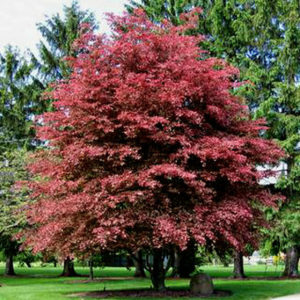
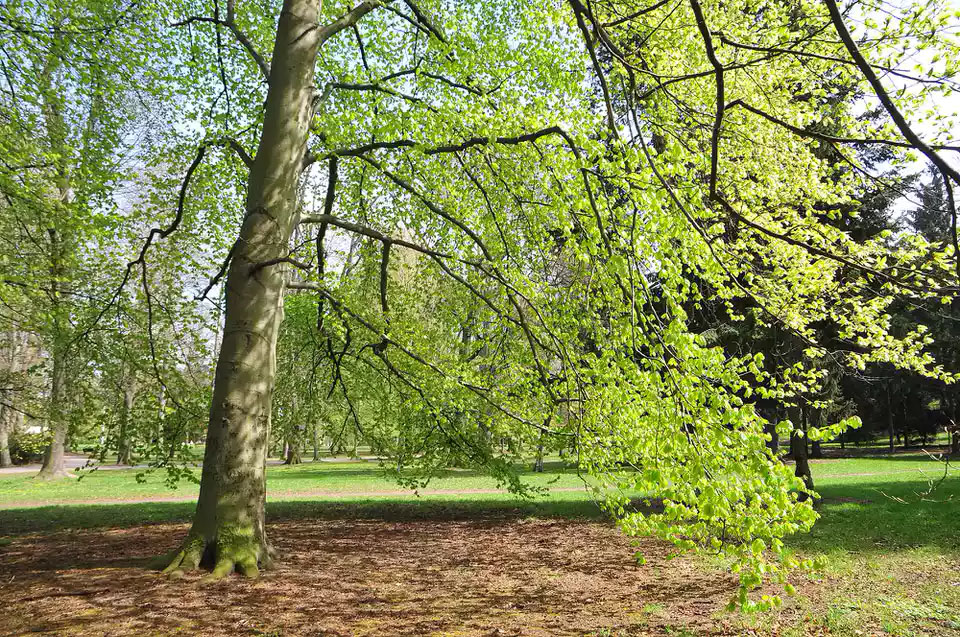
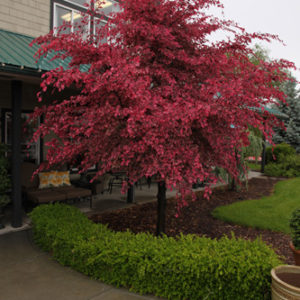
European Beech grows into a stately, pyramidal form when young, gradually broadening and becoming more rounded with age. The branching structure is distinctly architectural—dense, spreading limbs that create geometric patterns even in winter when the tree stands bare. The foliage is one of its greatest assets: silky, bright green leaves emerge in spring with an almost luminous quality, deepening to a darker forest green through summer, then transforming into a stunning range of copper, bronze, and burgundy tones come autumn. The smooth gray bark stays pristine throughout the tree’s life, creating a clean, almost silver-gray appearance that’s particularly striking in winter light.

Growing it in your garden

European Beech prefers well-draining soil and full sun to partial shade—a minimum of four hours of direct sunlight keeps it performing its best. It’s surprisingly adaptable to the varied soil conditions across Connecticut, though it does appreciate consistent moisture during establishment. Once settled in (which takes a season or two), mature trees are quite drought-tolerant and rarely need supplemental watering except during extended dry spells. This is a tree that rewards patience and proper planting: give it space to develop its naturally graceful form, and it will become increasingly beautiful over decades. Avoid overly wet, clay-heavy soils where possible, and plant in spring to give roots time to establish before winter.

Through the seasons

Spring is when European Beech truly announces its arrival—those glowing, almost chartreuse new leaves are one of New England’s finest garden moments. Summer brings a lush, full canopy that provides excellent shade while maintaining enough light underneath for shade-tolerant understory plantings. Fall is nothing short of spectacular, with foliage that shifts gradually from green to copper to deep burgundy over several weeks. Winter reveals the tree’s magnificent structure: bare branches create elegant patterns against the sky, and that smooth gray bark gleams in winter sunlight. This is when you’ll really appreciate the architectural bones of this tree.

Where it shines

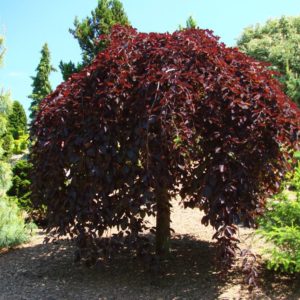
European Beech is at its finest as a specimen tree in a prominent location where its form can be fully appreciated—think a lawn where it becomes a focal point, or positioned where winter sunlight can highlight its bark. It works beautifully as a living screen or windbreak, though allow it enough space to develop its natural shape rather than shearing it into formal hedging. In smaller Connecticut gardens, the weeping cultivars like ‘Pendula’ offer similar beauty in a more space-conscious form. This is also an excellent choice for estates, larger residential properties, and public landscapes where its longevity and enduring beauty make it a worthwhile investment.

Perfect companions

Beneath a European Beech’s canopy, shade-loving perennials and shrubs thrive beautifully: try hellebores, coral bells, or astilbe for colorful foliage effects. Evergreen shrubs like boxwood or holly work wonderfully as companions, providing winter interest and structure. For seasonal color, bleeding heart and woodland phlox provide spring and early summer blooms. If you’re creating a specimen planting around your beech, consider low-growing groundcovers like creeping thyme or sedums that won’t compete with the tree’s shallow root system.

Care tips

European Beech is refreshingly low-maintenance once established. Pruning is rarely necessary if you plant with enough space for natural development—this tree knows how to grow into a beautiful form on its own. If you do prune, do it in late summer after the tree has finished its growth flush. Watch for beech bark disease in Connecticut’s humid climate; ensure good air circulation and avoid wounding the bark. Mulch young trees to conserve moisture and keep lawn equipment away from the trunk. No staking is needed except in extremely windy locations. This tree simply asks for patience and a permanent home where it can grow into the majestic specimen it’s meant to be.

Quick facts

  • Hardiness Zone: Zones 4-7
  • Mature Height & Spread: 50-60 feet tall and wide (often slightly smaller in Connecticut gardens)
  • Bloom Season: Ornamental value; inconspicuous spring flowers
  • Light Requirements: Full sun to partial shade (minimum 4 hours direct sun)
  • Water Needs: Moderate; regular moisture during establishment, drought-tolerant once mature
  • Available at: Both our retail and wholesale locations
European Beech

Category:

The European beech (Fagus sylvatica) is a popular deciduous shade tree (it loses its leaves in the fall) from Europe. It typically grows quite large with an upright oval to rounded shape.

Pot Size (gallons), Height: 8-10′

Description

European Beech

FAGUS SYLVATICA

The European Beech is Connecticut’s secret to creating living sculptures—trees that feel more like architectural statements than mere landscape plants. With its naturally elegant branching, luminous spring foliage, and remarkable four-season presence, this is the kind of tree that stops you mid-conversation when someone finally asks, “What is that tree?” It’s the kind of tree that makes you understand why European estates have been built around these specimens for centuries.

What it looks like

European Beech grows into a stately, pyramidal form when young, gradually broadening and becoming more rounded with age. The branching structure is distinctly architectural—dense, spreading limbs that create geometric patterns even in winter when the tree stands bare. The foliage is one of its greatest assets: silky, bright green leaves emerge in spring with an almost luminous quality, deepening to a darker forest green through summer, then transforming into a stunning range of copper, bronze, and burgundy tones come autumn. The smooth gray bark stays pristine throughout the tree’s life, creating a clean, almost silver-gray appearance that’s particularly striking in winter light.

Growing it in your garden

European Beech prefers well-draining soil and full sun to partial shade—a minimum of four hours of direct sunlight keeps it performing its best. It’s surprisingly adaptable to the varied soil conditions across Connecticut, though it does appreciate consistent moisture during establishment. Once settled in (which takes a season or two), mature trees are quite drought-tolerant and rarely need supplemental watering except during extended dry spells. This is a tree that rewards patience and proper planting: give it space to develop its naturally graceful form, and it will become increasingly beautiful over decades. Avoid overly wet, clay-heavy soils where possible, and plant in spring to give roots time to establish before winter.

Through the seasons

Spring is when European Beech truly announces its arrival—those glowing, almost chartreuse new leaves are one of New England’s finest garden moments. Summer brings a lush, full canopy that provides excellent shade while maintaining enough light underneath for shade-tolerant understory plantings. Fall is nothing short of spectacular, with foliage that shifts gradually from green to copper to deep burgundy over several weeks. Winter reveals the tree’s magnificent structure: bare branches create elegant patterns against the sky, and that smooth gray bark gleams in winter sunlight. This is when you’ll really appreciate the architectural bones of this tree.

Where it shines

European Beech is at its finest as a specimen tree in a prominent location where its form can be fully appreciated—think a lawn where it becomes a focal point, or positioned where winter sunlight can highlight its bark. It works beautifully as a living screen or windbreak, though allow it enough space to develop its natural shape rather than shearing it into formal hedging. In smaller Connecticut gardens, the weeping cultivars like ‘Pendula’ offer similar beauty in a more space-conscious form. This is also an excellent choice for estates, larger residential properties, and public landscapes where its longevity and enduring beauty make it a worthwhile investment.

Perfect companions

Beneath a European Beech’s canopy, shade-loving perennials and shrubs thrive beautifully: try hellebores, coral bells, or astilbe for colorful foliage effects. Evergreen shrubs like boxwood or holly work wonderfully as companions, providing winter interest and structure. For seasonal color, bleeding heart and woodland phlox provide spring and early summer blooms. If you’re creating a specimen planting around your beech, consider low-growing groundcovers like creeping thyme or sedums that won’t compete with the tree’s shallow root system.

Care tips

European Beech is refreshingly low-maintenance once established. Pruning is rarely necessary if you plant with enough space for natural development—this tree knows how to grow into a beautiful form on its own. If you do prune, do it in late summer after the tree has finished its growth flush. Watch for beech bark disease in Connecticut’s humid climate; ensure good air circulation and avoid wounding the bark. Mulch young trees to conserve moisture and keep lawn equipment away from the trunk. No staking is needed except in extremely windy locations. This tree simply asks for patience and a permanent home where it can grow into the majestic specimen it’s meant to be.

Quick facts

  • Hardiness Zone: Zones 4-7
  • Mature Height & Spread: 50-60 feet tall and wide (often slightly smaller in Connecticut gardens)
  • Bloom Season: Ornamental value; inconspicuous spring flowers
  • Light Requirements: Full sun to partial shade (minimum 4 hours direct sun)
  • Water Needs: Moderate; regular moisture during establishment, drought-tolerant once mature
  • Available at: Both our retail and wholesale locations