Hoogendorn

ILEX X MESERVEAE ‘HOOGENDORN’

What if one plant could deliver year-round structure, winter berries that persist through the coldest months, and glossy evergreen foliage that actually *improves* with cold temperatures? Hoogendorn Holly is that rare cultivar that seems almost too good to be true—yet it thrives reliably in Connecticut gardens, asking for nothing more than decent drainage and a bit of patience while it establishes itself. This is the holly that makes gardeners who plant it in fall wonder why they didn’t do it sooner.

What it looks like

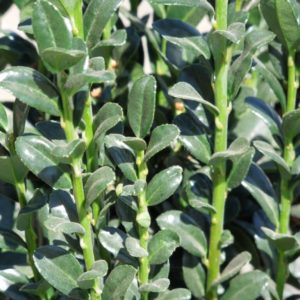
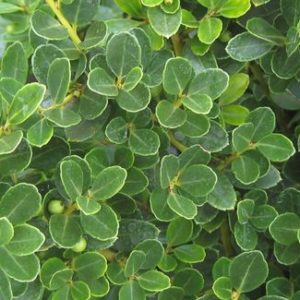
Hoogendorn is a blue holly hybrid with a naturally upright, columnar habit that feels architectural without being stiff or formal. The foliage is a deep, lustrous blue-green that catches light beautifully even on gray New England days. Unlike some hollies with softer leaves, Hoogendorn’s foliage is distinctly spiny—those sharp margins are practically built-in security for the plants around it. The real show-stopper arrives in fall: abundant bright red berries that cling to branches well into winter, often persisting through February and even March in Connecticut gardens. These berries aren’t just ornamental; they’re a lifeline for winter birds when other food sources are scarce.

Growing it in your garden

Here’s the honest truth: Hoogendorn is a female cultivar, so you’ll need a male pollinator nearby—typically another blue holly variety like ‘Blue Angel’ or ‘Blue Princess’—to get those stunning berries. The good news? One male can pollinate multiple females within a reasonable distance, so you don’t need to devote your entire garden to hollies. Plant Hoogendorn in a spot with full sun to part shade, though more sun generally means more robust berry production. Connecticut’s clay and loam soils work fine as long as you’ve amended for drainage; hollies sulk in waterlogged conditions. Space plants about 4 to 6 feet apart if you’re creating a screen or hedge. They’ll fill in gradually but steadily, rewarding patience with a polished, professional appearance.

Through the seasons

Spring brings delicate white flowers—small, clustered, and wonderfully fragrant if you get close enough. Summer is when Hoogendorn establishes itself, putting on steady growth with that beautiful blue-green foliage providing a cool, refined backdrop for warmer-colored plants. Fall is when this holly truly steps into the spotlight: berries emerge and deepen from orange-red to a brilliant crimson that photographs beautifully and adds serious visual punch to autumn gardens. Winter is where Hoogendorn earns its keep. Most deciduous plants have checked out; most evergreens are muted and subdued. But Hoogendorn’s foliage stays vibrant and the berries maintain their color and presence through the harshest Connecticut winters, providing essential winter interest and wildlife food when the garden needs it most.

Where it shines

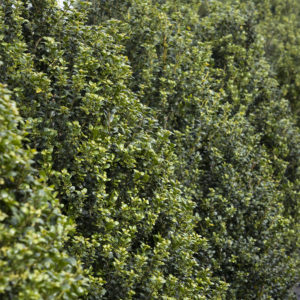
Use Hoogendorm as a specimen plant where its upright form and winter berries become focal points. It’s perfect for screening—plant in a double or triple row to create a living privacy fence that outperforms most fence materials and only gets more beautiful with age. Border it along driveways or property lines where its spiny foliage serves both aesthetic and practical purposes. In mixed borders, Hoogendorn anchors the structure when other plants fade back, and its narrow profile means it doesn’t shade out neighbors. Foundation plantings benefit from its upright habit; place it at corners or beside entryways where you want year-round presence without bulk.

Perfect companions

Pair Hoogendorn with broadleaf evergreens like ILEX CRENATA (Japanese Holly) for contrast in texture and leaf size. Underplant with shade-tolerant perennials like HELLEBORUS (Lenten Rose) or CAREX (sedges) to soften its base. Combine with deciduous shrubs like VIBURNUM or SERVICEBERRY to create layered seasonal interest. The dark foliage makes lighter-colored plants pop—try planting nearby ILEX VERTICILLATA (Winterberry) for a berry color echo, or pale-leafed CORNUS (Dogwoods) for foliage contrast.

Care tips

Water deeply and regularly the first year—Hoogendorn is establishing its root system and needs consistent moisture (though not soggy conditions). After establishment, it’s quite drought-tolerant, a major benefit during Connecticut’s increasingly unpredictable dry spells. Prune lightly in late winter if needed, always working with rather than against its natural upright form. Avoid heavy pruning; this holly develops best with minimal intervention. No serious pests or diseases trouble Hoogendorn in our region—it’s refreshingly low-maintenance. Feed in spring with a balanced, acid-forming fertilizer if desired, though established plants rarely need supplemental feeding. Mulch around young plants with 2 to 3 inches of wood chips to conserve moisture and regulate soil temperature.

Quick facts

  • Hardiness Zone: 5-9 (thrives throughout Connecticut)
  • Mature Height & Spread: 12-15 feet tall, 3-4 feet wide
  • Bloom Season: May (small white flowers); berries persist fall through winter
  • Light Requirements: Full sun to part shade (more sun for better berry production)
  • Water Needs: Regular moisture during establishment; drought-tolerant when established
  • Available at: Both our retail and wholesale locations.
Hoogendorn

Category:

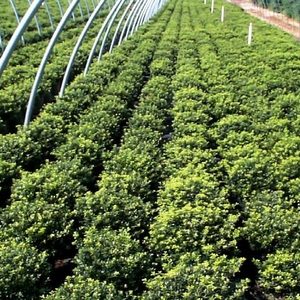
A low growing compact grower is ideal for hedging.

Zoning: 5-6
Mature Height and Spread: 2’
Pot Size (gallons), Height: #3 #7

Description

Hoogendorn

ILEX X MESERVEAE ‘HOOGENDORN’

What if one plant could deliver year-round structure, winter berries that persist through the coldest months, and glossy evergreen foliage that actually *improves* with cold temperatures? Hoogendorn Holly is that rare cultivar that seems almost too good to be true—yet it thrives reliably in Connecticut gardens, asking for nothing more than decent drainage and a bit of patience while it establishes itself. This is the holly that makes gardeners who plant it in fall wonder why they didn’t do it sooner.

What it looks like

Hoogendorn is a blue holly hybrid with a naturally upright, columnar habit that feels architectural without being stiff or formal. The foliage is a deep, lustrous blue-green that catches light beautifully even on gray New England days. Unlike some hollies with softer leaves, Hoogendorn’s foliage is distinctly spiny—those sharp margins are practically built-in security for the plants around it. The real show-stopper arrives in fall: abundant bright red berries that cling to branches well into winter, often persisting through February and even March in Connecticut gardens. These berries aren’t just ornamental; they’re a lifeline for winter birds when other food sources are scarce.

Growing it in your garden

Here’s the honest truth: Hoogendorn is a female cultivar, so you’ll need a male pollinator nearby—typically another blue holly variety like ‘Blue Angel’ or ‘Blue Princess’—to get those stunning berries. The good news? One male can pollinate multiple females within a reasonable distance, so you don’t need to devote your entire garden to hollies. Plant Hoogendorn in a spot with full sun to part shade, though more sun generally means more robust berry production. Connecticut’s clay and loam soils work fine as long as you’ve amended for drainage; hollies sulk in waterlogged conditions. Space plants about 4 to 6 feet apart if you’re creating a screen or hedge. They’ll fill in gradually but steadily, rewarding patience with a polished, professional appearance.

Through the seasons

Spring brings delicate white flowers—small, clustered, and wonderfully fragrant if you get close enough. Summer is when Hoogendorn establishes itself, putting on steady growth with that beautiful blue-green foliage providing a cool, refined backdrop for warmer-colored plants. Fall is when this holly truly steps into the spotlight: berries emerge and deepen from orange-red to a brilliant crimson that photographs beautifully and adds serious visual punch to autumn gardens. Winter is where Hoogendorn earns its keep. Most deciduous plants have checked out; most evergreens are muted and subdued. But Hoogendorn’s foliage stays vibrant and the berries maintain their color and presence through the harshest Connecticut winters, providing essential winter interest and wildlife food when the garden needs it most.

Where it shines

Use Hoogendorm as a specimen plant where its upright form and winter berries become focal points. It’s perfect for screening—plant in a double or triple row to create a living privacy fence that outperforms most fence materials and only gets more beautiful with age. Border it along driveways or property lines where its spiny foliage serves both aesthetic and practical purposes. In mixed borders, Hoogendorn anchors the structure when other plants fade back, and its narrow profile means it doesn’t shade out neighbors. Foundation plantings benefit from its upright habit; place it at corners or beside entryways where you want year-round presence without bulk.

Perfect companions

Pair Hoogendorn with broadleaf evergreens like ILEX CRENATA (Japanese Holly) for contrast in texture and leaf size. Underplant with shade-tolerant perennials like HELLEBORUS (Lenten Rose) or CAREX (sedges) to soften its base. Combine with deciduous shrubs like VIBURNUM or SERVICEBERRY to create layered seasonal interest. The dark foliage makes lighter-colored plants pop—try planting nearby ILEX VERTICILLATA (Winterberry) for a berry color echo, or pale-leafed CORNUS (Dogwoods) for foliage contrast.

Care tips

Water deeply and regularly the first year—Hoogendorn is establishing its root system and needs consistent moisture (though not soggy conditions). After establishment, it’s quite drought-tolerant, a major benefit during Connecticut’s increasingly unpredictable dry spells. Prune lightly in late winter if needed, always working with rather than against its natural upright form. Avoid heavy pruning; this holly develops best with minimal intervention. No serious pests or diseases trouble Hoogendorn in our region—it’s refreshingly low-maintenance. Feed in spring with a balanced, acid-forming fertilizer if desired, though established plants rarely need supplemental feeding. Mulch around young plants with 2 to 3 inches of wood chips to conserve moisture and regulate soil temperature.

Quick facts

  • Hardiness Zone: 5-9 (thrives throughout Connecticut)
  • Mature Height & Spread: 12-15 feet tall, 3-4 feet wide
  • Bloom Season: May (small white flowers); berries persist fall through winter
  • Light Requirements: Full sun to part shade (more sun for better berry production)
  • Water Needs: Regular moisture during establishment; drought-tolerant when established
  • Available at: Both our retail and wholesale locations.