Description
HYDRANGEA ARBORESCENS ‘INCREDIBALL’
Here’s the honest truth about Incrediball Hydrangea: it’s the plant you’ve been dreaming of without realizing it. If you’ve ever felt defeated by a hydrangea that refused to bloom, or one that collapsed under the weight of its own flowers after a summer rainstorm, Incrediball changes everything. This is the hydrangea that performs—reliably, spectacularly, and without drama—year after year in Connecticut gardens.
What it looks like
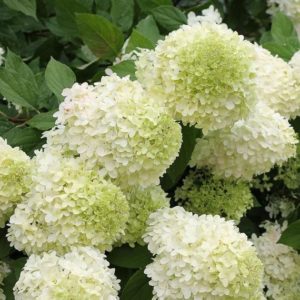
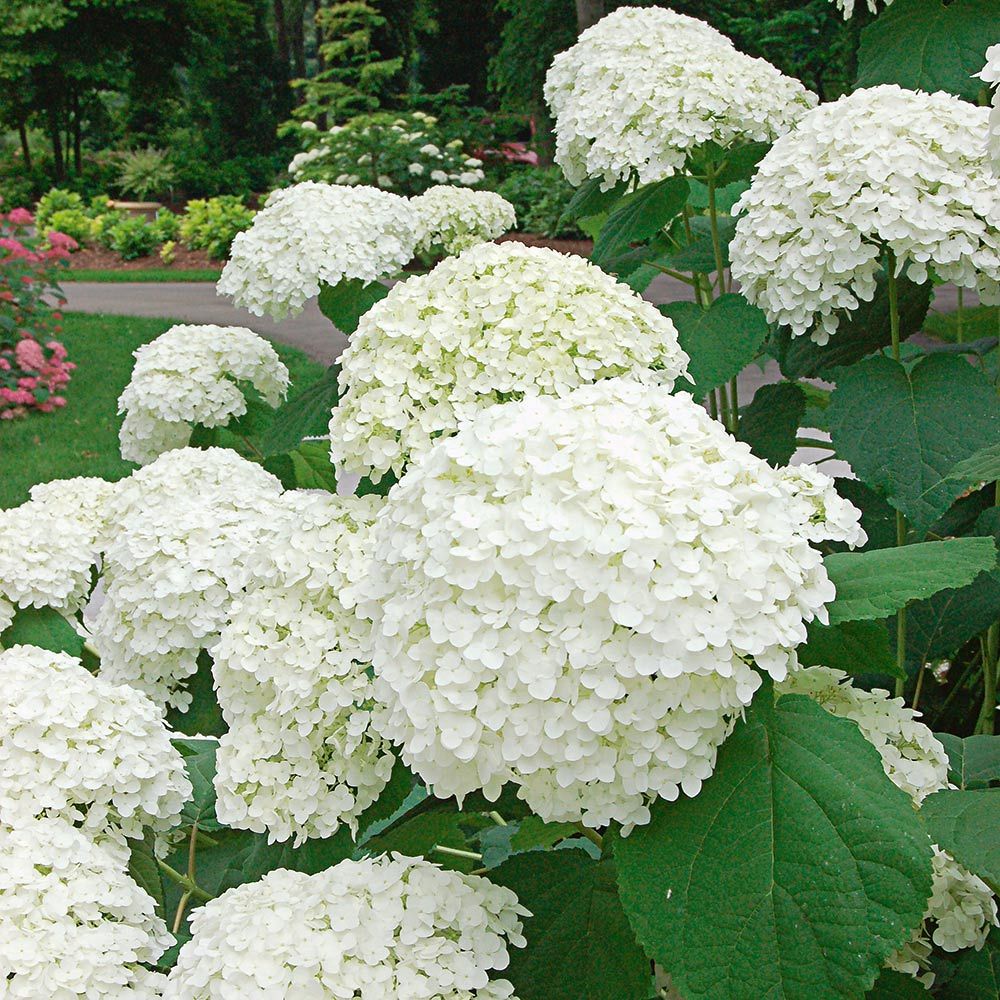
Imagine holding a perfectly formed sphere of flowers in your hand, then picture that sphere growing to the size of a dinner plate. That’s Incrediball. The blooms are massive—we’re talking 8 to 10 inches across—and they’re packed with double florets that create an almost impossibly full, rounded appearance. They emerge in mid-summer as fresh white flowers that gradually shift to soft pink and then deeper rose tones as the season progresses, giving you months of color transformation. The foliage is broad and lush green, creating a full, mounding shrub that looks intentional and well-kept even when you’re not fussing with it.
Growing it in your garden
What makes Incrediball special isn’t just how beautiful it is—it’s how easy it makes gardening. This is HYDRANGEA ARBORESCENS ‘INCREDIBALL’ at its finest: a plant that seems almost designed for Connecticut gardeners who want spectacular results without specialist knowledge. It thrives in full sun to partial shade, adapting gracefully to either condition. The soil requirements are refreshingly uncomplicated. Unlike some finicky hydrangeas that demand specific pH levels, Incrediball is forgiving and flexible. Give it moderately fertile, well-draining soil and it will reward you generously. It handles the wet springs and humid summers of New England without complaint, and it bounces back from our cold winters without injury.
Through the seasons
Spring arrives and Incrediball leafs out reliably, creating a full green mound by early summer. By mid-June, flower buds begin forming, and by July, you’re rewarded with those stunning blooms. Here’s something wonderful: these flowers are produced on new growth, which means even if winter damage occurs (rare in Connecticut), the plant will still flower beautifully. The white flowers persist through July, August, and September, gradually deepening in color. By fall, the dried flower heads are still attractive, adding architectural interest to the winter garden. Many gardeners leave them standing through the cold months for visual appeal and to protect the plant’s crown.
Where it shines
Incrediball is at home in foundation plantings, mixed borders, and as a specimen shrub where its full form can be appreciated. It’s perfect for that spot where you want reliable summer color without high maintenance. Plant it where you can see it from a window—those massive blooms are worth celebrating. It works beautifully in groupings of three, creating a flowing, cottage-garden feel that suits Connecticut’s aesthetic. The long blooming season makes it invaluable for keeping your garden looking full when many plants are fading in midsummer heat.
Perfect companions
Incrediball pairs beautifully with purple-leaved plants like Sambucus or Weigela, where the white blooms provide striking contrast. Pair it with ornamental grasses—Panicum or Miscanthus—for textural interest and movement. Coneflowers and Black-eyed Susans bloom at the same time and create a cheerful summer combination. In the background, a clump of Oakleaf Hydrangea (HYDRANGEA QUERCIFOLIA) extends your hydrangea season and adds architectural foliage.
Care tips
Prune Incrediball in early spring while still dormant, cutting back to a low framework or even to the ground—it doesn’t matter because flowers form on new wood. This forgiving pruning behavior means you can’t really get it wrong. Water deeply during dry spells, especially in the establishment year, but once settled in, it’s quite drought-tolerant. The robust stem structure means flowers stay upright even after heavy rain, unlike some hydrangea varieties that require staking. A light application of balanced fertilizer in spring supports vigorous growth and abundant blooms, though it’s not strictly necessary in reasonably fertile soil.
Quick facts
- Hardiness Zone: 3–9
- Mature Height & Spread: 4 to 5 feet tall and wide
- Bloom Season: July through September
- Light Requirements: Full sun to partial shade
- Water Needs: Moderate; water during dry spells
- Available at: Both our retail and wholesale locations