Description

HYDRANGEA ARBORESCENS ‘ANNABELLE’
What if one plant could give you massive, show-stopping blooms, handle our unpredictable New England weather, and actually get better with age? ANNABELLE hydrangea isn’t just a pretty face—it’s the reliable workhorse that makes gardeners actually look forward to summer pruning. This is the hydrangea that turns ordinary yards into destinations, the kind that stops your neighbors mid-jog to ask for the name of your florist.
What it looks like
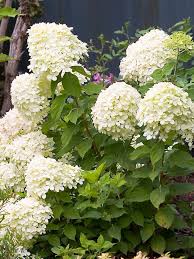
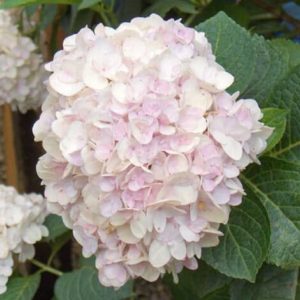
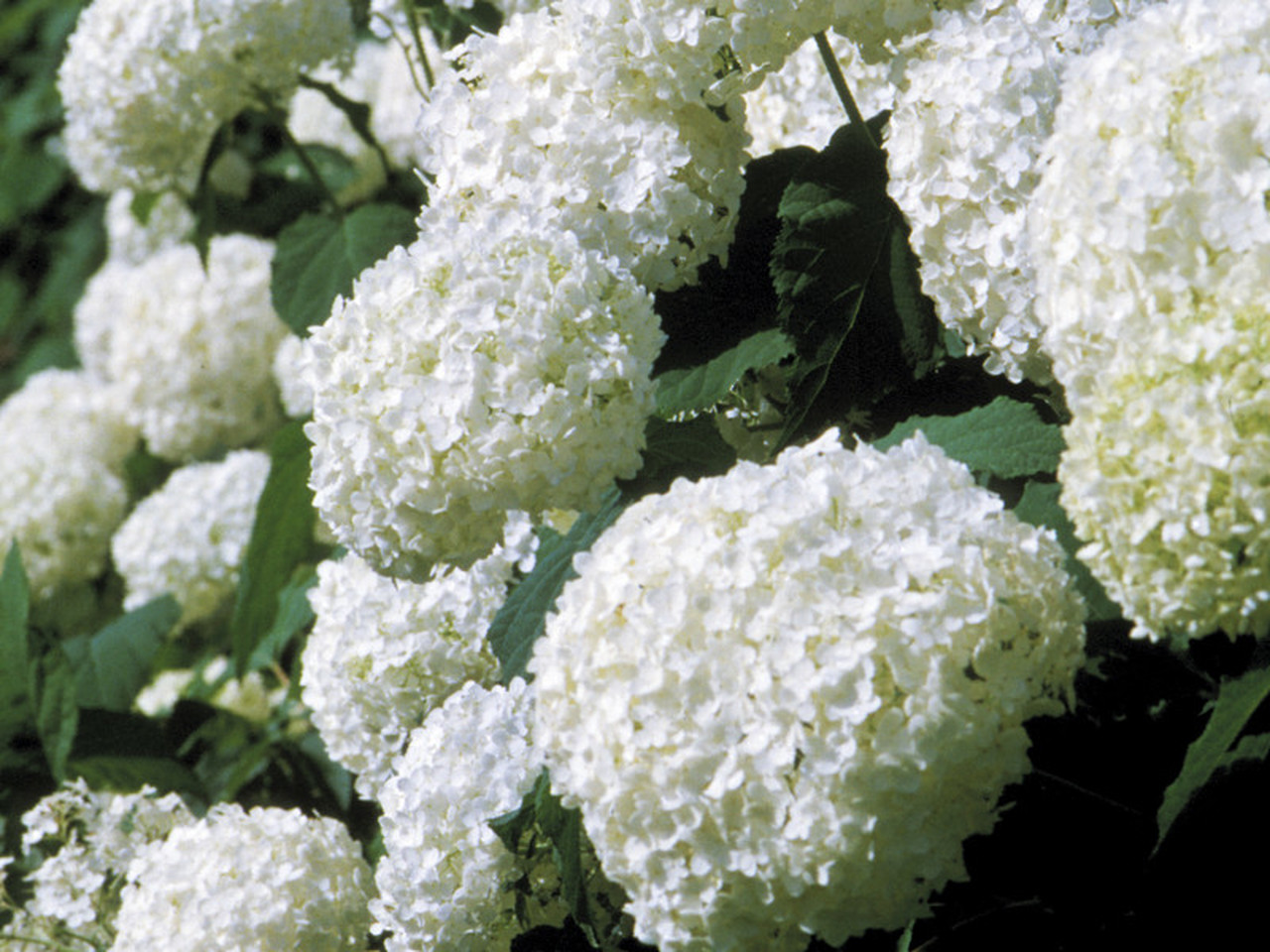
ANNABELLE is famous for one thing: enormous, pure white flower heads that seem almost too big to be real. We’re talking dinner-plate-sized panicles—sometimes 8 to 10 inches across—that absolutely blanket the plant from midsummer through early fall. The blooms start out pale lime-green, gradually shift to creamy white, then take on soft pink and bronze tones as they age, giving you months of color changes on a single stem. The foliage is bright green and fresh-looking, with a nice coarse texture that provides excellent structure even when flowers aren’t the main event. This is an upright, deciduous woody shrub that grows into a rounded form, naturally graceful without any awkward angles.
Growing it in your garden
Here’s what makes ANNABELLE such a Connecticut favorite: it’s genuinely tough. Unlike some of its fussier cousins, ANNABELLE reblooms on new wood, which means you don’t have to worry about an unexpected hard freeze knocking out next year’s flowers. Our late spring freezes? Not a problem. ANNABELLE laughs them off and still puts on a spectacular show. It handles our humid summers without getting tangled up in disease issues, and it actually seems to prefer our moisture-rich New England soil rather than being finicky about drainage. Plant it in spring or fall, give it a spot with at least four hours of direct sun (though it’ll tolerate afternoon shade, especially in hotter years), and you’re on your way. It will establish steadily through its first season and reward you with increasingly impressive blooms each year.
Through the seasons
Spring in your garden starts with ANNABELLE waking up later than many plants—which is actually perfect because it avoids frost damage. New leaves emerge in late April or early May, and the emerging stems are an attractive reddish-bronze. By early June, the flower buds begin forming, and you’ll see that characteristic lime-green color starting to develop. July and August are the real glory months, when those massive white blooms are at peak beauty. The flowers hold strong through September and into October, gradually developing peachy and brownish tones as the season progresses. In fall, the foliage fades to yellow before dropping, and you’re left with attractive tan stems that actually look quite nice in the winter landscape. The dried flower heads can be cut for indoor arrangements or left standing for winter interest.
Where it shines
ANNABELLE is your answer for a foundation planting that actually performs. It works beautifully as a solo specimen where you want a seasonal focal point, but it’s equally stunning massed in groups of three or more for serious impact. Use it to anchor a mixed border, edge a walkway, or create a flowering privacy screen along a property line. It’s particularly valuable in Connecticut gardens where you need something that won’t let you down—the kind of plant you can count on year after year. Because it blooms on new wood and tolerates our climate so well, it’s nearly impossible to fail with. It’s also wonderful for cutting gardens since those blooms dry beautifully for arrangements that last for months.
Perfect companions
ANNABELLE looks stunning paired with other mid-sized shrubs that have deeper foliage, like BURGUNDY chokeberry or dark purple-leaved smoke bush—the white flowers absolutely pop against dark backgrounds. Underplant it with white astilbe, hostas with blue or variegated foliage, and shade-loving perennials for a layered, sophisticated look. Ornamental grasses like ‘Karl Foerster’ feather reed grass provide wonderful contrast in texture and movement. For late-season color that complements the shifting tones of aging ANNABELLE blooms, pair it with Russian sage (PEROVSKIA) or native asters in purple shades.
Care tips
The beauty of ANNABELLE is how little it asks of you. Prune in early spring—late March or early April in Connecticut—cutting stems back to about 12 to 18 inches from the ground. Yes, really. This might feel aggressive, but it’s the secret to those enormous blooms and sturdy stems. Water deeply once a week for the first season, then it becomes quite drought-tolerant as it matures. A 2 to 3-inch layer of mulch keeps the roots happy and regulates moisture, especially important during our dry summers. No deadheading necessary—just let those blooms age into their beautiful bronze tones, then cut them for arrangements or leave them standing for winter interest. Fertilizer isn’t necessary if your soil is reasonably decent, though a balanced fertilizer in spring won’t hurt. Watch for spider mites in very hot, dry years, and ensure good air circulation to minimize any fungal issues in our humid summers.
Quick facts
- Hardiness Zone: Zones 3-9 (thrives in Connecticut)
- Mature Height & Spread: 4 to 8 feet tall and wide (size varies based on pruning)
- Bloom Season: July through October
- Light Requirements: Full sun to part shade (at least 4 hours direct sun preferred)
- Water Needs: Moderate; water deeply once weekly until established, then drought-tolerant
- Available at: Both our retail and wholesale locations