Description
HYDRANGEA PANICULATA ‘LETS DANCE’
What if you could have a hydrangea that actually dances to the rhythm of your garden instead of fighting it? LET’S DANCE panicle hydrangea is the performer that Connecticut gardeners have been waiting for—a plant that embraces our unpredictable springs, handles our humid summers with grace, and puts on a show that just keeps getting better with age. This isn’t a finicky show-off; it’s a reliable friend who happens to be absolutely stunning.
What it looks like
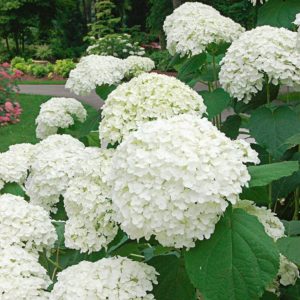
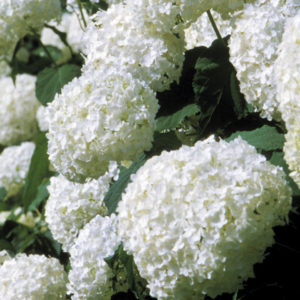
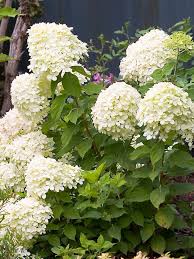
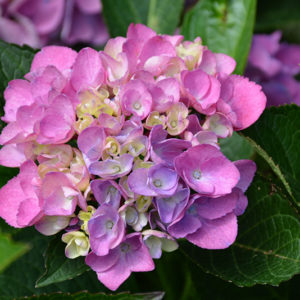
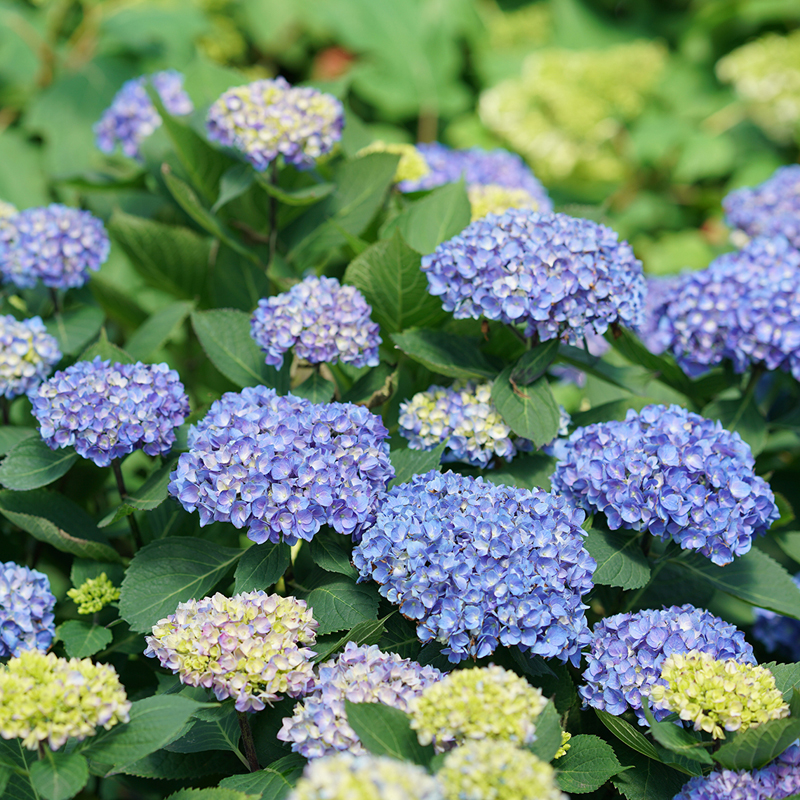
LET’S DANCE opens its season with tight, creamy-white flower panicles that emerge in mid-summer and gradually shift to pink, then deeper rose as the weeks progress. By autumn, those same blooms settle into burgundy tones that practically glow in September light. The flowers are held on graceful, arching branches clothed in deep green foliage that provides a perfect backdrop—the flowers literally dance above the leaves rather than disappearing into them.
This is a notably compact panicle hydrangea, making it perfect for gardens where you want impact without taking over the entire bed. The habit is naturally full and rounded, with a gentle fountain-like structure that looks good from every angle. Even in winter, the dried flower heads persist in shades of copper and tan, extending the visual interest well into the cold months.
Growing it in your garden
LET’S DANCE is refreshingly straightforward to grow. Plant it in a location with at least six hours of direct sun—the more sun it receives, the more intensely the flowers will blush pink and red. In Connecticut’s sometimes-scorching summers, afternoon shade in the hottest areas is fine; the plant will still flower prolifically. It’s not fussy about soil type, though it prefers something with decent drainage. If you’re working with heavy Connecticut clay, amending with compost before planting will make you both happier in the long run.
This variety has excellent winter hardiness throughout New England and is refreshingly resistant to the deer and rabbit browsing that plagues so many ornamental shrubs. Pests rarely bother it, and disease pressure is minimal—another reason it’s become a favorite among regional gardeners who are tired of babying temperamental plants.
Through the seasons
Spring arrives with fresh, vibrant green foliage and no fussing required. Unlike some hydrangeas, LET’S DANCE doesn’t need obsessive pruning or complicated cutting-back schedules—the plant flowers on new wood, so even if you’re aggressive with your pruning in late winter or early spring (which many Connecticut gardeners are, given our variable winters), you’ll get abundant blooms.
By early to mid-July, the flower show begins. The white panicles are fresh and elegant, providing brightness that works beautifully in mixed borders. As July turns to August, the color shift intensifies. By September, when many gardens are looking tired, LET’S DANCE reaches its peak—those deep rose and burgundy tones are absolutely magnetic. Fall brings cooler nights that deepen the color even further, and the dried flowers provide interest through winter until you’re ready to cut them back in early spring.
Where it shines
LET’S DANCE is a garden workhorse that earns its place in foundation plantings, mixed borders, and cottage gardens alike. Its compact size makes it ideal for foundation beds where you need something that won’t engulf your windows. It’s equally at home in a cutting garden—those flower panicles are long-lasting and absolutely beautiful in arrangements, fresh or dried. Group three together for a screen, or use single specimens as focal points in beds.
This hydrangea also performs beautifully in containers, making it wonderful for patios and entryways where you want seasonal color with a tidy appearance. The arching growth habit works well around walkways and garden edges where taller, spreading plants would create congestion.
Perfect companions
Pair LET’S DANCE with ornamental grasses like PANICUM or MISCANTHUS for vertical contrast and movement. The pink-to-red color story works beautifully with purple-leaved shrubs like PHYSOCARPUS or WEIGELA. Shade-loving perennials planted at its base—think HOSTA, HELLEBORE, or BRUNNERA—will appreciate the dappled afternoon shade the hydrangea provides while staying out of the flower display’s spotlight. White-blooming companions like OAKLEAF HYDRANGEA extend the creamy-white phase, while burgundy-foliaged ornamentals deepen the fall color story.
Care tips
Water regularly during the first season to establish a deep root system, then cut back to supplemental watering during dry spells. Once established, LET’S DANCE is quite drought-tolerant. Prune in late February or early March, removing any dead wood and cutting back the previous year’s stems to shape the plant. You can be bold with pruning—this plant responds with vigor. Deadhead spent flower heads if you want to maintain a tidy appearance during summer, though many gardeners (and pollinators) appreciate leaving the faded flowers for late-season interest. In Connecticut’s heavy clay soils, a two-inch mulch layer will improve moisture consistency without promoting stem rot.
Quick facts
- Hardiness Zone: 3–8
- Mature Height & Spread: 3–4 feet tall and wide
- Bloom Season: July through October
- Light Requirements: Full sun to part shade (6+ hours direct sun preferred)
- Water Needs: Moderate; drought-tolerant once established
- Available at: Both our retail and wholesale locations