Description
THUJA OCCIDENTALIS ‘DARK AMERICAN’
If you’re after a narrow, elegant evergreen that maintains a deep forest-green color even when Connecticut’s winter winds are at their worst, Dark American Arborvitae is exactly what you’ve been looking for. This cultivar combines the sturdy, columnar form that arborvitaes are known for with a richness of color that doesn’t fade or bronze out like some of its cousins. It’s the kind of tree that looks sophisticated in a formal setting yet tough enough to handle whatever our New England climate throws at it.
What it looks like
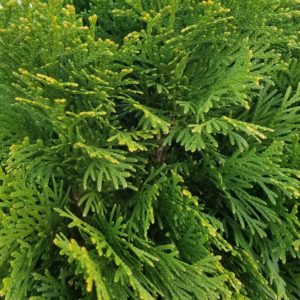
Dark American Arborvitae grows as a narrow, upright column with dense, feathery foliage that feels almost soft to the touch. The scale-like leaves are arranged in flattened sprays, creating that distinctive flat-fan texture arborvitaes are famous for. What sets this variety apart is its consistently dark green color—a deep, forest tone that persists year-round without the bronzing that can plague other selections in winter. The overall silhouette is naturally refined without needing much shaping, typically growing 30 to 40 feet tall but only 6 to 8 feet wide, making it perfect for tight spaces where you need vertical impact without horizontal sprawl.
Growing it in your garden
Dark American Arborvitae is remarkably adaptable and forgiving, which is partly why it’s such a reliable choice for Connecticut gardeners. It prefers full sun to part shade and handles the acidic soils that are common throughout New England beautifully. While it appreciates consistently moist soil during its establishment period—typically the first couple of years—it’s more drought-tolerant than you might expect once settled in. The real magic is how well it handles both wet and dry conditions compared to many evergreens, though it will thank you with better growth and color if you don’t let it completely dry out during hot summers.
This is a plant that doesn’t demand much fussing. It grows steadily and predictably, which means your landscape design stays on track. Plant it where you want a strong vertical accent—along a property line, flanking an entrance, or creating a windbreak—and it will deliver exactly what you envisioned without surprising you with sprawling growth or unexpected color changes.
Through the seasons
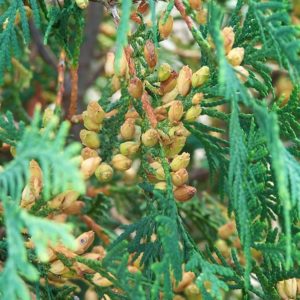
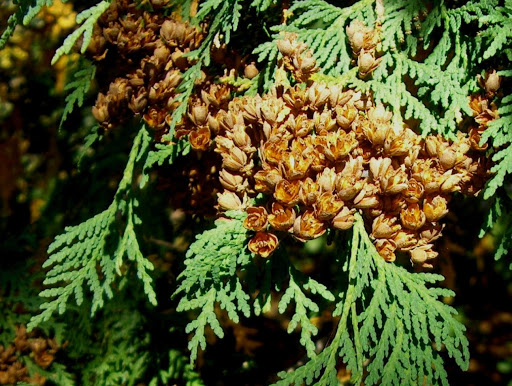
Spring brings fresh, bright new growth that catches the light beautifully, though the overall form stays dark and grounded. Summer is when Dark American Arborvitae really shines—the dense foliage provides excellent screening and privacy, and the deep green color looks lush and cool in the garden. Fall brings no dramatic change; instead, you get the satisfaction of watching this tree remain steadfastly green while everything around it is turning color. Winter is where this cultivar truly distinguishes itself. While some arborvitaes take on bronze or reddish tones in cold weather, Dark American holds its rich green coloring, creating a striking contrast against snow and dormant landscapes. In late winter and early spring, small, upright cones develop—they’re not showy, but they add subtle texture and prove the tree is thriving.
Where it shines
This is your workhorse screening plant. Use it to line a property border, create a windbreak on the western or northern side of your home, or establish privacy between your garden and your neighbors. The narrow form makes it perfect for confined spaces—plant three or five in a staggered line and you’ve got a sophisticated living wall without taking up excessive width. It also looks wonderful as a specimen tree in a foundation planting or flanking a gate or doorway. In urban and suburban gardens, it handles reflected heat and light remarkably well.
Perfect companions
Dark American Arborvitae pairs beautifully with other Connecticut natives and well-adapted shrubs. Underplant it with shade-tolerant groundcovers like PACHYSANDRA or VINCA, or combine it with lower-growing evergreens like boxwood for a layered, textured effect. Deciduous companions like VIBURNUM or SERVICEBERRY work wonderfully alongside it—when they’re bare in winter, the arborvitae’s persistent green color becomes a focal point. For contrast, plant it near ornamental grasses that move in the wind, or pair it with hydrangeas that bloom in front of its steady green backdrop.
Care tips
Water regularly during the first two years, especially during Connecticut’s occasional dry spells. Once established, this tree is fairly low-maintenance. Prune only if you want to maintain a specific width or remove any damaged branches—and honestly, most gardeners never need to prune at all since the form is naturally columnar. In late winter, you can do a light shaping if desired, though it’s rarely necessary. Watch for spider mites in hot, dry years, especially on the sunny side of established trees, but in most New England gardens, pests and diseases are not a significant concern.
Quick facts
- Hardiness Zone: 2–8
- Mature Height & Spread: 30–40 feet tall, 6–8 feet wide
- Bloom Season: Inconspicuous flowers in spring; small upright cones develop in late winter
- Light Requirements: Full sun to part shade
- Water Needs: Moderate; prefers consistently moist soil but tolerates some dryness once established
- Available at: Both our retail and wholesale locations