THUJA OCCIDENTALIS ‘TECHNY’

If you’ve been searching for a tough-as-nails evergreen that actually stays narrow, looks refined, and laughs in the face of Connecticut’s harsh winters, Techny Arborvitae might just be your answer. This cultivar has earned its reputation as one of the hardiest, most reliable narrow evergreens you can plant in New England—a plant that doesn’t just survive our climate, it seems to thrive in it. Unlike so many columnar varieties that get leggy and stressed, Techny maintains dense, vibrant foliage from top to bottom, year after year, without demanding much from you in return.

What it looks like

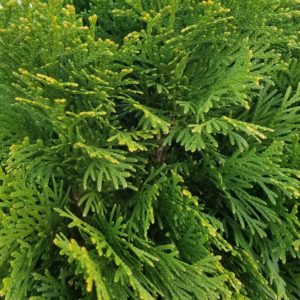
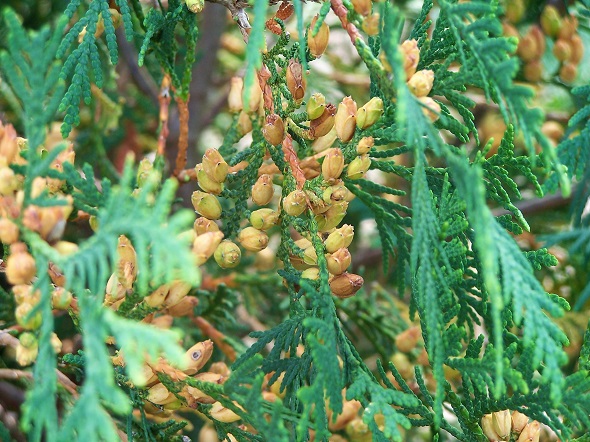
Techny is a narrow, columnar evergreen with a naturally tidy, formal appearance that never feels stuffy. Its fine-textured foliage is that classic soft, feathery green that deepens into bronze-tinged tones as temperatures drop in fall and winter—a subtle seasonal shift that adds interest without drama. The foliage has an almost delicate quality, like scales arranged in flat sprays, but don’t let that fool you into thinking this plant is delicate. The growth habit is remarkably uniform and compact, rarely exceeding 15 feet tall but staying just 3 to 4 feet wide, making it perfect for tight spaces where you need vertical interest without width. The overall silhouette is columnar without being rigid-looking, managing to feel both architectural and natural.

Growing it in your garden

Techny Arborvitae is refreshingly unfussy about where it grows, which is part of its charm. It tolerates a range of soil conditions from slightly acidic to neutral, and handles both clay and sandy soils reasonably well, though it prefers soil that drains reasonably during our wet New England springs. It’s one of those plants that doesn’t demand perfectly amended soil to perform—established specimens often do better if you leave them alone rather than fussing with amendments. Plant it in full sun to part shade; while it performs best with at least six hours of direct sunlight, it’s more forgiving of partial shade than many narrow evergreens, which makes it incredibly versatile for challenging spots in Connecticut gardens. Once established, it has strong disease and pest resistance, rarely falling victim to the spider mites and bagworms that plague some of its cousins.

Through the seasons

Spring arrives with new growth that’s brighter and more luminous than the winter foliage, gradually deepening as the season progresses. By summer, Techny settles into a rich, consistent green that provides reliable structure and background. Fall brings that bronze undertone we mentioned—not a dramatic color change, but a warming of the palette that’s sophisticated and subtle. Winter is where Techny really shines; while some evergreens look tired and faded in the cold months, this cultivar maintains its color and form with remarkable composure, often taking on deep mahogany tones that look stunning against snow.

Where it shines

This is your go-to evergreen for screening and privacy in narrow spaces. Plant a row along a property line, and you’ll create a refined living fence that actually improves with age. It’s excellent for foundation plantings where you need height without sprawl, and it works beautifully in formal gardens where its columnar form echoes architectural lines. Techny also excels in containers on patios or entryways—yes, you can grow it in a larger container for years with minimal maintenance. It’s perfect for creating vertical accents in mixed borders, and its narrow profile makes it ideal for urban gardens where every inch counts.

Perfect companions

Pair Techny with evergreen shrubs that have a different texture, like the softer needles of dwarf conifers, or contrast it with the broad leaves of hollies and boxwoods. It looks stunning underplanted with shade-tolerant perennials like hellebores or hostas, and works beautifully with ornamental grasses that soften its formality. In containers, combine it with trailing ivy and seasonal flowers for a polished, year-round display.

Care tips

Water regularly during the first year to establish a strong root system, especially during Connecticut’s dry summers. Once established, Techny is quite drought-tolerant and rarely needs supplemental watering. Minimal pruning is needed—this plant naturally stays tidy. If you want to maintain its shape or remove any winter-damaged branches, do light pruning in early spring. Avoid heavy shearing, which disrupts its natural form and can create dense outer growth that hides the interior. In particularly harsh winter locations, a loose wrap of burlap protects young plants from heavy snow or ice damage, though once established, this is rarely necessary in Connecticut.

Quick facts

  • Hardiness Zone: 2-8
  • Mature Height & Spread: 15-20 feet tall, 3-4 feet wide
  • Bloom Season: Non-flowering; evergreen foliage year-round
  • Light Requirements: Full sun to part shade
  • Water Needs: Moderate; drought-tolerant once established
  • Available at: Both our retail and wholesale locations
Techny Arborvitae

Category:

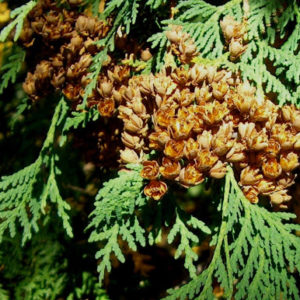
Broadly based pyramidal form having dense foliage that maintains its handsome dark green coloring all year. Excellent for medium to tall hedges or screens

Pot Size (gallons), Height: 4-5’ ,5-6’ ,6-7’ ,7-8’

Description

THUJA OCCIDENTALIS ‘TECHNY’

If you’ve been searching for a tough-as-nails evergreen that actually stays narrow, looks refined, and laughs in the face of Connecticut’s harsh winters, Techny Arborvitae might just be your answer. This cultivar has earned its reputation as one of the hardiest, most reliable narrow evergreens you can plant in New England—a plant that doesn’t just survive our climate, it seems to thrive in it. Unlike so many columnar varieties that get leggy and stressed, Techny maintains dense, vibrant foliage from top to bottom, year after year, without demanding much from you in return.

What it looks like

Techny is a narrow, columnar evergreen with a naturally tidy, formal appearance that never feels stuffy. Its fine-textured foliage is that classic soft, feathery green that deepens into bronze-tinged tones as temperatures drop in fall and winter—a subtle seasonal shift that adds interest without drama. The foliage has an almost delicate quality, like scales arranged in flat sprays, but don’t let that fool you into thinking this plant is delicate. The growth habit is remarkably uniform and compact, rarely exceeding 15 feet tall but staying just 3 to 4 feet wide, making it perfect for tight spaces where you need vertical interest without width. The overall silhouette is columnar without being rigid-looking, managing to feel both architectural and natural.

Growing it in your garden

Techny Arborvitae is refreshingly unfussy about where it grows, which is part of its charm. It tolerates a range of soil conditions from slightly acidic to neutral, and handles both clay and sandy soils reasonably well, though it prefers soil that drains reasonably during our wet New England springs. It’s one of those plants that doesn’t demand perfectly amended soil to perform—established specimens often do better if you leave them alone rather than fussing with amendments. Plant it in full sun to part shade; while it performs best with at least six hours of direct sunlight, it’s more forgiving of partial shade than many narrow evergreens, which makes it incredibly versatile for challenging spots in Connecticut gardens. Once established, it has strong disease and pest resistance, rarely falling victim to the spider mites and bagworms that plague some of its cousins.

Through the seasons

Spring arrives with new growth that’s brighter and more luminous than the winter foliage, gradually deepening as the season progresses. By summer, Techny settles into a rich, consistent green that provides reliable structure and background. Fall brings that bronze undertone we mentioned—not a dramatic color change, but a warming of the palette that’s sophisticated and subtle. Winter is where Techny really shines; while some evergreens look tired and faded in the cold months, this cultivar maintains its color and form with remarkable composure, often taking on deep mahogany tones that look stunning against snow.

Where it shines

This is your go-to evergreen for screening and privacy in narrow spaces. Plant a row along a property line, and you’ll create a refined living fence that actually improves with age. It’s excellent for foundation plantings where you need height without sprawl, and it works beautifully in formal gardens where its columnar form echoes architectural lines. Techny also excels in containers on patios or entryways—yes, you can grow it in a larger container for years with minimal maintenance. It’s perfect for creating vertical accents in mixed borders, and its narrow profile makes it ideal for urban gardens where every inch counts.

Perfect companions

Pair Techny with evergreen shrubs that have a different texture, like the softer needles of dwarf conifers, or contrast it with the broad leaves of hollies and boxwoods. It looks stunning underplanted with shade-tolerant perennials like hellebores or hostas, and works beautifully with ornamental grasses that soften its formality. In containers, combine it with trailing ivy and seasonal flowers for a polished, year-round display.

Care tips

Water regularly during the first year to establish a strong root system, especially during Connecticut’s dry summers. Once established, Techny is quite drought-tolerant and rarely needs supplemental watering. Minimal pruning is needed—this plant naturally stays tidy. If you want to maintain its shape or remove any winter-damaged branches, do light pruning in early spring. Avoid heavy shearing, which disrupts its natural form and can create dense outer growth that hides the interior. In particularly harsh winter locations, a loose wrap of burlap protects young plants from heavy snow or ice damage, though once established, this is rarely necessary in Connecticut.

Quick facts

  • Hardiness Zone: 2-8
  • Mature Height & Spread: 15-20 feet tall, 3-4 feet wide
  • Bloom Season: Non-flowering; evergreen foliage year-round
  • Light Requirements: Full sun to part shade
  • Water Needs: Moderate; drought-tolerant once established
  • Available at: Both our retail and wholesale locations