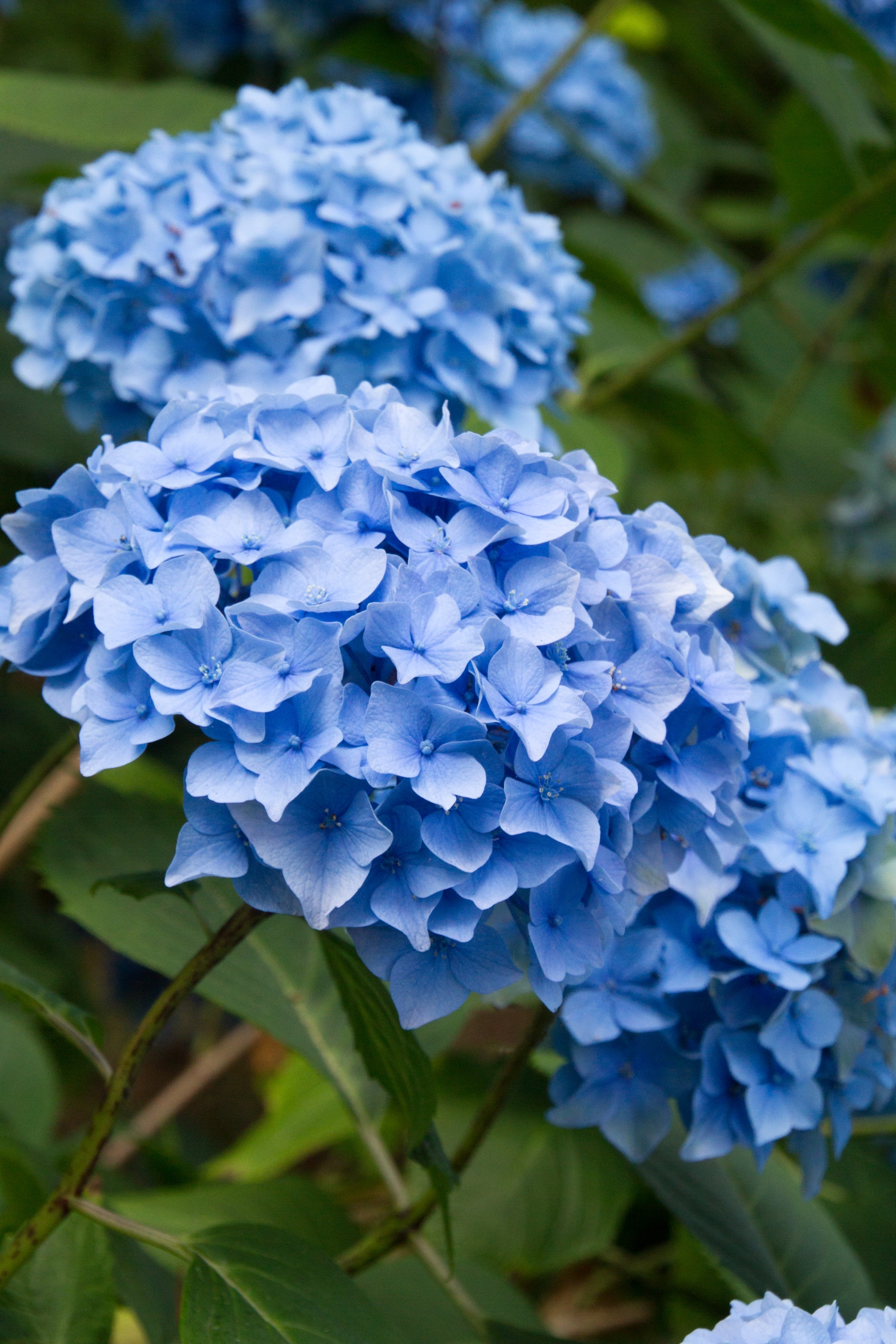
Description

HYDRANGEA MACROPHYLLA ‘NIKKO BLUE’
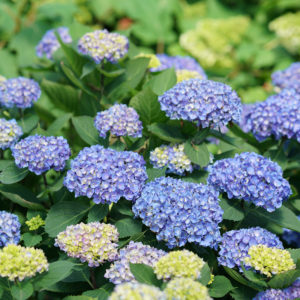
Here’s the honest truth about Nikko Blue Hydrangea: it’s not just another blue bloomer. This Japanese cultivar is a showstopper that thrives in Connecticut gardens, delivering those impossibly saturated cobalt flowers that make every visitor stop and ask, “How do you get your hydrangeas that blue?” The answer involves understanding your soil chemistry and your climate—and we’re here to walk you through both.
What it looks like
Nikko Blue is all about drama in mid to late summer. The flower heads are massive—we’re talking 6 to 8 inches across—and densely packed with those rich, jewel-tone blue florets that intensify as the season progresses. The foliage is a deep, glossy green that provides the perfect backdrop for the blooms. Mature plants develop a tidy, mounded habit that’s neither leggy nor overgrown, typically staying more compact than some of its cousins. The flower color does something interesting here in New England: it deepens and becomes more saturated as summer heat builds, sometimes shifting toward purplish-blue by late August.
Growing it in your garden
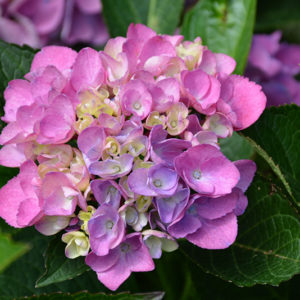
Nikko Blue wants three things to be happy in Connecticut: acidic soil, consistent moisture, and afternoon shade. The blue color you’re after depends entirely on soil pH. In acidic soil (below 6.0), you’ll get that stunning blue. If your soil leans neutral or alkaline, flowers will skew toward pink or purple. Connecticut’s naturally acidic soils in many areas work beautifully for this, but we recommend a soil test before planting. If you need to adjust, sulfur lowers pH gradually, while lime raises it. This is a big-leaf hydrangea, meaning it flowers on old wood—so be mindful of timing when you prune.
Through the seasons
Spring arrives with emerging chartreuse foliage that gradually deepens to that rich green by early summer. By late June, flower buds begin to form, and by July, you’re in full bloom mode. The blue flowers persist through August and into early September, gradually fading to soft mauve tones as temperatures cool—which some gardeners actually love for late-season interest. In autumn, foliage takes on subtle bronze undertones. Hardy through Zone 5 and into the colder parts of Zone 4 in protected locations, Nikko Blue handles Connecticut winters well, though late spring frosts can sometimes nip emerging growth. Winter reveals the attractive brown woody stems.
Where it shines
Nikko Blue is perfect for mixed borders where it can anchor a planting scheme, or as a standalone specimen where it gets afternoon shade and morning sun. It’s excellent in foundation plantings—the mounded habit and reliable blooming make it a workhorse shrub. Use it near seating areas where you can enjoy the flowers up close. It looks spectacular when underplanted with shade-tolerant perennials like hostas, hellebores, or brunnera. In smaller Connecticut gardens, this cultivar’s compact size makes it more practical than some of the larger hydrangea varieties.
Perfect companions
Plant Nikko Blue with other acid-loving plants that share its moisture preferences: rhododendrons, azaleas, KALMIA LATIFOLIA, and PIERIS. In shade situations, pair it with Japanese painted ferns for delicate texture contrast, or hostas for bold foliage. Ornamental grasses like HAKONECHLOA work beautifully at the base. In early summer, combine it with shade-tolerant perennials like astilbe or tiarella, which will draw attention before the hydrangea takes over in July. Later bloomers like liriope extend the season’s interest as the hydrangea flowers fade.
Care tips
Water deeply and regularly during the growing season, aiming for consistent moisture without waterlogging. A 2 to 3-inch mulch layer (keeping it pulled back from the stem) helps retain moisture and keeps roots cool during hot New England summers. Feed in early spring with an acidifying fertilizer formulated for hydrangeas or azaleas. Prune immediately after flowering (late August or September) to remove dead wood and shape the plant—this is crucial since HYDRANGEA MACROPHYLLA flowers on old wood, unlike panicle hydrangeas. In northern Connecticut, consider a burlap wrap in harsh winters to protect emerging buds from late frosts. Deadheading spent flowers isn’t necessary for plant health, but you can do it for aesthetics.
Quick facts
- Hardiness Zone: 5 (4 with protection)
- Mature Height & Spread: 4-5 feet tall and wide
- Bloom Season: July through September
- Light Requirements: Morning sun, afternoon shade
- Water Needs: Consistently moist, well-draining soil
- Available at: Both our retail and wholesale locations