Pinky Winky

HYDRANGEA PANICULATA ‘PINKY WINKY’

If you’ve been searching for a panicle hydrangea that actually delivers on the promise of those gorgeous pink flowers you’ve been dreaming about, Pinky Winky is your answer. This spectacular cultivar doesn’t just hint at color—it commits to it fully, transforming from ivory to rose to deep magenta as the season progresses. It’s like having three different plants in one, and Connecticut gardeners absolutely love it for that extended performance.

What it looks like

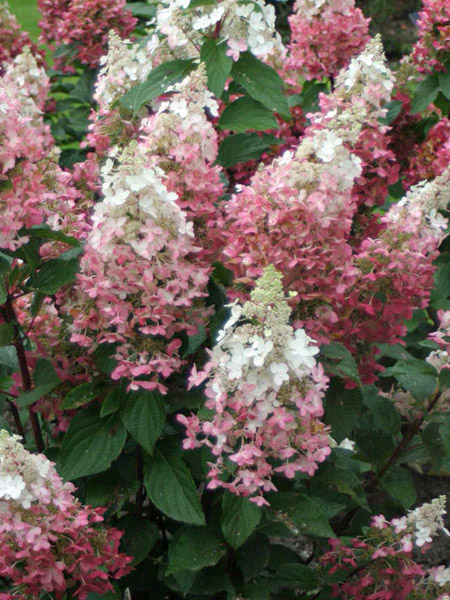
Pinky Winky is a stunner, plain and simple. The plant grows into a naturally rounded, multi-stemmed shrub with clean, dark green foliage that provides the perfect backdrop for those iconic cone-shaped flower clusters. When those panicles first emerge in mid-summer, they’re creamy white—fresh and clean-looking. But here’s where the magic happens: as weeks pass, the flowers gradually blush pink from the bottom up, creating this incredible two-tone effect where the base of the panicle glows rose-pink while the tips remain white. By fall, if you’re lucky enough to have cooler nights and a bit of stress in the plant, the entire flower darkens to a deep dusty mauve. The color shift is so dramatic that visitors inevitably ask if you’ve actually done something to the plant. The answer is always no—it’s just Pinky Winky being its gorgeous self.

Growing it in your garden

Panicle hydrangeas are the easygoing members of the hydrangea family, and Pinky Winky is no exception. Unlike its fussier bigleaf cousins (HYDRANGEA MACROPHYLLA), this plant doesn’t care much about soil pH, won’t sulk in New England’s variable moisture conditions, and actually gets stronger with proper pruning. Plant it in full sun to light shade—six hours of direct sunlight is your sweet spot for the best color development and strongest stems. You’ll want well-draining soil, but Pinky Winky is remarkably forgiving about the specifics. Spring planting gives the roots all season to establish before winter arrives, and it’ll be winter-hardy well throughout Connecticut and New England.

Through the seasons

Spring brings fresh green growth, and you might be tempted to leave last year’s dried flowers on the plant because they look so architectural—and honestly, that’s a lovely choice if you want winter interest. But if you want maximum blooms and vigor, cut those old stems back in early spring when you see new growth buds swelling. Summer is when Pinky Winky truly shines, with flowers appearing reliably from mid-June through September. Fall is the grand finale—not only do the flowers deepen in color, but the foliage might take on subtle warm tones. In winter, the dried panicles persist beautifully if you haven’t cut them back, adding texture to the dormant garden.

Where it shines

This is a plant that works in almost every garden situation. Use it as a focal point in a mixed border, plant it in rows for a dramatic flowering hedge, tuck it into a shrub foundation planting, or feature it in a cutting garden—yes, those flowers are exceptional for arrangements, fresh or dried. Because it blooms on new wood, you can prune it to shape without sacrificing flowers, which means you can keep it compact in small spaces or let it grow naturally in larger landscapes. It’s equally happy in urban gardens, suburban yards, and country landscapes. The extended bloom season makes it a pollinator magnet throughout summer and fall, so it’s an excellent choice if you’re trying to support bees and butterflies through late season.

Perfect companions

Pair Pinky Winky with burgundy-leaved plants like HEUCHERA ‘Palace Purple’ to make those pink flowers pop. White-flowering companions like BUDDLEJA ‘White Profusion’ or PHLOX paniculata in white create a sophisticated contrast. Late-blooming purple coneflowers (ECHINACEA purpurea) extend the color story into fall, and ornamental grasses like MISCANTHUS ‘Autumn Light’ add movement and extend the seasonal interest. For something bold, try a golden spiraea like SPIRAEA japonica ‘Goldflame’ to create warm-colored contrast.

Care tips

Prune in early spring while still dormant, removing dead wood and shaping as desired—you can cut Pinky Winky back quite hard without fear. Water regularly during the first growing season to establish deep roots; once established, it’s quite drought-tolerant but flowers more profusely with consistent moisture during bloom time. Deadheading spent flowers encourages continued blooming, but if you want fall color to deepen, stop deadheading in late August. A balanced fertilizer in spring is all you need—too much nitrogen produces lots of leaves but fewer flowers. In Connecticut’s humid climate, ensure good air circulation to prevent powdery mildew, though this variety has solid resistance.

Quick facts

  • Hardiness Zone: 3-8 (hardy throughout Connecticut and New England)
  • Mature Height & Spread: 4-5 feet tall and wide
  • Bloom Season: Mid-June through September
  • Light Requirements: Full sun to light shade (6+ hours of sun for best color)
  • Water Needs: Moderate; prefers consistent moisture during growing season
  • Available at: Both our retail and wholesale locations
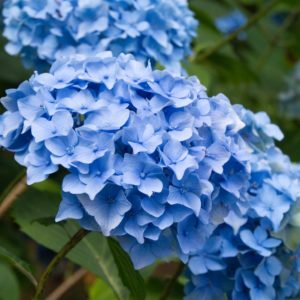
Pinky Winky

Category:

Flowers white bloom darkening to pink. Bloom mid Summer to frost.

Zoning: 3
Pot Size (gallons), Height: #3 #7 4-5’, 5-6’

Description

Pinky Winky

HYDRANGEA PANICULATA ‘PINKY WINKY’

If you’ve been searching for a panicle hydrangea that actually delivers on the promise of those gorgeous pink flowers you’ve been dreaming about, Pinky Winky is your answer. This spectacular cultivar doesn’t just hint at color—it commits to it fully, transforming from ivory to rose to deep magenta as the season progresses. It’s like having three different plants in one, and Connecticut gardeners absolutely love it for that extended performance.

What it looks like

Pinky Winky is a stunner, plain and simple. The plant grows into a naturally rounded, multi-stemmed shrub with clean, dark green foliage that provides the perfect backdrop for those iconic cone-shaped flower clusters. When those panicles first emerge in mid-summer, they’re creamy white—fresh and clean-looking. But here’s where the magic happens: as weeks pass, the flowers gradually blush pink from the bottom up, creating this incredible two-tone effect where the base of the panicle glows rose-pink while the tips remain white. By fall, if you’re lucky enough to have cooler nights and a bit of stress in the plant, the entire flower darkens to a deep dusty mauve. The color shift is so dramatic that visitors inevitably ask if you’ve actually done something to the plant. The answer is always no—it’s just Pinky Winky being its gorgeous self.

Growing it in your garden

Panicle hydrangeas are the easygoing members of the hydrangea family, and Pinky Winky is no exception. Unlike its fussier bigleaf cousins (HYDRANGEA MACROPHYLLA), this plant doesn’t care much about soil pH, won’t sulk in New England’s variable moisture conditions, and actually gets stronger with proper pruning. Plant it in full sun to light shade—six hours of direct sunlight is your sweet spot for the best color development and strongest stems. You’ll want well-draining soil, but Pinky Winky is remarkably forgiving about the specifics. Spring planting gives the roots all season to establish before winter arrives, and it’ll be winter-hardy well throughout Connecticut and New England.

Through the seasons

Spring brings fresh green growth, and you might be tempted to leave last year’s dried flowers on the plant because they look so architectural—and honestly, that’s a lovely choice if you want winter interest. But if you want maximum blooms and vigor, cut those old stems back in early spring when you see new growth buds swelling. Summer is when Pinky Winky truly shines, with flowers appearing reliably from mid-June through September. Fall is the grand finale—not only do the flowers deepen in color, but the foliage might take on subtle warm tones. In winter, the dried panicles persist beautifully if you haven’t cut them back, adding texture to the dormant garden.

Where it shines

This is a plant that works in almost every garden situation. Use it as a focal point in a mixed border, plant it in rows for a dramatic flowering hedge, tuck it into a shrub foundation planting, or feature it in a cutting garden—yes, those flowers are exceptional for arrangements, fresh or dried. Because it blooms on new wood, you can prune it to shape without sacrificing flowers, which means you can keep it compact in small spaces or let it grow naturally in larger landscapes. It’s equally happy in urban gardens, suburban yards, and country landscapes. The extended bloom season makes it a pollinator magnet throughout summer and fall, so it’s an excellent choice if you’re trying to support bees and butterflies through late season.

Perfect companions

Pair Pinky Winky with burgundy-leaved plants like HEUCHERA ‘Palace Purple’ to make those pink flowers pop. White-flowering companions like BUDDLEJA ‘White Profusion’ or PHLOX paniculata in white create a sophisticated contrast. Late-blooming purple coneflowers (ECHINACEA purpurea) extend the color story into fall, and ornamental grasses like MISCANTHUS ‘Autumn Light’ add movement and extend the seasonal interest. For something bold, try a golden spiraea like SPIRAEA japonica ‘Goldflame’ to create warm-colored contrast.

Care tips

Prune in early spring while still dormant, removing dead wood and shaping as desired—you can cut Pinky Winky back quite hard without fear. Water regularly during the first growing season to establish deep roots; once established, it’s quite drought-tolerant but flowers more profusely with consistent moisture during bloom time. Deadheading spent flowers encourages continued blooming, but if you want fall color to deepen, stop deadheading in late August. A balanced fertilizer in spring is all you need—too much nitrogen produces lots of leaves but fewer flowers. In Connecticut’s humid climate, ensure good air circulation to prevent powdery mildew, though this variety has solid resistance.

Quick facts

  • Hardiness Zone: 3-8 (hardy throughout Connecticut and New England)
  • Mature Height & Spread: 4-5 feet tall and wide
  • Bloom Season: Mid-June through September
  • Light Requirements: Full sun to light shade (6+ hours of sun for best color)
  • Water Needs: Moderate; prefers consistent moisture during growing season
  • Available at: Both our retail and wholesale locations