Armstrong Red Maple

ACER RUBRUM ‘ARMSTRONG’

The Armstrong Red Maple is Connecticut’s answer to the gardener who wants all the autumn glory without the sprawl. Picture this: a tree that reaches for the sky in a neat, columnar form, dressed in crimson foliage each fall, and somehow manages to thrive in the wet spots where other trees throw in the towel. If you’ve driven past wet woodlands in October and watched the native red maples steal the show, you understand why this cultivar has become such a beloved fixture in New England gardens and streetscapes.

What it looks like

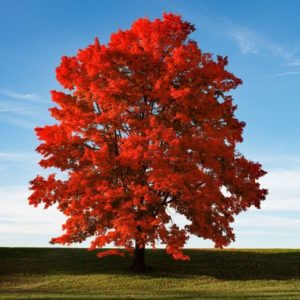
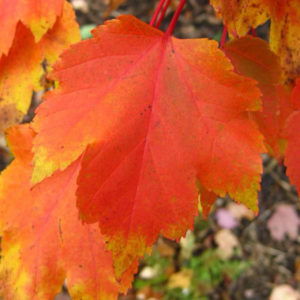
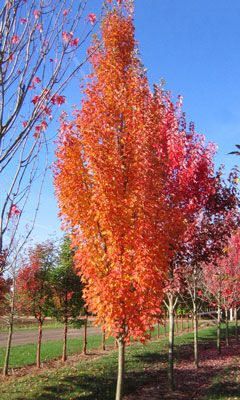
Armstrong Red Maple grows with an upright, vase-like silhouette that feels both architectural and graceful. Unlike its parent species, which can sprawl and become gangly, ‘Armstrong’ maintains a tight, disciplined form—typically reaching 40 to 50 feet tall but just 15 to 20 feet wide at maturity. The new spring growth emerges in shades of red and bronze, a subtle preview of the showstopper to come. Summer brings deep green foliage that’s finely textured and elegant. But autumn? That’s when this tree truly earns its place in your landscape. The leaves transform into shades of brilliant red, orange, and sometimes golden tones, creating the kind of display that makes your neighbors stop their cars.

Growing it in your garden

Here’s what makes Armstrong Red Maple such a reliable choice for Connecticut gardeners: it’s remarkably flexible about growing conditions. While it prefers slightly acidic soil, it tolerates the alkaline soils that confound many other maples. It genuinely thrives in wet to moist conditions—those boggy spots, the low-lying areas where water collects after a spring thaw, the areas alongside a rain garden or near a downspout—all welcome territory for this adaptable tree. That said, it’s equally at home in average, well-drained soil, making it one of the most accommodating trees you can plant. Its columnar form makes it ideal for narrow spaces where you’d typically resort to a standard shade tree but lack the width. It’s perfect for small yards, tight streetside plantings, or anywhere you need vertical drama without horizontal sprawl.

Through the seasons

Spring arrives early with Armstrong Red Maple, often providing subtle hints of warmth through that reddish new growth. The small flowers—deep red and somewhat inconspicuous—appear before the leaves fully unfurl, a detail that reveals the tree’s elegant nature. Summer is refreshingly maintenance-free; the dense foliage provides reliable shade and requires no special attention. Fall is undeniably the main event: watch the transformation unfold over several weeks, with color deepening and intensifying as temperatures cool. Winter shows off the tree’s architectural structure beautifully, with branches reaching upward in that characteristic vase form—especially striking when outlined by snow or the low angle of winter sun.

Where it shines

Armstrong Red Maple earns its stripes as a street tree and landscape specimen throughout Connecticut and the broader New England region. Plant it where you need height without width: alongside a property line, framing an entrance, or as a focal point in a small to medium-sized garden. Its tolerance for wet soils makes it ideal for rain gardens, bioswales, or naturally damp areas near wetlands or seasonal streams. Because it handles both wet and dry conditions with grace, it’s equally at home in a downtown streetscape as it is in a residential garden. The upright form also makes it excellent for creating vertical interest and screening—use a group of three or more for a living privacy screen that’s both functional and beautiful.

Perfect companions

Plant Armstrong Red Maple with understory trees and shrubs that appreciate the dappled shade it provides. Serviceberry, native azaleas, oakleaf hydrangea, and mountain laurel are natural companions. Ferns and hostas create a lush foundation planting, while spring-blooming ephemerals like trillium and Virginia bluebells shine beneath its canopy. For a striking contrast, pair it with silver-foliaged shrubs like Russian olive or the fine texture of river birch nearby.

Care tips

Armstrong Red Maple is notably low-maintenance once established. Water regularly during the first two growing seasons to encourage deep rooting, but resist the urge to fertilize unless soil testing indicates a genuine deficiency. Pruning is rarely needed thanks to its naturally tidy habit—simply remove any crossing or damaged branches. Watch for spider mites in dry periods or scale insects, though both are uncommon. Like all maples, it prefers not to be planted deeper than it grew in its nursery container; even a few inches of extra soil can stress the tree over time. In Connecticut’s sometimes variable springs, late-season frost occasionally damages new growth, but the tree quickly recovers and produces replacement foliage.

Quick facts

  • Hardiness Zone: 3–9
  • Mature Height & Spread: 40–50 feet tall × 15–20 feet wide
  • Bloom Season: Early spring (red flowers before leaves)
  • Light Requirements: Full sun to part shade (best autumn color in full sun)
  • Water Needs: Adaptable; tolerates wet to average soil
  • Available at: Both our retail and wholesale locations
Armstrong Red Maple

Category:

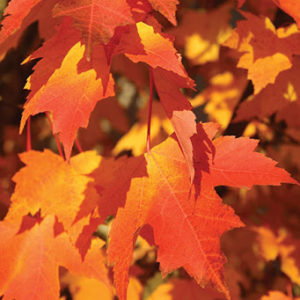
Armstrong’ Red Maple is a fast-growing, upright tree, reaching a height of 50 to 60 feet with a 15 to 25 foot spread, and has very attractive silver-grey bark

Trunk Diameter: 2-2.5″

Description

Armstrong Red Maple

ACER RUBRUM ‘ARMSTRONG’

The Armstrong Red Maple is Connecticut’s answer to the gardener who wants all the autumn glory without the sprawl. Picture this: a tree that reaches for the sky in a neat, columnar form, dressed in crimson foliage each fall, and somehow manages to thrive in the wet spots where other trees throw in the towel. If you’ve driven past wet woodlands in October and watched the native red maples steal the show, you understand why this cultivar has become such a beloved fixture in New England gardens and streetscapes.

What it looks like

Armstrong Red Maple grows with an upright, vase-like silhouette that feels both architectural and graceful. Unlike its parent species, which can sprawl and become gangly, ‘Armstrong’ maintains a tight, disciplined form—typically reaching 40 to 50 feet tall but just 15 to 20 feet wide at maturity. The new spring growth emerges in shades of red and bronze, a subtle preview of the showstopper to come. Summer brings deep green foliage that’s finely textured and elegant. But autumn? That’s when this tree truly earns its place in your landscape. The leaves transform into shades of brilliant red, orange, and sometimes golden tones, creating the kind of display that makes your neighbors stop their cars.

Growing it in your garden

Here’s what makes Armstrong Red Maple such a reliable choice for Connecticut gardeners: it’s remarkably flexible about growing conditions. While it prefers slightly acidic soil, it tolerates the alkaline soils that confound many other maples. It genuinely thrives in wet to moist conditions—those boggy spots, the low-lying areas where water collects after a spring thaw, the areas alongside a rain garden or near a downspout—all welcome territory for this adaptable tree. That said, it’s equally at home in average, well-drained soil, making it one of the most accommodating trees you can plant. Its columnar form makes it ideal for narrow spaces where you’d typically resort to a standard shade tree but lack the width. It’s perfect for small yards, tight streetside plantings, or anywhere you need vertical drama without horizontal sprawl.

Through the seasons

Spring arrives early with Armstrong Red Maple, often providing subtle hints of warmth through that reddish new growth. The small flowers—deep red and somewhat inconspicuous—appear before the leaves fully unfurl, a detail that reveals the tree’s elegant nature. Summer is refreshingly maintenance-free; the dense foliage provides reliable shade and requires no special attention. Fall is undeniably the main event: watch the transformation unfold over several weeks, with color deepening and intensifying as temperatures cool. Winter shows off the tree’s architectural structure beautifully, with branches reaching upward in that characteristic vase form—especially striking when outlined by snow or the low angle of winter sun.

Where it shines

Armstrong Red Maple earns its stripes as a street tree and landscape specimen throughout Connecticut and the broader New England region. Plant it where you need height without width: alongside a property line, framing an entrance, or as a focal point in a small to medium-sized garden. Its tolerance for wet soils makes it ideal for rain gardens, bioswales, or naturally damp areas near wetlands or seasonal streams. Because it handles both wet and dry conditions with grace, it’s equally at home in a downtown streetscape as it is in a residential garden. The upright form also makes it excellent for creating vertical interest and screening—use a group of three or more for a living privacy screen that’s both functional and beautiful.

Perfect companions

Plant Armstrong Red Maple with understory trees and shrubs that appreciate the dappled shade it provides. Serviceberry, native azaleas, oakleaf hydrangea, and mountain laurel are natural companions. Ferns and hostas create a lush foundation planting, while spring-blooming ephemerals like trillium and Virginia bluebells shine beneath its canopy. For a striking contrast, pair it with silver-foliaged shrubs like Russian olive or the fine texture of river birch nearby.

Care tips

Armstrong Red Maple is notably low-maintenance once established. Water regularly during the first two growing seasons to encourage deep rooting, but resist the urge to fertilize unless soil testing indicates a genuine deficiency. Pruning is rarely needed thanks to its naturally tidy habit—simply remove any crossing or damaged branches. Watch for spider mites in dry periods or scale insects, though both are uncommon. Like all maples, it prefers not to be planted deeper than it grew in its nursery container; even a few inches of extra soil can stress the tree over time. In Connecticut’s sometimes variable springs, late-season frost occasionally damages new growth, but the tree quickly recovers and produces replacement foliage.

Quick facts

  • Hardiness Zone: 3–9
  • Mature Height & Spread: 40–50 feet tall × 15–20 feet wide
  • Bloom Season: Early spring (red flowers before leaves)
  • Light Requirements: Full sun to part shade (best autumn color in full sun)
  • Water Needs: Adaptable; tolerates wet to average soil
  • Available at: Both our retail and wholesale locations