ACER PALMATUM ‘MOON FIRE’

If you’ve been dreaming of a Japanese maple that brings drama to your Connecticut garden without demanding constant fussing, Moon Fire might just be the answer you’ve been waiting for. This stunner earned its name honestly—its foliage ignites in shades of orange-red that seem to glow in both spring sunlight and autumn’s golden hour. What makes it special isn’t just the color, though. It’s the reliability, the structure, the way it becomes a four-season focal point that makes neighbors stop and stare.

What it looks like

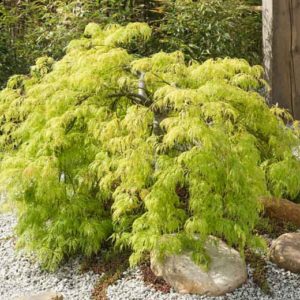
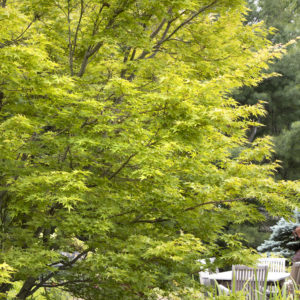
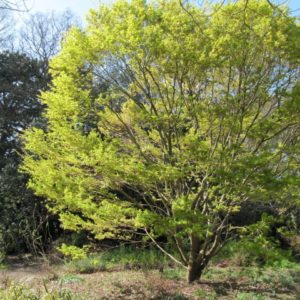
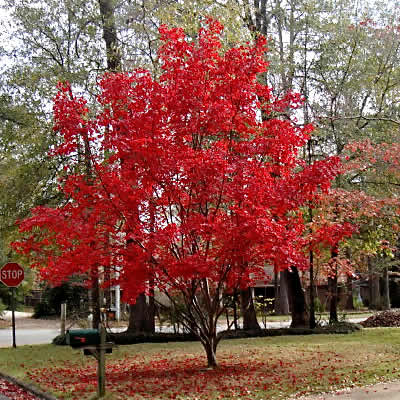
Moon Fire is a compact Japanese maple with a naturally vase-shaped habit that rarely needs heavy pruning to look good. Its palmate leaves emerge in brilliant orange-red in spring—a color so vibrant it almost seems unreal. As summer progresses, the foliage deepens to a rich burgundy-red, maintaining that fire-engine intensity even when other maples fade to green. The fine, delicate texture of those deeply lobed leaves creates an elegant, almost lacy appearance that catches the eye from every angle. Come autumn, the color show intensifies one last time before the leaves drop, revealing an attractive structure of graceful branching that provides winter interest.

Growing it in your garden

Japanese maples have a reputation for being finicky, but Moon Fire is different—it’s genuinely more forgiving than many of its cousins. The key to success in Connecticut is finding the sweet spot: dappled shade that protects it from scorching afternoon sun, especially during our hot, humid summers. Morning sun is fine; it’s the relentless 3 p.m. to 6 p.m. western exposure that can stress the tree. Well-draining soil is essential, particularly because our New England springs can be wet. If you’re working with clay, amend generously with compost or peat moss to improve drainage and reduce the risk of root rot. Moon Fire actually prefers slightly acidic conditions, which most Connecticut soils naturally provide—another point in your favor.

Through the seasons

Spring is when Moon Fire announces itself. Those fresh orange-red leaves unfurl in May, creating an almost neon contrast against the rest of your garden. By June, it’s settled into its burgundy-red summer dress, a color so dark it reads almost like maroon when backlit. Fall arrives without fanfare; the tree simply glows warmer and more intense as daylight shortens. Winter reveals the skeleton of the plant—graceful, architectural branching that looks especially lovely when backlit by low winter sun or dusted with snow. If you’ve placed it where you can see it from a window on gray February mornings, you’ll appreciate having a living sculpture to admire.

Where it shines

Moon Fire belongs in a spot where you can actually enjoy it. A woodland garden understory is perfect—nestled among shade trees, its glowing foliage creates a jewel-like effect. It’s equally stunning as a specimen tree in a foundation planting, especially where evening light can shine through its leaves. Mixed borders love Japanese maples; the delicate texture plays beautifully against bolder-leafed companions. It also works wonderfully in containers, which gives you flexibility if you’re still figuring out your garden’s layout or if you need to move it seasonally to optimize light. Many gardeners in Connecticut find that a protected spot near a north-facing wall or under high tree canopy keeps Moon Fire looking its best year-round.

Perfect companions

Pair Moon Fire with shade-loving hostas—the big blue-green leaves create a stunning contrast with those fine, red-toned maple leaves. Add Japanese forest grass (HAKONECHLOA MACRA) at the base for movement and texture. Hellebores bloom early in the season and don’t compete for attention; ferns bring cooling greenery and fern-like foliage that echoes the maple’s delicate leaves. In shade gardens, astilbe provides feathery plumes in pink or white, while small rhododendrons and azaleas integrate beautifully. Even simple shade perennials like ajuga or hardy cyclamen enhance rather than detract from Moon Fire’s starring role.

Care tips

Water regularly during the first two years, keeping the soil consistently moist but never waterlogged. Once established, Moon Fire is quite drought-tolerant, though it appreciates supplemental watering during Connecticut’s occasional dry spells. Apply 2-3 inches of mulch around the base in spring, keeping it a few inches away from the trunk. Prune lightly in winter if needed—remove crossing branches or anything damaged by ice. Japanese maples have elegant natural forms; resist the urge to over-prune. In spring, a balanced fertilizer isn’t necessary if your soil is decent, but a light application of compost works wonderfully. Watch for scale insects or spider mites in dry years, though Moon Fire is generally pest-resistant.

Quick facts

  • Hardiness Zone: 5-8 (thrives in Connecticut)
  • Mature Height & Spread: 15-20 feet tall, 12-15 feet wide
  • Bloom Season: Spring foliage display (flowers are inconspicuous)
  • Light Requirements: Dappled shade to part shade
  • Water Needs: Moderate; prefers consistently moist, well-draining soil
  • Available at: Both our retail and wholesale locations
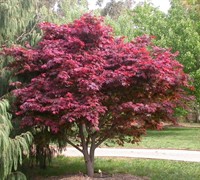
Moon Fire Japanese Maple

Category:

Moonfire Japanese Maple has attractive burgundy foliage throughout the season. The lobed palmate leaves are highly ornamental and turn an outstanding red in the fall

Pot Size (gallons), Height: Specimen

Description

ACER PALMATUM ‘MOON FIRE’

If you’ve been dreaming of a Japanese maple that brings drama to your Connecticut garden without demanding constant fussing, Moon Fire might just be the answer you’ve been waiting for. This stunner earned its name honestly—its foliage ignites in shades of orange-red that seem to glow in both spring sunlight and autumn’s golden hour. What makes it special isn’t just the color, though. It’s the reliability, the structure, the way it becomes a four-season focal point that makes neighbors stop and stare.

What it looks like

Moon Fire is a compact Japanese maple with a naturally vase-shaped habit that rarely needs heavy pruning to look good. Its palmate leaves emerge in brilliant orange-red in spring—a color so vibrant it almost seems unreal. As summer progresses, the foliage deepens to a rich burgundy-red, maintaining that fire-engine intensity even when other maples fade to green. The fine, delicate texture of those deeply lobed leaves creates an elegant, almost lacy appearance that catches the eye from every angle. Come autumn, the color show intensifies one last time before the leaves drop, revealing an attractive structure of graceful branching that provides winter interest.

Growing it in your garden

Japanese maples have a reputation for being finicky, but Moon Fire is different—it’s genuinely more forgiving than many of its cousins. The key to success in Connecticut is finding the sweet spot: dappled shade that protects it from scorching afternoon sun, especially during our hot, humid summers. Morning sun is fine; it’s the relentless 3 p.m. to 6 p.m. western exposure that can stress the tree. Well-draining soil is essential, particularly because our New England springs can be wet. If you’re working with clay, amend generously with compost or peat moss to improve drainage and reduce the risk of root rot. Moon Fire actually prefers slightly acidic conditions, which most Connecticut soils naturally provide—another point in your favor.

Through the seasons

Spring is when Moon Fire announces itself. Those fresh orange-red leaves unfurl in May, creating an almost neon contrast against the rest of your garden. By June, it’s settled into its burgundy-red summer dress, a color so dark it reads almost like maroon when backlit. Fall arrives without fanfare; the tree simply glows warmer and more intense as daylight shortens. Winter reveals the skeleton of the plant—graceful, architectural branching that looks especially lovely when backlit by low winter sun or dusted with snow. If you’ve placed it where you can see it from a window on gray February mornings, you’ll appreciate having a living sculpture to admire.

Where it shines

Moon Fire belongs in a spot where you can actually enjoy it. A woodland garden understory is perfect—nestled among shade trees, its glowing foliage creates a jewel-like effect. It’s equally stunning as a specimen tree in a foundation planting, especially where evening light can shine through its leaves. Mixed borders love Japanese maples; the delicate texture plays beautifully against bolder-leafed companions. It also works wonderfully in containers, which gives you flexibility if you’re still figuring out your garden’s layout or if you need to move it seasonally to optimize light. Many gardeners in Connecticut find that a protected spot near a north-facing wall or under high tree canopy keeps Moon Fire looking its best year-round.

Perfect companions

Pair Moon Fire with shade-loving hostas—the big blue-green leaves create a stunning contrast with those fine, red-toned maple leaves. Add Japanese forest grass (HAKONECHLOA MACRA) at the base for movement and texture. Hellebores bloom early in the season and don’t compete for attention; ferns bring cooling greenery and fern-like foliage that echoes the maple’s delicate leaves. In shade gardens, astilbe provides feathery plumes in pink or white, while small rhododendrons and azaleas integrate beautifully. Even simple shade perennials like ajuga or hardy cyclamen enhance rather than detract from Moon Fire’s starring role.

Care tips

Water regularly during the first two years, keeping the soil consistently moist but never waterlogged. Once established, Moon Fire is quite drought-tolerant, though it appreciates supplemental watering during Connecticut’s occasional dry spells. Apply 2-3 inches of mulch around the base in spring, keeping it a few inches away from the trunk. Prune lightly in winter if needed—remove crossing branches or anything damaged by ice. Japanese maples have elegant natural forms; resist the urge to over-prune. In spring, a balanced fertilizer isn’t necessary if your soil is decent, but a light application of compost works wonderfully. Watch for scale insects or spider mites in dry years, though Moon Fire is generally pest-resistant.

Quick facts

  • Hardiness Zone: 5-8 (thrives in Connecticut)
  • Mature Height & Spread: 15-20 feet tall, 12-15 feet wide
  • Bloom Season: Spring foliage display (flowers are inconspicuous)
  • Light Requirements: Dappled shade to part shade
  • Water Needs: Moderate; prefers consistently moist, well-draining soil
  • Available at: Both our retail and wholesale locations